Ancient Mythology: Shaping Culture, Thought, and Modern Life
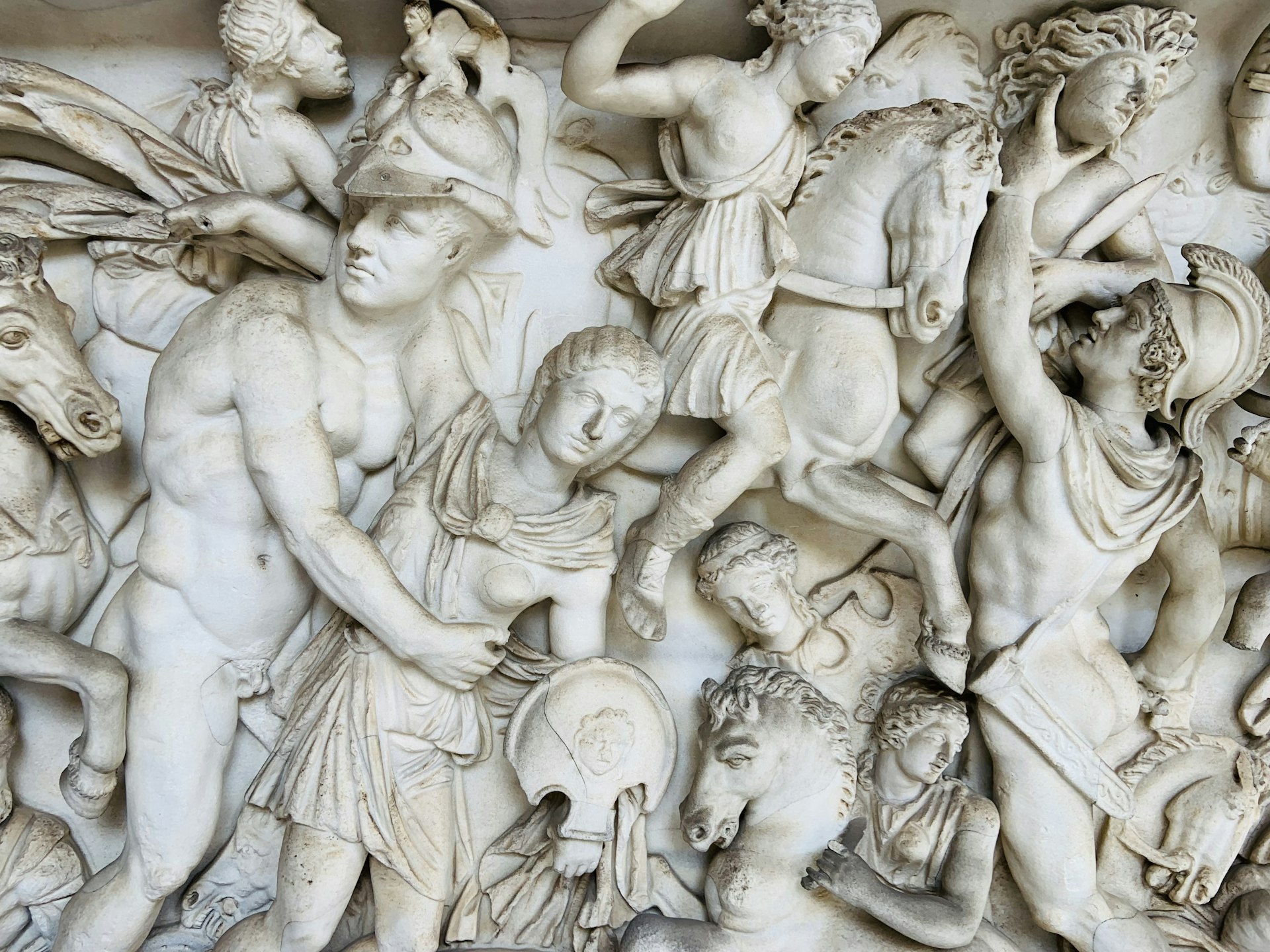

Photo by Aybil Goker on Unsplash
Introduction: The Enduring Power of Ancient Mythology
Ancient mythology is far more than a collection of old stories; it is a living force that continues to shape culture, creativity, and identity in the modern world. From literature and art to moral values and community traditions, mythological themes provide foundational patterns that help us interpret, celebrate, and navigate the complexities of life. This article explores the multifaceted role mythology plays in culture, offers practical guidance on engaging with mythological traditions, and provides actionable strategies for leveraging mythic insights in personal and professional development.
How Mythology Shapes Cultural Identity
Myths are deeply embedded in the fabric of societies, serving as powerful tools for transmitting values, beliefs, and collective memory. According to experts, ancient myths give us clues about how people understood their world, their ideals, and their moral frameworks. These stories function much like physical artifacts-offering touchstones for shared history and meaning [2] . Even today, references to myth are found in language, art, literature, and even popular brand names and sports teams.
For example, the mythological figure of Apollo has inspired everything from NASA missions to musical compositions, while the tale of Prometheus remains a cautionary narrative about innovation and hubris. Modern Greece continues to embrace its mythological heritage, with festivals and ceremonies such as the Panathenaic Games echoing the spirit of ancient celebrations [4] .
Mythology as a Source of Creativity and Storytelling
Ancient myths provide the blueprint for countless works of literature, film, and art. Their familiar patterns-heroic journeys, moral dilemmas, transformations-are continually reimagined to address contemporary themes. Modern authors and creators frequently adapt mythological stories to new contexts, ensuring their relevance for new generations. Notable examples include Madeline Miller’s “The Song of Achilles,” Pat Barker’s “The Silence of The Girls,” and Rick Riordan’s “Percy Jackson” series, all of which retell classic myths through fresh perspectives [2] .
Comic book franchises like Marvel’s “Thor” and DC’s “Wonder Woman” incorporate mythological figures directly into their narratives, transforming gods and heroes into modern icons. Even the “Harry Potter” series uses mythic references in character names and story arcs, connecting readers to ancient traditions. These adaptations foster a sense of continuity and shared cultural consciousness [1] .
Mythology and Personal Growth: Navigating Modern Challenges
Mythological narratives offer more than entertainment-they provide frameworks for understanding and addressing personal and societal challenges. Psychologists such as Freud and Jung have highlighted the therapeutic power of myths in helping people endure uncertainties and anxieties [3] . Mythic stories address timeless questions about identity, loss, transformation, and the human condition.

Photo by Alper Z on Unsplash
By learning to “think mythologically,” individuals can recognize archetypal patterns in their own lives-such as heroic quests, trials, or transformations-and use these insights for personal growth. For example:
- Self-Reflection: Consider which mythic archetypes resonate with your life story (e.g., the hero, the seeker, the sage) and explore their relevance to your current challenges.
- Community Engagement: Join local or online groups that celebrate mythological traditions, such as book clubs, reenactment societies, or cultural festivals. Many museums and cultural centers offer educational programs on mythology; searching for “mythology workshops” or “living history events” in your area can help you find opportunities to participate.
- Creative Expression: Use mythological themes in your writing, art, or performance projects. Retell a classic myth from a new perspective, or incorporate mythic motifs into visual or performing arts.
While practical services related to mythology (such as educational courses or community programs) may be available through universities, museums, and cultural organizations, you can typically find them by searching for “mythology courses,” “mythological studies,” or “cultural history programs” at established institutions. For academic research, consult university libraries or resources such as JSTOR for verified scholarly articles.
Challenges in Interpreting and Applying Mythology
Engaging with mythology can present several challenges, including historical context, cultural sensitivity, and relevance. Myths often reflect the social norms and beliefs of their time, which may differ from contemporary values. It is important to approach mythological material thoughtfully, recognizing both its power and its limitations. When retelling myths or incorporating them into modern projects, consider consulting reputable sources and seeking perspectives from diverse communities to ensure respectful representation.
Alternative approaches include focusing on universal themes (such as heroism, transformation, or justice) rather than specific cultural details, or using myths as allegories for modern problems such as environmental stewardship, leadership, or social justice.
Step-by-Step Guide: Engaging with Mythological Traditions
- Research foundational myths from your culture or other traditions using reputable sources. University departments of history, literature, or religious studies are excellent starting points. Searching for “comparative mythology” can yield broader perspectives.
- Participate in community events that celebrate mythological heritage, such as festivals, museum exhibits, or storytelling sessions. Local libraries and cultural centers often provide schedules of upcoming events.
- Study modern adaptations in books, film, and theater to observe how ancient myths are reinterpreted for contemporary audiences. Consider joining discussions or online forums dedicated to mythological themes.
- Create your own myth-inspired projects , such as short stories, visual art, or dramatic performances. Many educational platforms offer guidance on creative writing and artistic development; searching for “mythology in creative writing” may yield useful resources.
- Share your work and insights with others to foster dialogue about the relevance of myth in modern life.
Summary and Key Takeaways
Ancient mythology remains a vital force in modern culture, shaping our stories, values, and creative expression. Its enduring patterns help us understand both the past and present, offering tools for personal reflection, community building, and problem-solving. By engaging thoughtfully with mythological traditions-through research, participation, and creative adaptation-you can unlock new perspectives and enrich your experience of culture and identity.
References
- [1] James Madison University Honors Thesis (2019). Cross-cultural consciousness and modern myths.
- [2] Mountaineer News (2024). Greek Mythology surrounds today’s culture.
- [3] Bloomsbury Academic Blog (2022). How Greek mythology can help us navigate modern life.
- [4] Through Eternity Tours (2020). Greek Mythology and Its Influence On Modern-Day Greece.