Apartheid in South Africa: Origins, Impact, and the Path to Freedom
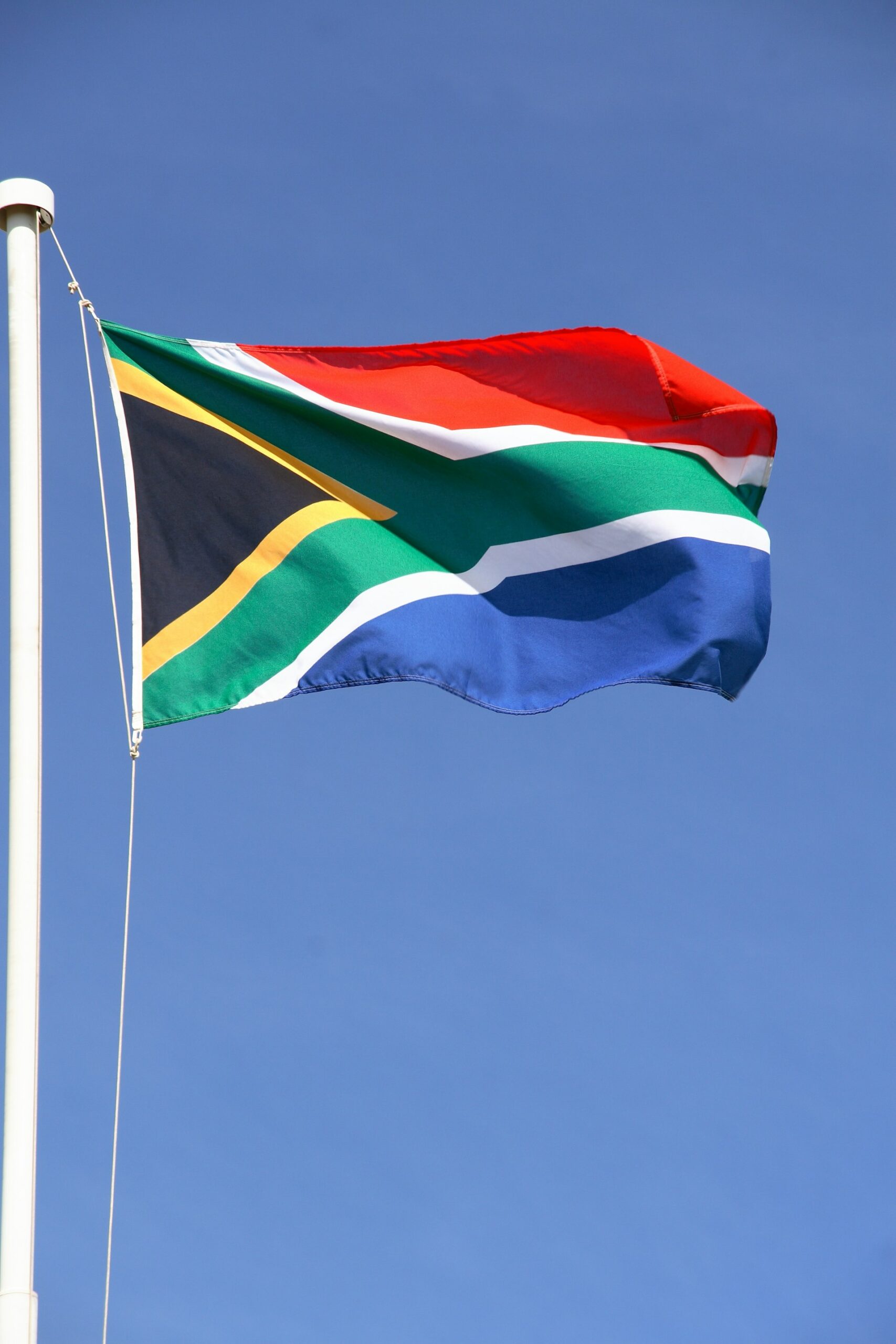

Photo by Shaun Meintjes on Unsplash
Introduction
Apartheid, meaning “apartness” in Afrikaans, was a system of institutionalized racial segregation and discrimination enforced by the South African government from 1948 to 1994. This system profoundly impacted the lives of millions, shaping the country’s social, economic, and political landscape for decades. Understanding the history of apartheid is essential for recognizing the causes and consequences of systemic racism, as well as the challenges faced in building a more just society.
Historical Background: Roots of Apartheid
The foundations of apartheid can be traced back to Dutch and British colonial rule in southern Africa. The Dutch East India Company established the first European settlement in Cape Town in 1652, seizing land from indigenous Africans and establishing a system of slavery. These early settlers, known as Boers or Afrikaners, developed their own language and culture, laying the groundwork for later racial divisions [1] . British control began in 1795, and their expansion led to further displacement and marginalization of African communities. Both colonial powers enacted laws that privileged whites and restricted the rights of nonwhite populations, setting a precedent for the later formalization of apartheid policies.
The Rise of the National Party and the Institutionalization of Apartheid
In 1948, the National Party (NP) won the general election and made apartheid the official policy of the South African government. The NP represented the interests of the white Afrikaans-speaking population and sought to entrench white supremacy through legal and social systems. The Population Registration Act of 1950 classified all South Africans by race-Black (Bantu), White, Coloured (mixed race), and later Asian (Indian and Pakistani)-determining virtually every aspect of personal and public life [2] .
Key apartheid laws included:

Photo by Mike Von on Unsplash
- Group Areas Act (1950): Segregated residential and business areas by race, resulting in forced removals of nonwhite communities from areas designated for whites.
- Prohibition of Mixed Marriages Act (1949): Banned marriages between people of different races.
- Pass Laws: Required nonwhites to carry documents authorizing their presence in restricted areas, severely limiting freedom of movement.
- Bantu Education Act (1953): Established racially separate educational facilities, offering inferior schooling to nonwhite populations.
By the mid-20th century, more than 80% of South Africa’s land was reserved for the white minority, and the vast majority of the nonwhite population was confined to underdeveloped “homelands” or Bantustans [2] .
Resistance and International Response
Opposition to apartheid came from a range of groups and individuals. The African National Congress (ANC) , founded in 1912, led many protests and campaigns against racial discrimination. Notable leaders such as Nelson Mandela and Albert Lutuli became symbols of the anti-apartheid struggle [3] . The 1952 Defiance Campaign and the 1955 Congress of the People, which adopted the Freedom Charter, were significant milestones. In 1960, police opened fire on peaceful protestors in the Sharpeville Massacre , killing 69 people-an event that drew worldwide condemnation [3] .
Internationally, the United Nations and many countries imposed economic sanctions and cultural boycotts on South Africa, increasing pressure for reform. By 1974, South Africa was expelled from the UN General Assembly [3] . Grassroots movements and solidarity campaigns, such as the global “Free Nelson Mandela” campaign, played a key role in mobilizing support for the anti-apartheid cause.
Major Events and Turning Points
The apartheid system was marked by a series of protests, uprisings, and violent crackdowns:
- 1960: Sharpeville Massacre galvanizes opposition and leads to the banning of liberation movements like the ANC and Pan Africanist Congress (PAC).
- 1976: The Soweto Uprising sees over 600 students killed during protests against the enforced use of Afrikaans in schools [3] .
- 1977: Anti-apartheid activist Steve Biko dies in police custody, becoming a martyr for the movement.
The government responded to resistance with states of emergency, mass detentions, and censorship. However, growing economic challenges and persistent activism made apartheid increasingly unsustainable.
The End of Apartheid and the Transition to Democracy
By the late 1980s, internal resistance and international isolation forced the South African government to reconsider its policies. President F.W. de Klerk initiated reforms, including the release of Nelson Mandela in 1990 and the unbanning of opposition parties. Negotiations led to the repeal of apartheid laws and the drafting of a new, inclusive constitution. In 1994, South Africa held its first nonracial democratic elections, resulting in Nelson Mandela’s election as president [2] . The official end of apartheid marked a new chapter, but the country continues to grapple with its legacy.
Accessing Reliable Historical and Educational Resources
To learn more about apartheid, you can:
- Visit recognized educational platforms such as Encyclopaedia Britannica for detailed articles and timelines [2] .
- Explore the Anti-Apartheid Legacy Project for accessible summaries, oral histories, and multimedia resources [1] .
- Consult university archives such as the Stanford South Africa Timeline for primary sources and detailed timelines [3] .
- Search for documentaries and interviews with figures like Nelson Mandela, Desmond Tutu, and Winnie Madikizela-Mandela through reputable streaming services and public broadcasters.
If you are seeking academic or research materials, consider contacting a local library or university African Studies department. Many offer access to digital archives and research guides focused on South African history.
Challenges and Ongoing Impact
Although apartheid officially ended in 1994, its social and economic consequences continue to affect South Africa. Inequality, poverty, and racial divisions persist in many areas. Efforts to address these issues include land reform programs, economic empowerment initiatives, and truth and reconciliation processes. Progress is ongoing, and continued education and engagement are essential for fostering long-term change [2] .
Step-by-Step Guide to Further Research and Engagement
- Identify your area of interest (e.g., education, resistance, international response).
- Use academic databases such as JSTOR or Google Scholar to search for peer-reviewed articles using terms like “apartheid South Africa history.”
- Contact your local library for access to books and archives about South African history.
- Attend public lectures or webinars hosted by universities or museums specializing in African history.
- Engage with community organizations or cultural centers focused on African heritage and social justice.
If you need specialized support, you can reach out to the South African History Archive or the Nelson Mandela Foundation by searching for their official websites and contact information. They may offer guidance on accessing oral histories, archival documents, and educational programs.
Key Takeaways
The history of apartheid in South Africa is a testament to the resilience of those who fought for freedom and equality. By understanding the origins, implementation, and ultimate dismantling of this system, individuals can better appreciate the ongoing struggle for justice. Comprehensive learning resources are widely available through recognized educational institutions and reputable online archives. For those seeking to deepen their knowledge or support anti-racism initiatives, there are many accessible pathways for meaningful engagement.