
How the Great Depression Reshaped the Global Economy: Impacts, Lessons, and Recovery Pathways
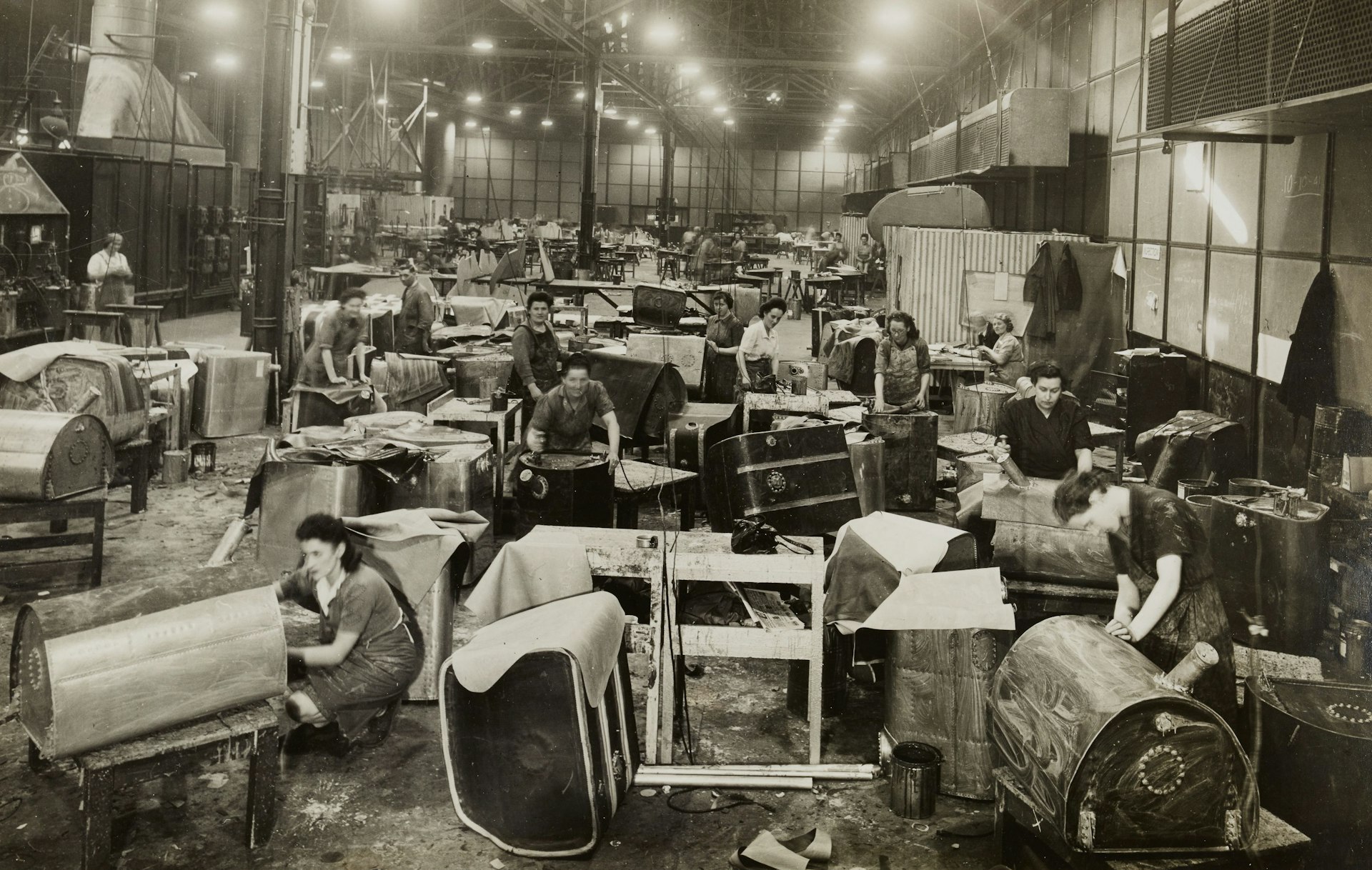

Photo by Birmingham Museums Trust on Unsplash
Introduction: A Crisis That Shook the World
The Great Depression, lasting from 1929 to about 1939, stands as the most severe economic downturn in modern history. Triggered by the 1929 Wall Street crash, its shockwaves caused prolonged hardship, radically altered economic policies, and left a legacy that still influences how economies respond to crisis. Understanding the Depression’s impact on the global economy is essential for business leaders, policymakers, and individuals seeking to build resilience against future downturns [1] [2] .
The Economic Fallout: Global GDP, Trade, and Employment
The magnitude of the Great Depression’s economic impact was staggering. Between 1929 and 1932, global GDP fell by approximately 15% ; in the United States, the contraction reached 30%. International trade collapsed, with volume dropping by more than 50%, and unemployment soared to unprecedented levels-over 25% in the U.S., nearly 30% in Germany, and significant increases worldwide. Cities dependent on heavy industry were particularly hard-hit, while rural areas and farming communities suffered as crop prices dropped by 40-60%. By 1932, an estimated 30 million people were unemployed globally [1] [3] .
Structural Causes: Why Did the Depression Go Global?
Several interconnected forces amplified the crisis:
- Financial Instability: The crash was rooted in excessive speculation, high inequality, and weak regulation of banks, which led to risky lending and widespread defaults when panic struck [1] [3] .
- Globalization of Finance: The gold standard linked most national currencies, causing financial contagion as countries experienced capital flight and shrinking money supplies [2] .
- Protectionist Policies: Governments responded to crisis with tariffs, such as the U.S. Smoot-Hawley Tariff Act, which backfired by further reducing global demand and trade [1] .
These factors created a cycle of falling demand, shrinking production, and rising unemployment that infected nearly every industrialized nation.
How the Depression Changed Economic Policy and Theory
The crisis forced a fundamental rethink of government’s role in the economy. In the U.S., President Franklin D. Roosevelt’s New Deal expanded government intervention, creating jobs, stabilizing banks, and establishing social safety nets. Internationally, many countries abandoned the gold standard, devalued currencies, and increased spending on public works and welfare. These measures ultimately helped end the downward spiral, though recovery was uneven and slow [2] .
The Depression also gave rise to Keynesian economics , which argues that governments must actively counter economic downturns through fiscal and monetary policy. This shift in thinking continues to influence policy responses to modern crises, such as the 2008 financial crash and the COVID-19 pandemic.

Photo by The New York Public Library on Unsplash
Social and Political Consequences: Beyond Economics
The human toll of the Great Depression was profound. Mass unemployment and poverty eroded confidence in governments and institutions. In some countries, the resulting social unrest contributed to political extremism-most notably in Germany, where economic despair helped the Nazi Party gain power. In the United States and elsewhere, the crisis spurred reforms that expanded workers’ rights and social welfare programs, reshaping the relationship between citizens and the state [1] [2] .
Lessons for Today: Building Economic Resilience
The legacy of the Great Depression offers actionable insights for managing economic risk:
- Diversify Revenue Streams: Businesses and individuals can reduce vulnerability to shocks by diversifying income sources and investments.
- Monitor Financial Risk: Regulators and companies should maintain robust oversight of lending and investment practices to avoid systemic risks.
- Foster International Cooperation: Governments can coordinate policy to avoid protectionism and support global demand during downturns.
- Plan for Social Safety Nets: Social welfare programs can help cushion the impact of unemployment and poverty during crises.
For those seeking guidance on building financial resilience or responding to economic hardship, you can:
- Consult financial advisors to assess risk and create contingency plans.
- Contact your local government social services department for information on unemployment insurance, food assistance, and public works programs.
- For business support, reach out to chambers of commerce or economic development agencies in your region.
- To learn about historical sources and data, visit established educational institutions or libraries and search for “Great Depression economic impact” using credible research databases.
Case Study: Recovery and Reform
Recovery from the Depression took different forms. In the United States, the New Deal programs focused on job creation, infrastructure investment, and financial reform. Public works projects, such as the construction of highways and dams, provided employment and modernized the country’s infrastructure. In Europe, approaches varied, but many countries adopted policies to increase spending and support industry. The outbreak of World War II ultimately provided the massive demand boost that ended the Depression in many nations, but the lessons learned led to lasting institutional changes [1] [2] .
Practical Guidance: Accessing Support and Information
If you are facing economic hardship or want to learn more about government programs in your country:
- Search for your country’s official government portal (e.g., “U.S. Department of Labor,” “UK Department for Work and Pensions”) for current unemployment and social assistance programs.
- For business assistance, look for your country’s economic development office or small business agency for grants, loans, and advisory services.
- If you are a student or researcher interested in the history of the Great Depression, university library portals and national archives provide access to economic reports, policy documents, and primary sources.
Many countries also maintain hotlines or online chat services where you can speak directly with representatives about available services. If you are unsure where to start, you can call your local government office or search for “social assistance” or “business support” along with your country or city name.
Key Takeaways
The Great Depression’s impact on the global economy was profound and far-reaching. By understanding the causes, consequences, and recovery strategies, individuals and organizations can better prepare for future economic instability. Whether you are seeking support, building a crisis plan, or studying history, use the official channels and credible research sources provided in this article for the most reliable guidance.