
What Are the Best Car Driving Jobs?
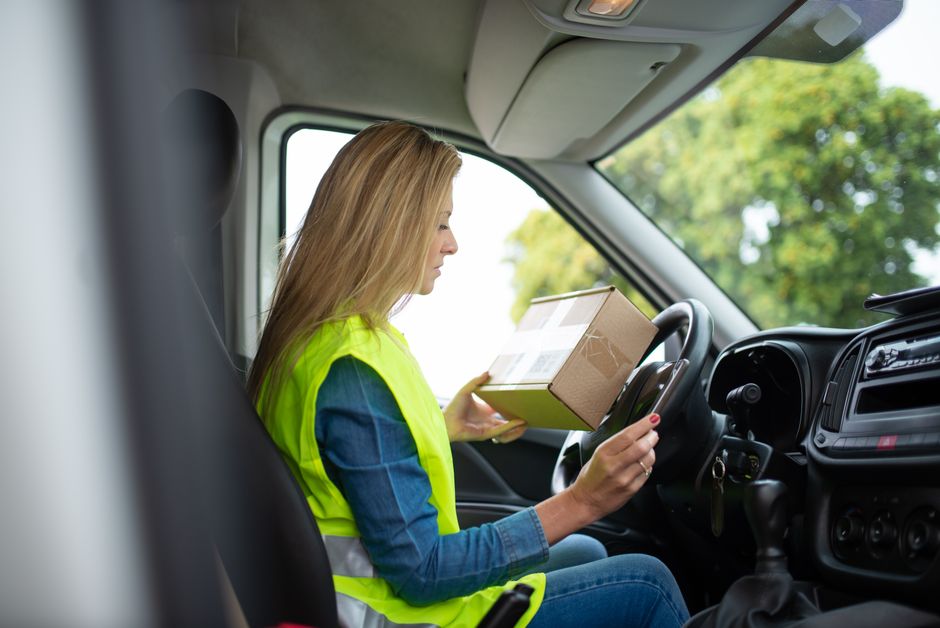
Car driving jobs include company-van delivery, auto-parts routes, medical courier work, dealership vehicle delivery, shuttle driving, vehicle testing, and field service. Pay and vehicle arrangements vary by employer and role. BLS reports a May 2025 median of $43,950 a year for delivery truck drivers and driver/sales workers, while shuttle drivers and chauffeurs had a $37,290 median. Compare hourly pay with vehicle costs, unpaid time, and license requirements before accepting an offer.
What car driving job pays the most?
Among the roles with comparable published figures here, delivery truck driving and driver/sales work have the highest stated median: $43,950 per year in May 2025. The figure is an occupational median, not a guaranteed offer or a direct ranking of every specialty role.
The Bureau of Labor Statistics also reports a $44,860 median for light truck drivers. Shuttle drivers and chauffeurs had a $37,290 median, and taxi drivers had a $42,100 median. These figures cover broad occupations; the provided data does not give separate pay figures for medical couriers, dealership vehicle delivery, vehicle testing, or field service. Ask an employer for the actual pay structure and expected hours.
Be cautious with claims that an ordinary employee driving job pays $3,000 per day. The provided wage data does not support that as a typical employee-driver wage. High weekly income claims tied to CDL work are also a different comparison: CDL eligibility depends on the vehicle and work, and the sources provided do not establish a typical $3,000-per-week CDL wage.
What jobs give you a car to drive?
Company-van delivery and some shuttle roles are the clearest possibilities for an employer-provided vehicle, but the specific arrangement depends on the employer. BLS says light-truck drivers commonly use employer or fleet vans; it also notes that some driver/sales workers use personal vehicles.
Here are seven roles to compare. These are role descriptions, not promises that a particular employer supplies a car:
| Role | Typical work to ask about | Vehicle and license questions |
|---|---|---|
| Company-van delivery | Local package and small-shipment pickup and delivery | Is a fleet van provided? Is a standard license enough for this vehicle? |
| Auto-parts route driver | Moving parts between suppliers, stores, or repair businesses | Is the route vehicle supplied, and how are fuel and route time handled? |
| Medical courier | Courier runs for medical-related items | Does the employer provide the car, or require a personal vehicle and business insurance? |
| Dealership vehicle delivery | Driving vehicles or completing delivery-related trips for a dealer | Which vehicle is driven, and what trips or vehicle-return arrangements are expected? |
| Shuttle driver | Planned trips between destinations, such as airport, station, or hotel connections | Is the shuttle provided? How many passengers can it carry? |
| Vehicle testing | Driving vehicles as part of a testing role | What license, schedule, and vehicle-handling requirements does the employer set? |
| Field service driver | Traveling between service calls or customer locations | Is a company vehicle available, or is mileage reimbursed for a personal car? |
Get the details before comparing offers: who supplies the vehicle, who pays fuel and maintenance, whether insurance covers work use, whether the vehicle can go home, and how work miles are reimbursed. For a personal-car opening, see What Are the Best Drive Your Own Car Jobs? and compare delivery-specific arrangements in How Can I Find Car Delivery Driver Jobs?
What driving jobs can I get without a CDL?
Many local car and light-van jobs can be done without a CDL, provided the vehicle and duties do not meet commercial-license thresholds and local rules do not add requirements. BLS says delivery drivers need a state driver's license and clean driving record; the occupation typically requires a high-school diploma or equivalent and short-term training.
Federal Motor Carrier Safety Administration rules generally require a CDL for Class A combinations rated at 26,001 pounds or more when the towed unit exceeds 10,000 pounds, or Class B single vehicles rated at 26,001 pounds or more. A Class C CDL applies to certain smaller vehicles designed for 16 or more passengers, including the driver, or vehicles carrying placardable hazardous materials. A regular car, small van, or light delivery vehicle below those thresholds does not automatically require a CDL.
Shuttle work deserves a specific check: BLS says transporting 16 or more passengers requires a CDL with a passenger endorsement. Ask the recruiter for the vehicle's passenger capacity and the license required for that exact job. A job title alone does not settle the question.
How much do car driving jobs pay per hour?
For a broad benchmark, BLS reports that delivery truck drivers and driver/sales workers had a May 2025 median of $21.13 per hour, and light truck drivers had an annual median of $44,860. Shuttle drivers and chauffeurs had a $37,290 annual median; taxi drivers had a $42,100 annual median. These are national occupation statistics, not guaranteed local starting rates.
For Burlington County and nearby communities, use local postings to identify employers and role details, then verify wages directly. The Philadelphia-Camden-Wilmington metro area—which includes Burlington County—reported a mean hourly wage of $23.43 across all transportation and material-moving occupations in May 2024. That is a broad metro-wide mean, not a car-driver wage or an individual offer.
Run a local search for Burlington County, Mount Holly, Philadelphia, and nearby areas. Compare the same items in each listing: stated hourly or per-stop rate, scheduled and paid hours, required vehicle, route mileage, reimbursement, and any license or passenger requirements. Treat job-board listings as leads to verify, not guaranteed wages.
Then calculate what the offer leaves you. If you use your own car, the IRS standard mileage rate for business use in 2025 is 70 cents per mile; it is a tax calculation method subject to applicable rules, not necessarily the reimbursement an employer will pay. Track business miles and compare the offered reimbursement with your actual arrangement. Include unpaid waiting or return time, fuel, maintenance, insurance, and whether overtime applies. A higher per-stop figure can produce lower effective hourly earnings if the route takes longer or vehicle costs fall on you.
Before accepting, ask: “Is the posted pay hourly or per stop, and which route hours are paid?” Then ask: “Who provides the vehicle, and how are business miles, fuel, insurance, and maintenance handled?” Those answers make two offers comparable on the same basis.
Frequently Asked Questions
Do delivery driver jobs provide a car, or do I need my own?
Some delivery roles use employer or fleet vans, while some driver/sales jobs use a personal vehicle. Ask whether the vehicle is provided, whether you can take it home, and who pays for fuel, insurance, maintenance, and work mileage.
Can a regular driver's license qualify me for a driving job?
Yes. BLS says delivery drivers need a state driver's license and a clean driving record, and many car- or light-van jobs do not automatically require a CDL. Vehicle weight, passenger capacity, hazardous materials, and state or local rules can trigger additional requirements.
How can I compare driver job pay after mileage, fuel, and vehicle costs?
Estimate paid hours, include route and waiting time, then subtract work-related mileage and other expenses you are responsible for. Compare that result with the employer's hourly wage or per-stop rate, and ask how mileage reimbursement is calculated.
Sources
- U.S. Bureau of Labor Statistics — Delivery Truck Drivers and Driver/Sales Workers
- U.S. Bureau of Labor Statistics — Taxi Drivers, Shuttle Drivers, and Chauffeurs
- U.S. Bureau of Labor Statistics — Occupational Employment and Wages in Philadelphia-Camden-Wilmington, May 2024
- Federal Motor Carrier Safety Administration — Commercial Driver's License: Drivers
- Internal Revenue Service — Publication 463, Travel, Gift, and Car Expenses
Read next
What Driving Jobs That Provide a Car Can I Get?
Driving jobs that provide a car include delivery, shuttle, field-service, and relocation roles, but vehicle costs and take-home rules vary.

How Do I Find Personal Car Delivery Jobs?
Find personal car delivery jobs by comparing local listings, vehicle costs, insurance coverage, reimbursement, and schedule.

What Are the Best Drive Your Own Car Jobs?
Compare drive your own car jobs and calculate whether delivery pay remains worthwhile after mileage, insurance, taxes, and vehicle costs.

How Can I Build a Graphic Design Portfolio for an Internship With Only Student Projects?
Build a credible graphic design internship portfolio from class and self-initiated projects with clear process, attribution, and project selection.