
What Driving Jobs That Provide a Car Can I Get?
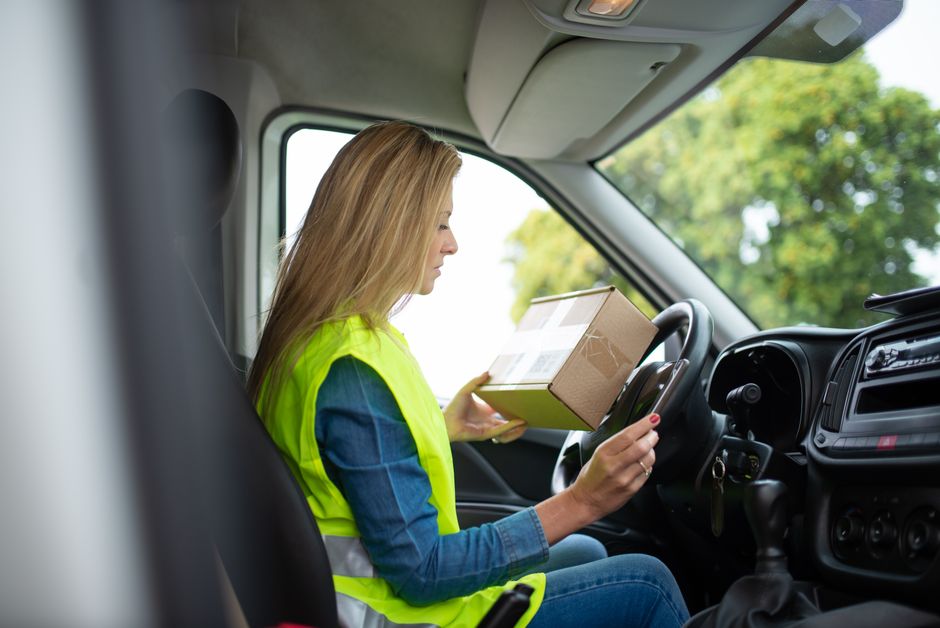
Driving jobs that provide a car or van include delivery, shuttle and fleet driving, field service, and vehicle relocation. The vehicle may be available only during paid shifts or, in some roles, for commuting; personal use can affect taxable wages. Confirm in writing who pays for fuel, insurance, maintenance, mileage, and accident costs before accepting, because these terms vary by employer.
What driving jobs provide a car or van to use at work?
Delivery, shuttle or fleet, field-service, and vehicle-relocation jobs can include a work vehicle, but the vehicle arrangement depends on the role and employer. Start by checking whether you drive an employer's vehicle, a customer's vehicle, or your own; those arrangements carry different cost and schedule questions.
Delivery drivers commonly use small trucks or vans to carry orders from distribution centers to delivery locations. The Bureau of Labor Statistics reports that light truck drivers had a median annual wage of $44,140 in 2024. Some driver/sales workers use their own vehicles, so do not infer that a vehicle is provided just because a posting includes driving.
Shuttle and fleet roles involve driving vehicles for an employer or its customers, while field-service roles may pair driving with visits to service locations. Confirm the vehicle type, whether you must transport passengers or equipment, and whether driving time between locations is paid. The sources provided do not establish standard vehicle or expense terms for these categories.
Vehicle relocation is a different model: you move a customer's car rather than drive a standard delivery van. Auto Driveaway lists local, regional, and long-haul trips and says its driver categories include vehicles under 10,000 pounds, vehicles from 10,001 to 26,000 pounds, and CDL vehicles at 26,001 pounds and above. Its stated age and license requirements should be checked directly, along with current trip pay, insurance, fuel, and travel expenses. For a broader look at that work type, see How Can I Find Car Delivery Driver Jobs?
| Job type | Vehicle arrangement to check | Key question |
|---|---|---|
| Delivery | Often a van or light truck, but arrangements vary | Is the vehicle supplied for every shift? |
| Shuttle or fleet | Employer or fleet vehicle may be used | Does the job include passenger transport, and is the vehicle take-home? |
| Field service | Employer vehicle or personal vehicle, depending on the position | Are work miles reimbursed if you use your own car? |
| Vehicle relocation | Customer's vehicle moved between locations | Who covers fuel, return travel, and insurance? |
Can I take a company-provided vehicle home or use it only during shifts?
You can take a company-provided vehicle home only if the employer permits it; a vehicle supplied for a shift does not automatically include commuting or personal use. Ask for the exact rule before accepting, because permission to park a vehicle at home is different from permission to use it privately.
Commuting can also affect taxes. The IRS treats permission to commute in a business vehicle as a fringe benefit, and fringe benefits are generally taxable unless a specific exclusion applies. The IRS says commuting use more than one day a month is not a de minimis benefit, so ask how the employer records and reports any approved commuting or personal use.
Use a direct question: “Is the vehicle assigned to me outside my scheduled shift, and may I commute in it or use it for personal errands? How is that use treated on my pay and tax records?” Get the answer in the offer or vehicle policy, not only in a verbal conversation.
Does Amazon provide a vehicle for delivery drivers?
Amazon delivery drivers who work for a Delivery Service Partner generally use delivery vans supplied through their DSP, but applicants should confirm the vehicle arrangement with the specific employer. Amazon says DSPs are independent businesses that hire and manage their own employees, so pay and schedules are set by the individual DSP.
Amazon's program article describes DSP drivers using delivery vans, including Rivian electric vans. It also reported an investment intended to help DSPs raise driver pay to a national average of nearly $22 per hour in 2024. That figure is an Amazon estimate, not a guaranteed wage for a particular DSP, location, shift, or job posting.
Ask the DSP: “Will I drive a DSP-provided van for every route? Can I take it home? What are the start and end locations, scheduled hours, and rules for fuel, damage, and personal use?” If you are comparing an employee role with a contractor-style option, see Can I Be an Amazon Delivery Driver With Own Car?
Can I get a driving job with a company vehicle and no experience?
Yes, some driving jobs do not require related work experience, although you still need to meet the employer's license and driving-record requirements. The Bureau of Labor Statistics lists no related work experience as typical for delivery truck drivers and driver/sales workers, with short-term on-the-job training.
The BLS also reports that drivers need a state driver's license and a clean driving record. Its 2024 data puts the median annual wage for delivery truck drivers and driver/sales workers at $42,770, while the median for light truck drivers is $44,140. These occupation-wide figures are useful reference points, not a promise of pay from a specific company or a guarantee that the job supplies a vehicle.
Compare the actual offer, not just its headline daily rate. Check paid hours, route length, training time, benefits, and any vehicle-related deductions. A route with a high advertised daily amount may be less attractive if the hours are longer or the written terms leave fuel, travel, or accident costs unclear.
Before you accept, run this posting check:
- Vehicle: “Is the car or van supplied, and is it available only during shifts?”
- Fuel and mileage: “Who pays for fuel, and how are work miles tracked or reimbursed?”
- Insurance and damage: “What insurance applies, what is the accident excess, and can any amount be deducted from my pay?”
- Maintenance and breakdowns: “Who schedules repairs, and what should I do if the vehicle fails or I have a crash?”
- Pay and schedule: “How many hours are paid, what route or shift is expected, and what benefits or deductions apply?”
These are operational questions, not paperwork details. OSHA recommends employer policies for maintenance, accident reporting, mechanical failures, driver training, and safe operation; it also says scheduled preventive maintenance helps keep work vehicles safe. OSHA's guidance does not set who pays every cost, so the employer's written policy is the deciding document for your role.
Frequently Asked Questions
Who pays for fuel, insurance, maintenance, and damage to the vehicle?
There is no single rule in the provided sources that applies to every employer. Ask the hiring company who pays each cost, whether accident excess or damage can be deducted from wages, and what steps drivers must follow after a crash or breakdown; get the answers in writing.
Are jobs that pay you to drive cars long distances legitimate?
Vehicle-relocation work is a real job category: Auto Driveaway recruits drivers for local, regional, and long-haul trips in customer vehicles. Verify the current qualifications, pay terms, insurance, fuel, and travel expenses directly with the company before agreeing to a trip.
How can I find company-vehicle driving jobs near me?
Search local listings for delivery driver, shuttle driver, field-service driver, fleet driver, and vehicle relocation roles, then confirm that the employer supplies the vehicle. Ask about take-home permission and costs before applying or accepting, and compare the written terms across postings.
Sources
Read next
What Are the Best Car Driving Jobs?
Car driving jobs range from delivery to shuttle work; compare pay, vehicle costs, and license requirements before accepting an offer.

How Do I Find Personal Car Delivery Jobs?
Find personal car delivery jobs by comparing local listings, vehicle costs, insurance coverage, reimbursement, and schedule.

What Are the Best Drive Your Own Car Jobs?
Compare drive your own car jobs and calculate whether delivery pay remains worthwhile after mileage, insurance, taxes, and vehicle costs.

How Can I Build a Graphic Design Portfolio for an Internship With Only Student Projects?
Build a credible graphic design internship portfolio from class and self-initiated projects with clear process, attribution, and project selection.