
How Can I Find Car Delivery Driver Jobs?
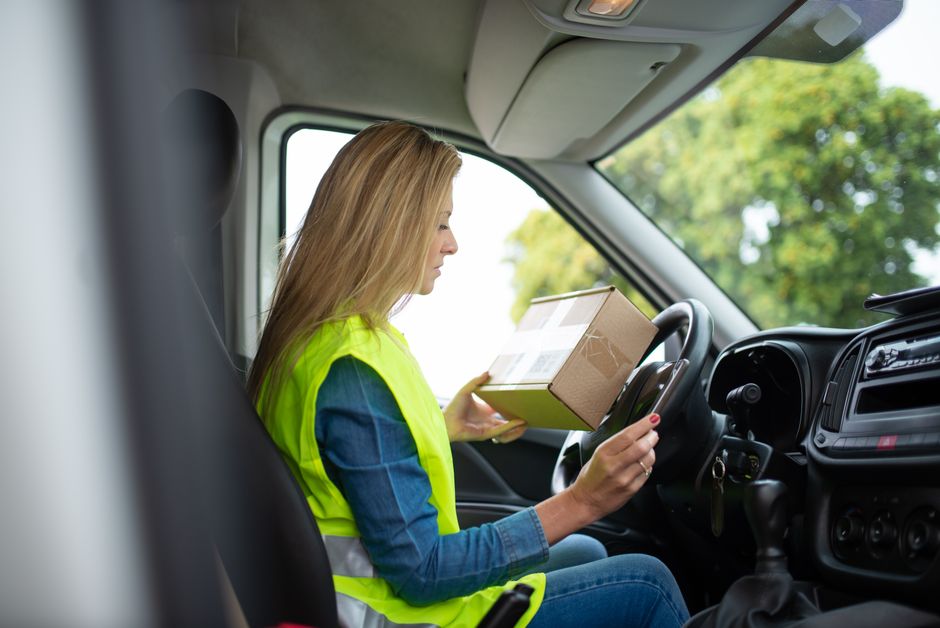
Car delivery driver jobs are easiest to find by searching vehicle-transport terms, checking dealerships and vehicle-shipping employers, and confirming whether the role moves cars or delivers packages. Compare hourly, per-delivery, and contractor pay after fuel, insurance, mileage, and unpaid time. Before applying, verify the license, driving-record, vehicle, route, training, and insurance requirements.
How do I find car delivery driver jobs near me?
Find car delivery driver jobs near you by using vehicle-transport search terms, checking employers directly, and verifying the actual duties before submitting an application. The phrase “delivery driver” covers several different jobs, so the search process needs a filter.
Use a seven-step search plan:
- Start with precise terms. Search for phrases such as “car delivery driver,” “vehicle delivery driver,” “auto transport driver,” and “vehicle relocation driver,” then add your city, county, or state.
- Check dealerships. Look for openings connected to vehicle transfers, customer vehicle delivery, dealer trades, or movements between locations. Read the duty description rather than relying on the job title.
- Check vehicle-shipping employers. Search companies that arrange or perform automobile transportation, then review their official career pages and application instructions.
- Separate cars from parcels. Look for words such as vehicle, automobile, dealership, transport, or relocation. Package, small shipment, courier, and route delivery usually point to a different role.
- Confirm the equipment. Ask whether you drive the customer’s vehicle, a company vehicle, a truck, or a vehicle combination. The equipment affects licensing, insurance, and daily costs.
- Verify the opening. The Federal Trade Commission advises applicants to confirm listings through an employer’s known official website, ignore generic unexpected job texts, and never pay money to receive wages or access a job. You can also review this site’s guide on How Can I Find Legitimate Free Scholarships Without Getting Scammed? for a broader scam-checking framework.
- Ask for the pay formula in writing. Before an interview ends, ask whether compensation is hourly, per delivery, per mile, or a combination, and whether waiting, return travel, and vehicle expenses are paid.
This verification step matters because an unusually high earnings claim, unclear duties, a deposit, cryptocurrency payment, or an upfront fee is a warning sign identified by the FTC. Its instruction is direct: “Never pay anyone to get paid.” Treat the employer’s official listing, clear duties, and transparent payment terms as the minimum entry standard.
What is the difference between delivering cars and delivering packages in my own car?
Delivering cars means transporting automobiles, while delivering packages in your own car means carrying smaller shipments between pickup and drop-off points; the vehicle, cargo, route, and cost structure can all differ. Confirming this distinction prevents you from applying for a parcel role when you want vehicle transport.
The Bureau of Labor Statistics says delivery truck drivers generally operate vehicles weighing less than 26,001 pounds and transport packages or small shipments locally. Some driver/sales workers use their own vehicles. That description fits many parcel and local delivery jobs, but it does not automatically describe a car-transport position.
Car transport can involve a single automobile, a company vehicle, or a heavier vehicle combination. The Federal Motor Carrier Safety Administration says CDL requirements generally apply at 26,001 pounds or more in gross vehicle weight or gross vehicle weight rating, depending on the vehicle and configuration. The job’s cargo alone does not decide the license requirement.
| Question to compare | Vehicle-transport role | Parcel delivery in your own car |
|---|---|---|
| What is moved? | Automobiles or vehicle-related cargo | Packages or small shipments |
| What should you confirm? | Vehicle combination, license, endorsements, damage rules, and return route | Personal-vehicle eligibility, mileage treatment, insurance, and route expectations |
| What can change your costs? | Commercial equipment, licensing, insurance, and unpaid return travel | Fuel, mileage, maintenance, insurance, depreciation, and personal-car wear |
Use a simple script with a recruiter: “Is this position transporting automobiles or delivering packages? What vehicle would I operate, and who covers insurance, damage, fuel, and return travel?” A clear answer tells you more than the word “delivery” in the headline.
How much do car delivery drivers make, and what is typical take-home pay after expenses?
Car delivery pay depends on the vehicle, route, employer, and license requirements, while take-home pay depends on expenses that an advertised gross wage may not include. Use published wage data as a benchmark, then calculate the costs attached to the specific offer.
For a broad comparison, the Bureau of Labor Statistics reports 2025 median pay of $43,950 per year, or $21.13 per hour, for delivery truck drivers and driver/sales workers. Its separate figure for light truck drivers is $44,860 per year. Heavy and tractor-trailer truck drivers had 2025 median pay of $58,640 per year, or $28.19 per hour; that category includes some drivers who transport cars and generally involves heavier equipment and CDL requirements.
Older occupational wage data also shows why location and employer matter. In May 2023, light truck drivers had a national mean wage of $46,090 and a median annual wage of $42,470. The reported 10th- to 90th-percentile annual range was $28,070 to $75,090, while couriers and express delivery services reported a mean annual wage of $60,210 for light truck drivers. These figures are useful comparisons, not a promise that a particular car-transport listing will pay within that range.
Build a take-home checklist before accepting an offer:
- Fuel: Ask whether fuel is supplied, reimbursed, or deducted from your pay.
- Mileage: Record business miles and find out whether the employer pays for them. The IRS standard mileage rate for business use in 2025 is $0.70 per mile, but that is a tax calculation, not an automatic employer reimbursement.
- Vehicle costs: Include maintenance, repairs, tires, depreciation, lease payments, registration, licenses, insurance, tolls, and parking where applicable. The IRS identifies these as possible actual vehicle expenses.
- Unpaid time: Ask whether waiting, loading, inspection, repositioning, and travel back to the starting point are paid.
- Employment status: Confirm whether you are an employee or an independent contractor, because tax treatment and expense responsibilities differ.
Run the offer through one sentence: “My expected gross pay is ___, minus fuel, insurance, mileage-related costs, maintenance, and unpaid travel.” If the recruiter cannot explain the inputs, the headline number is not enough to compare.
Can I get a car delivery driver job with no experience?
You may qualify for some delivery-driver roles with no related experience, but vehicle-transport employers can still require a suitable license, clean driving record, training, and the ability to meet the job’s physical and schedule demands. No experience does not mean no screening.
The Bureau of Labor Statistics says delivery truck driver occupations typically require no related work experience, a state driver’s license, and a clean driving record. Training is usually one month or less of on-the-job training. Those points support applying to entry-level delivery positions, while the exact vehicle-transport requirements must come from each employer.
For heavier car-transport work, the BLS says heavy truck drivers typically have no prior related work experience but generally attend professional truck-driving school and receive short-term on-the-job training. The FMCSA adds that the vehicle’s weight and configuration determine whether a CDL is required, with a general federal threshold of 26,001 pounds or more and additional rules for certain vehicles or cargo.
Prepare a pre-application checklist:
- State driver’s license and any required commercial license or endorsement.
- Driving-record standard and whether the employer conducts a record check.
- Experience requirement, including whether training is provided.
- Ability to inspect, enter, exit, move, or otherwise handle the assigned vehicle as the job requires.
- Schedule, route length, overnight expectations, and return-to-origin rules.
- Company-provided vehicle, equipment, fuel, insurance, and damage coverage.
- Employee or contractor classification, pay timing, and available benefits.
Ask the employer for a precise answer: “What must I already have on my first day, and what will you train or provide?” Then ask for the same answer in writing. That turns a vague entry-level promise into an application decision you can evaluate.
Frequently Asked Questions
Do car delivery driver jobs require a CDL or a special license?
Not always. The Federal Motor Carrier Safety Administration says a CDL generally applies when the vehicle or combination has a gross vehicle weight or gross vehicle weight rating of 26,001 pounds or more, while some car-transport configurations can also have separate commercial safety requirements. Confirm the vehicle weight, configuration, and required endorsements with the employer.
Does Amazon hire drivers to deliver cars, or are its driver jobs for packages?
The Bureau of Labor Statistics describes delivery truck driving as transporting packages or small shipments, and that category can include drivers using their own vehicles. A listing associated with a large delivery brand should therefore be checked carefully to determine whether it involves packages, cars, or another type of cargo.
What should I check about insurance, mileage, and vehicle costs before accepting a delivery-driver job?
Ask who pays for fuel, tolls, insurance, repairs, damage, and return travel, and whether mileage is reimbursed or simply included in the stated pay. The IRS lists fuel, insurance, depreciation, registration, repairs, tires, tolls, and parking among possible vehicle expenses, and its 2025 business mileage rate is $0.70 per mile.
Which questions should I ask an employer about pay, routes, hours, and benefits?
Ask whether pay is hourly, per delivery, per mile, or a combination; when paid time starts and ends; whether routes return you to your starting point; and how cancellations, waiting, damage, and overtime are handled. Also ask about expected hours, scheduling, training, equipment, employee status, and any benefits that apply.
Sources
- U.S. Bureau of Labor Statistics: Delivery Truck Drivers and Driver/Sales Workers
- U.S. Bureau of Labor Statistics: Heavy and Tractor-Trailer Truck Drivers
- Federal Motor Carrier Safety Administration: Passenger Carrier Guidance Fact Sheet
- Internal Revenue Service: Publication 463
- Federal Trade Commission: Task Scams Spotlight
- U.S. Bureau of Labor Statistics: Light Truck Drivers Occupational Employment and Wage Statistics
Read next
Can I Be an Amazon Delivery Driver With Own Car?
An Amazon delivery driver with own car must subtract fuel, vehicle wear, unpaid travel, and taxes before judging route profitability.

What Are the Best Drive Your Own Car Jobs?
Compare drive your own car jobs and calculate whether delivery pay remains worthwhile after mileage, insurance, taxes, and vehicle costs.

How Can I Find Legitimate Free Scholarships Without Getting Scammed?
A practical, scam-aware process for finding free scholarships, verifying offers, and protecting your personal information.

How Can I Build a Graphic Design Portfolio for an Internship With Only Student Projects?
Build a credible graphic design internship portfolio from class and self-initiated projects with clear process, attribution, and project selection.