
Understanding the Hidden Link Between Indoor Environments and Family Well-Being
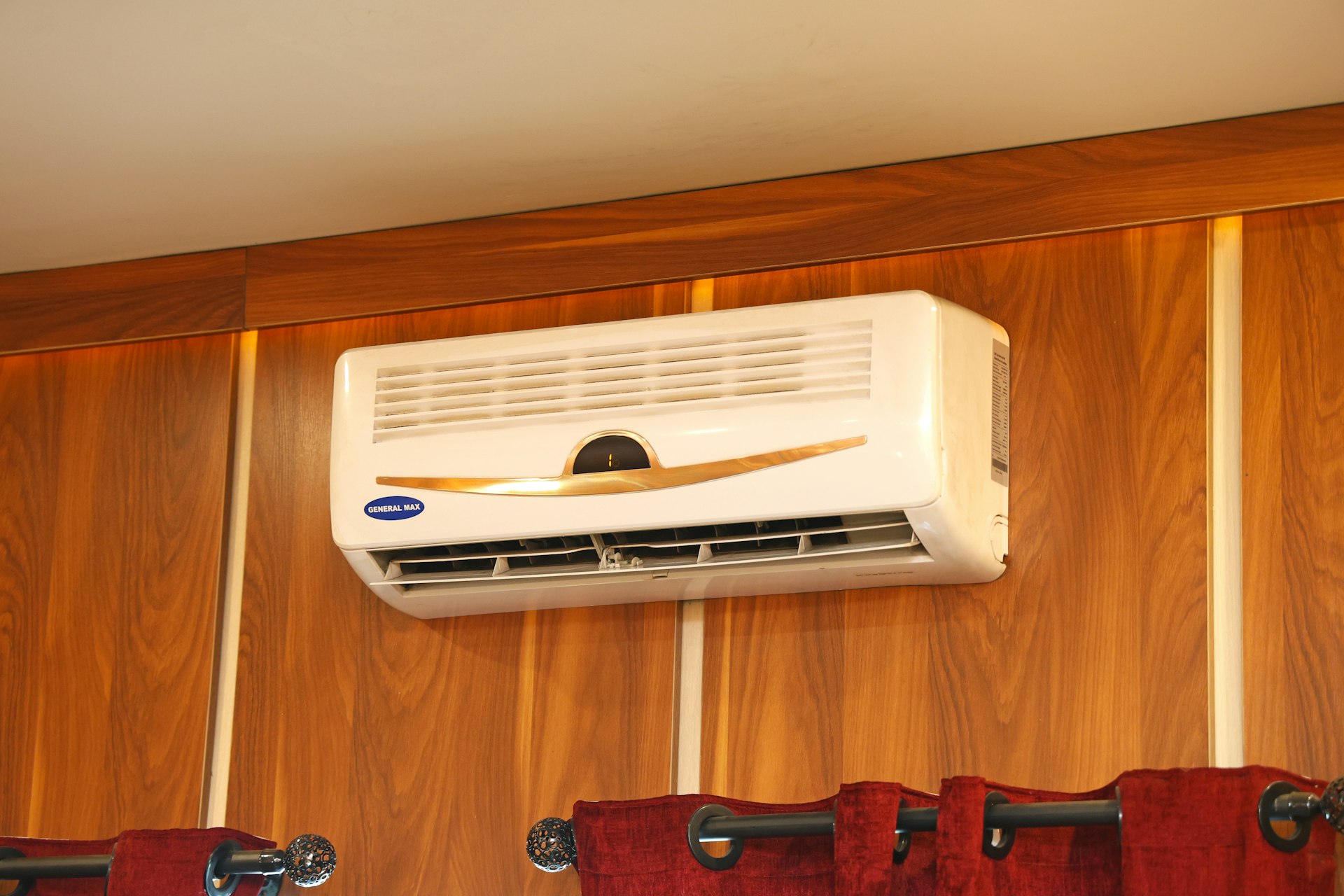

Photo by Babak Eshaghian on Unsplash
What Lurks in Your Indoor Air?
Most people don’t realize that indoor air can sometimes be more polluted than outdoor air, according to studies from leading environmental health organizations. Common pollutants include volatile organic compounds (VOCs) from cleaning products, paint, and newly manufactured furniture; particulate matter from cooking fumes, tobacco smoke, and dust mites; mold spores from damp basements or bathroom corners; and pet dander from furry companions. These contaminants can accumulate over time, especially in tightly sealed homes designed for energy efficiency, which limit natural air exchange.
Health Impacts of Poor Indoor Air Quality
Exposure to these pollutants can lead to a range of health issues, from immediate, mild discomfort to long-term, serious conditions. Short-term effects may include red, irritated eyes, persistent headaches, daytime fatigue, and respiratory discomfort like frequent coughing or sneezing. For individuals with pre-existing asthma or seasonal allergies, these symptoms can be significantly exacerbated, leading to more frequent and severe attacks that disrupt daily routines. Long-term exposure has been linked to more concerning outcomes, such as chronic obstructive pulmonary disease (COPD), cardiovascular issues, and even certain types of cancer, particularly from prolonged contact with formaldehyde and other persistent VOCs found in some building materials.
Vulnerable Populations and Indoor Air Quality
Some groups are more susceptible to the effects of poor indoor air quality than others. Children, whose lungs are still in the developmental stage, breathe more air per pound of body weight than adults, making them more exposed to harmful pollutants with each breath. Elderly individuals, especially those with pre-existing respiratory or cardiovascular conditions, are also at higher risk, as their bodies may be less able to cope with ongoing exposure. Pregnant women should also prioritize indoor air quality, as certain pollutants can potentially affect fetal development, including increased risk of preterm birth or low birth weight. For these vulnerable groups, taking proactive steps to improve air quality can have a profound impact on their health and well-being.
Simple, Evidence-Based Ways to Improve Indoor Air
There are several actionable steps to enhance indoor air quality without significant cost or effort. First, regular ventilation is key. Opening windows for even 15 minutes a day, especially during times when outdoor air quality is good, can help flush out stale air and bring in fresh, oxygen-rich outdoor air, reducing the concentration of accumulated pollutants. Using exhaust fans in kitchens and bathrooms while cooking or showering can also remove moisture and fumes before they spread to other parts of the home.
Another effective measure is to choose low-VOC or VOC-free products when purchasing furniture, paint, and cleaning supplies. Look for third-party certifications like GREENGUARD or EcoLogo, which ensure products meet strict emission standards and release minimal harmful chemicals into the air. Additionally, using high-efficiency particulate air (HEPA) filters in air purifiers and HVAC systems can trap up to 99.97% of small particles, including dust mites, pollen, pet dander, and even some bacteria and viruses.

Photo by VBreathe on Unsplash
Maintaining proper humidity levels is also crucial for preventing mold growth, which thrives in damp environments. Aim for a humidity range of 30-50% throughout the home. Using dehumidifiers in damp areas like basements or bathrooms can help control moisture levels, while air conditioners can reduce humidity during hot, humid summer months. Regular cleaning, including vacuuming with HEPA-filtered vacuums and dusting with microfiber cloths that trap dust instead of spreading it, can also reduce the buildup of dust and other particles on surfaces.
Long-Term Habits for Sustained Air Quality
Beyond immediate fixes, adopting long-term habits can support consistent indoor air quality over time. For example, avoiding smoking indoors is one of the most impactful steps, as tobacco smoke releases hundreds of harmful chemicals that linger in the air and on surfaces for hours or even days. Houseplants can also play a small but beneficial role; certain plants like spider plants, peace lilies, and snake plants are known to absorb VOCs from the air, though their effect is most noticeable in small, enclosed spaces like bedrooms or home offices.
Regular maintenance of HVAC systems is another important habit. Changing filters every 1-3 months (depending on usage and the type of filter) ensures that the system is effectively removing pollutants rather than recirculating them back into the home. It’s also a good idea to have professional inspections of HVAC systems and ductwork every few years to check for mold growth, dust buildup, or other contaminants that could compromise air quality.
Finally, being mindful of new additions to the home can prevent the introduction of unnecessary pollutants. When bringing in new furniture, carpets, or rugs, allow them to off-gas in a well-ventilated area like a garage or outdoor space before placing them indoors. This can reduce the amount of VOCs released into your living space over the first few weeks or months after purchase.