Navigating Digital Health Content: Separating Fact From Fiction in Online Spaces
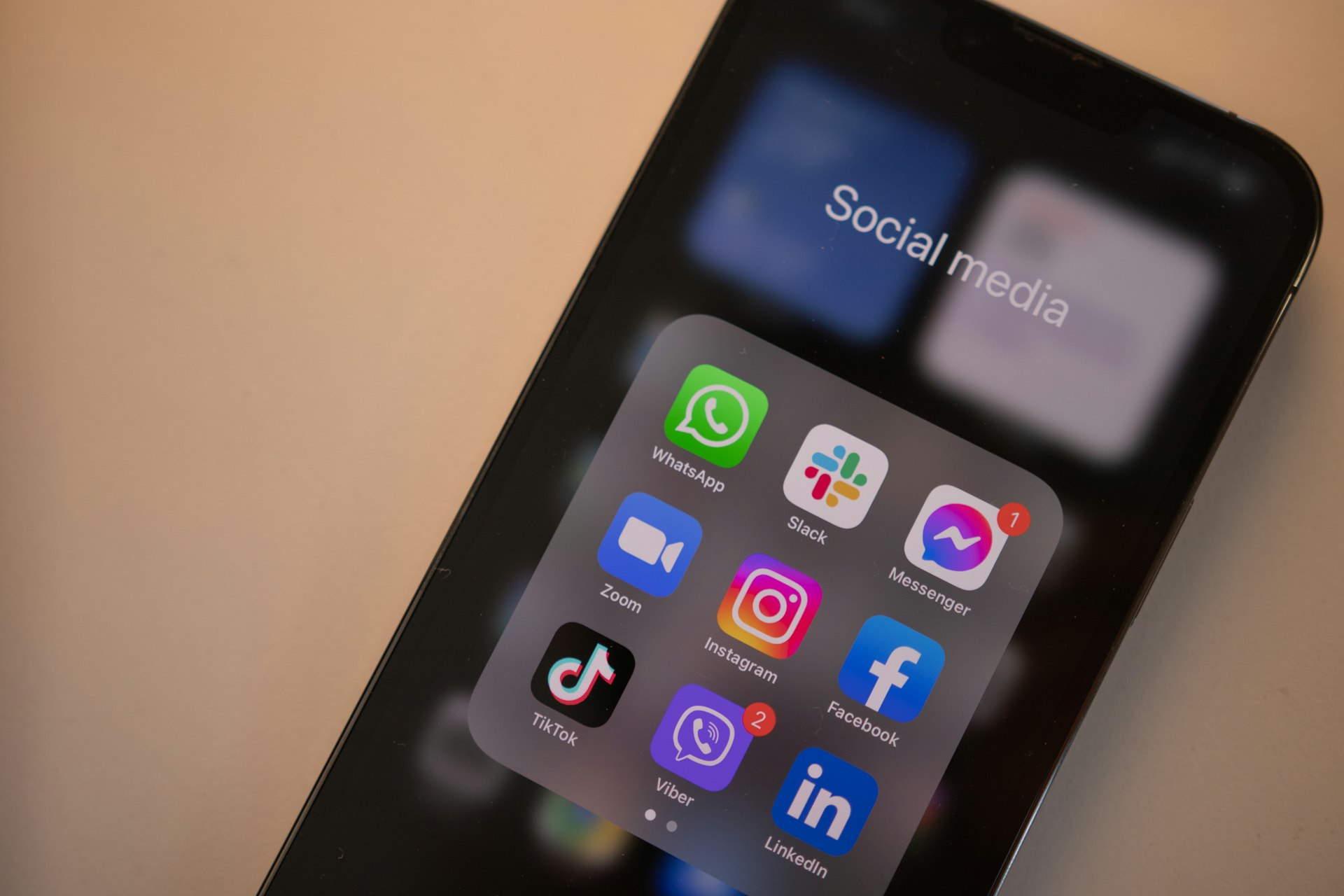

Photo by dlxmedia.hu on Unsplash
Every day, millions of people scroll through social media feeds, encountering posts about everything from quick weight-loss hacks to miracle cures for chronic conditions. While some of these posts are based on peer-reviewed research and expert advice, a significant portion lacks scientific backing, creating a landscape where misinformation thrives. This isn’t just an annoyance; it can have serious consequences for individual health and public health initiatives alike.
The Scope of the Problem
A 2023 study published in the Journal of Medical Internet Research found that nearly 60% of adults in the United States have encountered health misinformation on social media in the past year. Common topics include vaccine safety, dietary supplements, mental health treatments, and COVID-19 protocols. What makes this issue particularly challenging is that misinformation often is packaged in engaging, shareable formats-like short videos or infographics-that resonate with users before they have a chance to fact-check.
Why Misinformation Spreads So Quickly
Social media algorithms are designed to prioritize content that generates engagement, such as likes, comments, and shares. Misinformation often taps into emotional triggers-fear, hope, or distrust in institutions-which makes it more likely to be shared. For example, a post claiming a “natural remedy” can cure diabetes may be shared widely by users who are frustrated with traditional treatments, even if there’s no clinical evidence to support the claim. Additionally, anonymous accounts or fake profiles can amplify misinformation without being held accountable, making it harder to trace the source.
Identifying Red Flags in Health Content
There are several key signs that a health post may be based on misinformation. First, look for claims that seem too good to be true-like “lose 10 pounds in 3 days” or “cure cancer with one pill.” These are almost always unsubstantiated. Second, check the source: is the post from a reputable organization, like the World Health Organization (WHO) or a licensed healthcare provider? If the source is an unknown individual or a company selling a product, be skeptical. Third, look for citations to peer-reviewed studies; if a claim isn’t backed by published research, it’s likely not credible. Finally, be wary of content that uses urgent language, like “act now” or “don’t miss this,” as this is often a tactic to pressure users into sharing or acting without thinking.
The Impact on Public Health
Health misinformation can have far-reaching effects. During the COVID-19 pandemic, misinformation about vaccines led to low vaccination rates in some communities, resulting in higher rates of infection and hospitalization. Similarly, misinformation about mental health-such as the claim that antidepressants are “dangerous” and should be avoided-can prevent people from seeking the treatment they need. For individuals with chronic conditions, following misinformation can lead to skipping prescribed medications or trying unproven remedies, which can worsen their health and lead to costly hospital visits.

Photo by Merakist on Unsplash
How to Combat Health Misinformation
As a consumer, there are steps you can take to protect yourself and others from health misinformation. First, take a pause before sharing any health-related content. Ask yourself: “Do I know this is true?” and “Is the source credible?” Second, cross-check claims with reputable sources like the WHO, Centers for Disease Control and Prevention (CDC), or a trusted healthcare provider. Third, report misinformation to the social media platform-most platforms have tools to flag content that violates their policies on misinformation. Finally, educate your friends and family about how to identify misinformation, as collective action can help reduce its spread.
Healthcare providers also play a crucial role in combating misinformation. By taking the time to address their patients’ questions about content they’ve seen online, providers can help correct misconceptions and guide patients toward reliable information. Additionally, social media platforms can improve their algorithms to prioritize credible health content and reduce the visibility of misinformation. However, this requires collaboration between platforms, public health organizations, and researchers to develop effective strategies.
Ultimately, navigating health content online requires a critical eye and a commitment to seeking out evidence-based information. By being proactive about fact-checking and educating others, we can create a safer digital environment for everyone to access reliable health insights. This ongoing effort not only protects individual well-being but also strengthens public health systems, ensuring that accurate, trustworthy information reaches those who need it most.