
Understanding Silent Kidney Decline: Uncovering Unnoticed Renal Conditions
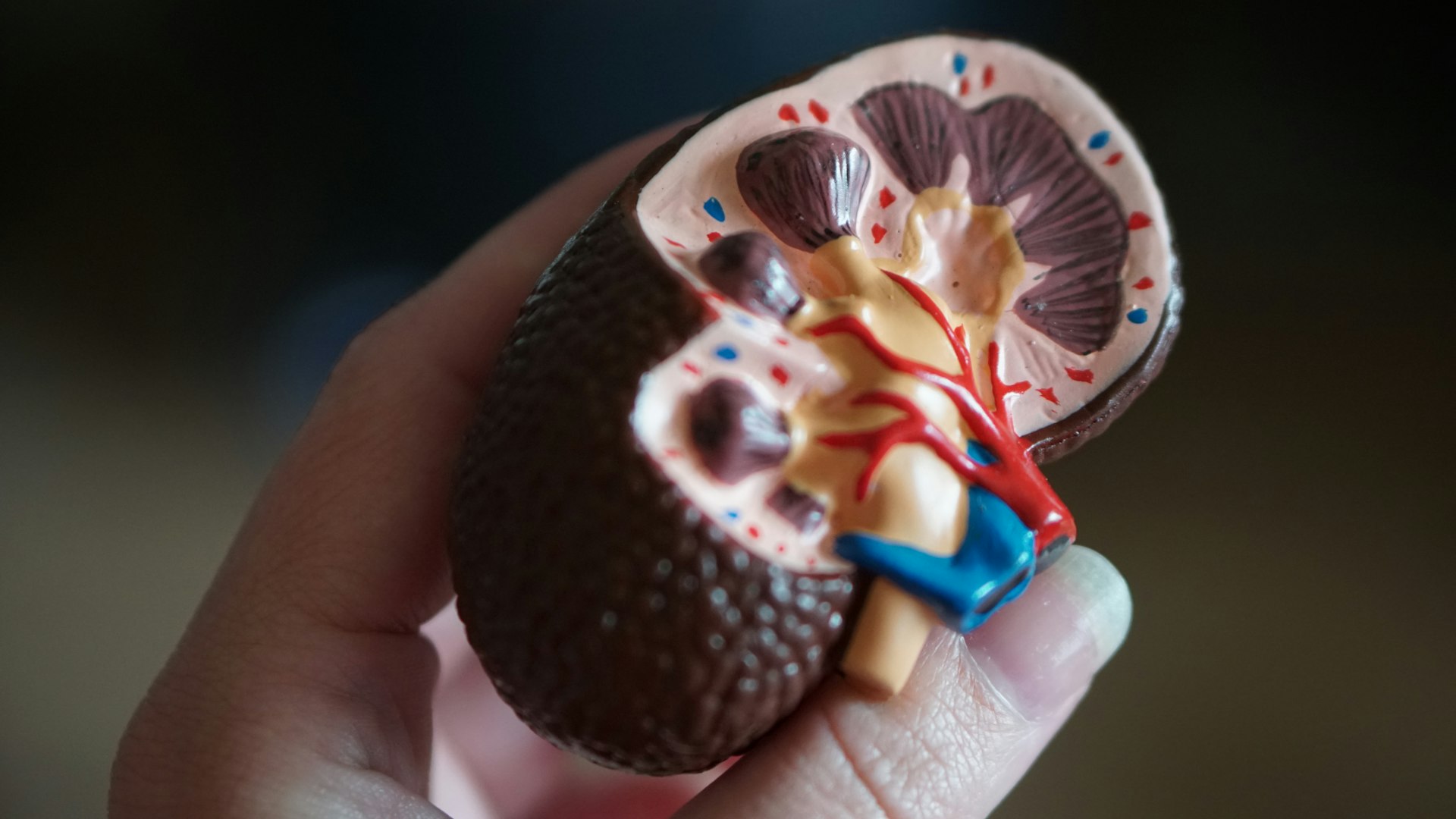

Photo by Robina Weermeijer on Unsplash
The Silent Progression of Renal Conditions
Most people don’t think about their kidneys until something goes wrong, but these bean-shaped organs perform critical functions every day. They filter waste products from the blood, regulate fluid balance, produce hormones that control blood pressure and red blood cell production, and help maintain healthy bone density. When kidney function declines gradually, the body can compensate for a long time, meaning that chronic kidney disease (CKD) can develop without any noticeable symptoms in its early stages. This silent progression is why many individuals are diagnosed only when their kidney function has already dropped significantly, or when complications arise.
Subtle Clues That May Signal Renal Concerns
While early CKD often has no obvious signs, there are some subtle changes that might indicate underlying issues. These are often vague and can be mistaken for other health problems, which is why they’re easily overlooked. For example, persistent fatigue that doesn’t improve with rest could be a sign of anemia, a common complication of CKD. Kidneys produce erythropoietin, a hormone that stimulates red blood cell production; when kidney function declines, this hormone level drops, leading to reduced oxygen transport in the blood and fatigue.

Photo by Europeana on Unsplash
Other subtle signs include dry, itchy skin, which can result from the buildup of waste products in the blood that the kidneys can no longer filter out. Frequent urination, especially at night, might also be a clue, as damaged kidneys may struggle to concentrate urine. Swelling in the hands, feet, or face (edema) can occur when kidneys can’t remove excess fluid from the body, but this is more common in later stages of CKD. Even changes in urine color or foaminess (indicating protein in the urine) can be a sign, but many people don’t pay attention to these details.
Key Risk Factors for Hidden Kidney Damage
Understanding who is at risk for developing silent CKD is an important step in early detection. The most common risk factors include diabetes and high blood pressure, which are responsible for over two-thirds of all CKD cases. Diabetes damages blood vessels in the kidneys over time, reducing their ability to filter waste, while high blood pressure strains the blood vessels, leading to kidney scarring.
Other risk factors include a family history of kidney disease, being over the age of 60, and belonging to certain ethnic groups, such as African Americans, Hispanics, Native Americans, and Asian Americans, who have higher rates of CKD. Additionally, individuals with heart disease, obesity, or a history of smoking are at increased risk. Long-term use of certain medications, like nonsteroidal anti-inflammatory drugs (NSAIDs), can also damage kidneys if used excessively without medical supervision.
Why Routine Screenings Are Critical
Since early CKD has no symptoms, routine screenings are the only way to detect it before it progresses. For individuals at risk, healthcare providers recommend regular blood and urine tests. A blood test to measure glomerular filtration rate (eGFR) estimates how well the kidneys are filtering waste; a low eGFR indicates reduced kidney function. A urine test to check for albumin (a type of protein) can detect early kidney damage, as healthy kidneys don’t allow large amounts of protein to pass into the urine.
It’s important to note that even if you don’t have any risk factors, it’s still a good idea to discuss kidney health with your doctor during annual checkups. Catching CKD early allows for interventions that can slow or stop its progression, preventing the need for dialysis or kidney transplant later in life.
Lifestyle Changes to Support Kidney Health
Making small, consistent lifestyle adjustments can help protect kidney function, even if you’re at risk for CKD. Staying hydrated by drinking enough water (about 8-10 cups a day, depending on activity level and climate) helps kidneys flush out waste products. Eating a balanced diet low in sodium, added sugars, and processed foods can help manage blood pressure and blood sugar levels, reducing strain on the kidneys.
Limiting alcohol intake and quitting smoking are also important, as both can damage blood vessels and reduce kidney function. Regular physical activity, such as walking, cycling, or swimming, can help maintain a healthy weight, lower blood pressure, and improve overall cardiovascular health, which in turn supports kidney health. If you take medications, always follow your doctor’s instructions and avoid overusing NSAIDs, as these can cause kidney damage over time.
Additionally, managing chronic conditions like diabetes and high blood pressure is essential for preventing kidney damage. Taking medications as prescribed, monitoring blood sugar and pressure regularly, and working with your healthcare team to keep these conditions under control can significantly reduce your risk of developing CKD.