Understanding How Wearable Tools Track and Support Cardiac Wellness
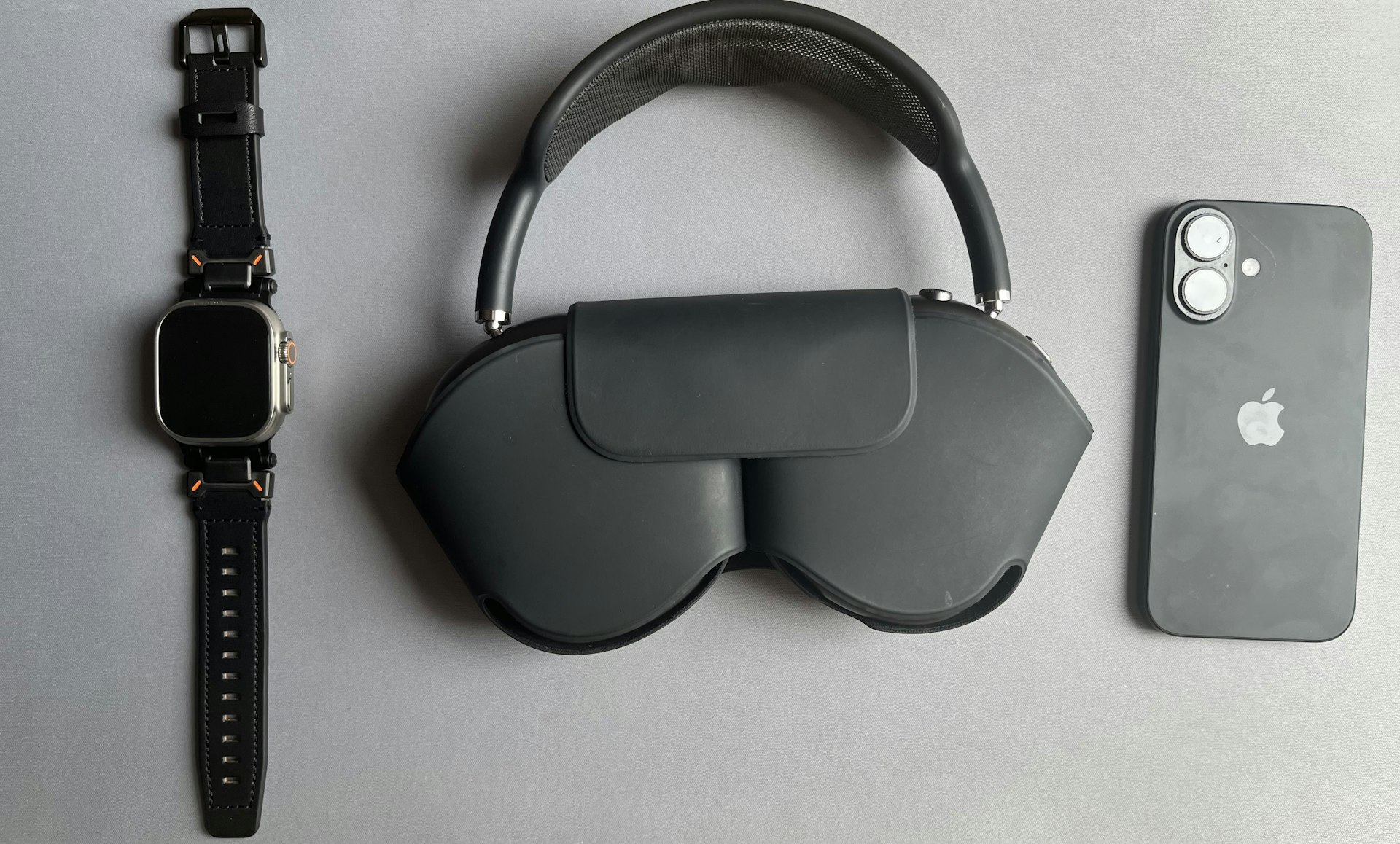

Photo by Lucien Watterlot on Unsplash
How Wearable Devices Capture Cardiac Data
Wearable tools use a combination of sensors to gather information about the heart’s activity. The most common sensor is photoplethysmography (PPG), which works by emitting light into the skin and measuring the amount of light reflected back. PPG sensors are typically located on the underside of wearable devices, such as smartwatches or fitness trackers. They use green light because it is absorbed more effectively by red blood cells than other colors. When the heart beats, blood flow to the wrist increases, and more light is absorbed, resulting in a lower amount of reflected light. Between beats, blood flow decreases, and more light is reflected back to the sensor. This cycle is measured hundreds of times per second to generate a continuous heart rate reading. Some devices also use infrared light to improve accuracy in low-light conditions or for users with darker skin tones. Some advanced devices also include electrocardiography (ECG) sensors, which detect the electrical signals generated by the heart as it contracts and relaxes. These sensors can identify irregular heart rhythms, such as atrial fibrillation, by measuring the timing and strength of these electrical impulses.

Photo by Lucien Watterlot on Unsplash
Key Cardiac Metrics Monitored by Wearables
Beyond basic heart rate, wearables track several other important metrics related to heart health. Resting heart rate is a measure of how many times the heart beats per minute when the body is at rest. A consistent resting heart rate within a healthy range (typically 60 to 100 beats per minute for adults) is often an indicator of good cardiovascular fitness. For athletes, a lower resting heart rate (sometimes as low as 40 beats per minute) can be a sign of excellent cardiovascular conditioning. Heart rate variability (HRV) measures the variation in time between consecutive heartbeats. This metric can provide insights into the body’s stress response and overall autonomic nervous system function. Lower HRV may be associated with increased stress levels or underlying health issues, while higher HRV is generally linked to better cardiovascular health.
Another key metric is respiratory rate, which is often tracked alongside heart rate to provide a more complete picture of the body’s vital signs. Respiratory rate refers to the number of breaths taken per minute, and a normal range for adults is between 12 and 20 breaths per minute. Abnormal respiratory rates can indicate a variety of health issues, including respiratory infections, asthma, or heart failure. Some wearables also monitor blood oxygen saturation (SpO2), which measures the amount of oxygen carried by red blood cells. Low SpO2 levels can indicate respiratory or cardiovascular problems, especially during sleep. For individuals with chronic conditions like asthma or chronic obstructive pulmonary disease (COPD), tracking SpO2 can help manage their symptoms and prevent complications.
Benefits for Different User Groups
Wearable devices offer unique benefits for various groups of people. For athletes and fitness enthusiasts, these tools can help optimize training routines by tracking heart rate zones. Training in specific heart rate zones (such as fat-burning, aerobic, or anaerobic) can improve performance and reduce the risk of overtraining. For example, training in the aerobic zone (which is typically 60 to 70 percent of maximum heart rate) can improve cardiovascular endurance, while training in the anaerobic zone (80 to 90 percent of maximum heart rate) can increase muscle strength and power. For individuals with pre-existing heart conditions, wearables can provide continuous monitoring, allowing them to detect changes in their heart’s activity early. This can help them manage their condition more effectively and alert healthcare providers to potential issues before they become serious.
Older adults can also benefit from wearable monitoring, as it can help detect falls or sudden changes in heart rate that may indicate a medical emergency. Many wearables include features like emergency alerts, which can notify family members or healthcare providers if a user experiences a sudden drop in heart rate or a fall. For individuals looking to improve their overall health, wearables can provide motivation to stay active by tracking daily steps, calories burned, and physical activity levels. This can help users set and achieve health goals, such as increasing their daily step count to 10,000 steps or reducing their resting heart rate over time. Additionally, some wearables offer personalized insights and recommendations based on the user’s data, such as suggesting a longer rest period if their heart rate is elevated after exercise.
Limitations and Important Considerations
While wearables offer many benefits, it’s important to understand their limitations. PPG sensors can be affected by factors like skin color, body movement, and device placement. For example, if a wearable is too loose or too tight on the wrist, it may not provide accurate heart rate readings. Additionally, activities like running or weightlifting can cause movement artifacts, which can interfere with the sensor’s ability to capture accurate data. ECG sensors, while more accurate than PPG for detecting irregular heart rhythms, require the user to be still and place their fingers on the sensor for a short period of time to get a reading. This means they may not capture irregular rhythms that occur randomly or during physical activity.
Another limitation is that wearables are not a replacement for professional medical care. While they can provide valuable insights into heart health, they should not be used to diagnose or treat medical conditions. If a user notices unusual changes in their heart rate or other metrics, they should consult a healthcare provider for further evaluation. It’s also important to choose a wearable device that is FDA-cleared for cardiac monitoring if you plan to use it to track heart health. FDA-cleared devices have undergone rigorous testing to ensure their accuracy and reliability. Additionally, users should be aware of the privacy and security of their data, as wearable devices collect and store sensitive health information. It’s important to choose a device that offers robust data encryption and allows users to control how their data is shared.
Encouraging Further Research
As technology continues to advance, wearable devices are becoming more sophisticated and capable of tracking an increasing number of cardiac metrics. Researchers are exploring new ways to use wearable data to predict and prevent cardiovascular diseases, such as using machine learning algorithms to identify patterns in heart rate variability that may indicate an increased risk of heart attack or stroke. By staying informed about the latest developments in wearable technology, individuals can make more informed choices about the devices they use and how they incorporate them into their daily lives.
Additionally, ongoing research into the long-term effects of wearable monitoring on heart health can help healthcare providers develop more personalized treatment plans for patients. For example, wearable data can be used to track the effectiveness of medications or lifestyle changes, such as diet and exercise, in improving heart health. By participating in research studies or staying up-to-date on the latest findings, individuals can contribute to the advancement of cardiac care and help improve outcomes for people with cardiovascular diseases. Furthermore, as more people use wearable devices, the amount of data available for research increases, which can lead to new insights and discoveries about heart health and disease prevention.