Understanding Contaminant Risks: Heavy Metals in Dietary Supplements and Protein Powders
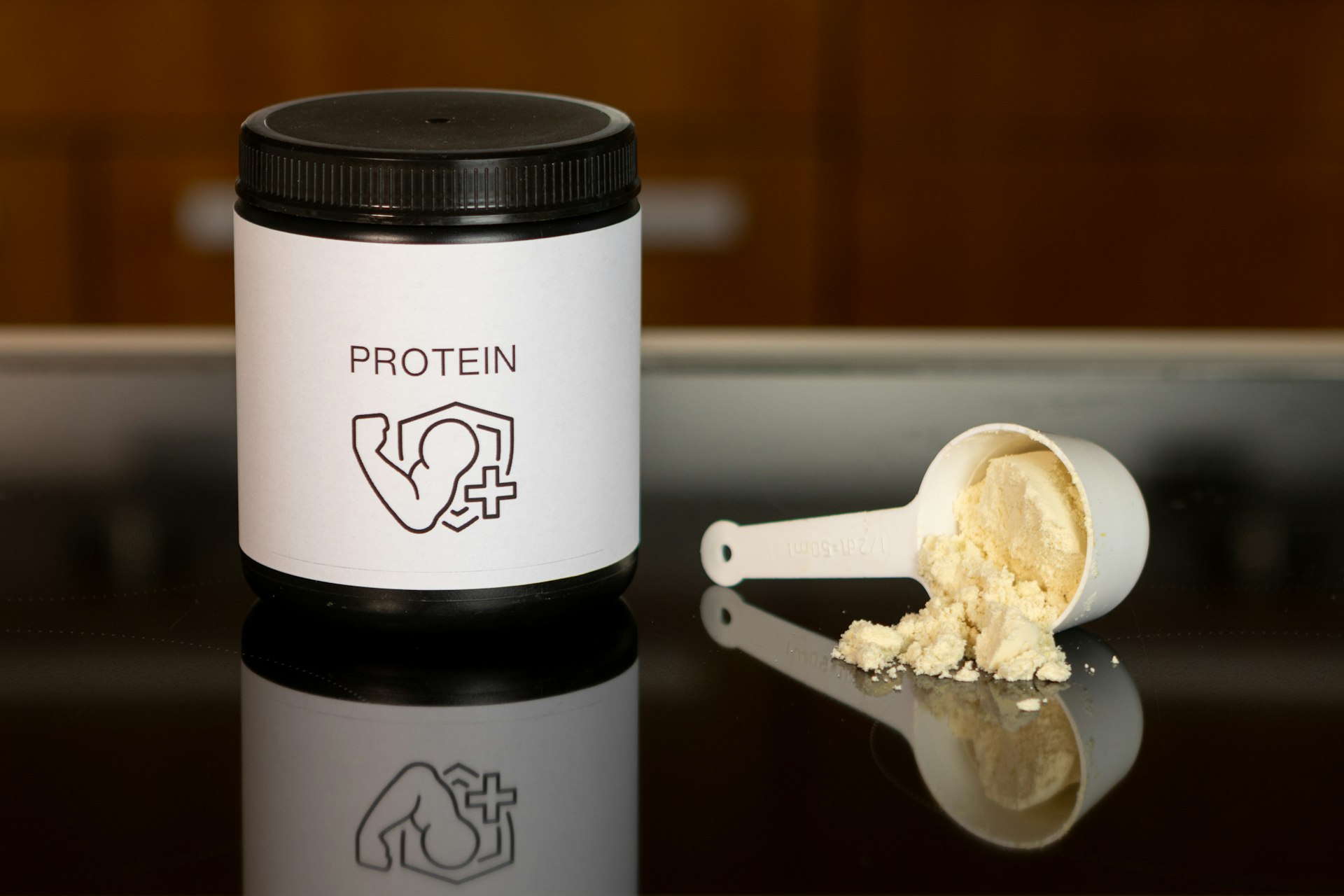

Photo by Alex Saks on Unsplash
For millions of people around the world, dietary aids are a staple part of their daily routines, used to boost energy, support muscle growth, or ensure they’re getting all the nutrients their bodies need. While these products are often marketed as convenient and health-boosting, there’s a growing body of research highlighting potential concerns related to certain impurities that may be present in them. These impurities can have subtle but long-lasting effects on health, making it essential for consumers to understand the context behind their presence and how to navigate the market responsibly.
How Heavy Metals Find Their Way Into Supplements
One of the primary reasons heavy metals end up in these products is through their raw materials. Plant-based ingredients, for example, are often grown in soil that has been contaminated by industrial waste, agricultural runoff, or historical mining activities. Over time, heavy metals from these sources accumulate in the roots and leaves of plants, which are then harvested and processed into powders or extracts. Animal-based ingredients can also carry impurities; animals that graze on contaminated pastures or drink polluted water may absorb these metals into their tissues, which then transfer to products made from their milk or meat.
Processing and manufacturing can also contribute to contamination. Equipment used in grinding, mixing, or packaging may contain trace amounts of heavy metals that can leach into the final product. Additionally, some additives or fillers used to improve texture, shelf life, or flavor may themselves contain low levels of these impurities, especially if they’re sourced from unregulated suppliers.
Common Heavy Metals Detected in Protein Powders
Several types of heavy metals are frequently detected in dietary aids, each with its own set of health risks. Lead, for instance, is a neurotoxin that can impair cognitive function, especially in children and developing fetuses. Long-term exposure to low levels of lead has been linked to high blood pressure, kidney damage, and reproductive issues. Arsenic, another common contaminant, can increase the risk of certain cancers, including skin, lung, and bladder cancer, as well as cause cardiovascular disease and diabetes over time.
Cadmium is another metal of concern; it accumulates in the kidneys and can lead to kidney damage, bone loss, and an increased risk of osteoporosis. Mercury, though less commonly found in these products, can affect the nervous system, leading to memory loss, tremors, and mood changes. It’s important to note that the risks associated with these metals depend on the level of exposure and the duration of use; even low levels consumed over many years can have cumulative effects on health.
Regulatory Oversight: What’s in Place?
The regulation of dietary aids varies significantly from country to country. In the United States, the Food and Drug Administration (FDA) regulates these products under the Dietary Supplement Health and Education Act (DSHEA) of 1994. Unlike prescription drugs, supplements do not need to be proven safe or effective before they are marketed to the public. Instead, manufacturers are responsible for ensuring their products are safe and do not contain contaminants at levels that are harmful to health. However, the FDA only inspects a small percentage of supplement facilities each year, and it can take action against a product only after it has been shown to cause harm.
In the European Union, the European Food Safety Authority (EFSA) sets strict limits on the levels of heavy metals allowed in dietary supplements. Manufacturers must comply with these limits and provide evidence of the safety of their products before they can be sold in the EU. Other countries, such as Canada and Australia, have similar regulatory frameworks that require manufacturers to meet specific safety standards and undergo regular testing.
Steps Consumers Can Take to Reduce Risk
While regulatory bodies play an important role in ensuring the safety of dietary aids, consumers can also take steps to protect themselves. One of the most effective ways is to choose products that have been tested by third-party organizations. Organizations like the United States Pharmacopeia (USP), NSF International, and ConsumerLab.com test supplements for contaminants, including heavy metals, and verify that they contain the ingredients listed on the label. Products that bear these certifications are more likely to be safe and reliable.
Consumers should also be mindful of the ingredients in the products they buy. Choosing plant-based supplements made from organically grown ingredients can reduce the risk of contamination, as organic farming practices restrict the use of synthetic fertilizers and pesticides that may contain heavy metals. Additionally, it’s important to follow the recommended dosage on the label; taking more than the recommended amount can increase the risk of exposure to contaminants.
Another important step is to talk to a healthcare provider before starting any new supplement. Healthcare providers can help consumers determine if a supplement is necessary, recommend safe products, and monitor for any potential side effects. They can also provide guidance on how to incorporate supplements into a balanced diet and lifestyle.
The Importance of Ongoing Research
Research into the presence of heavy metals in dietary aids is ongoing, and new studies are constantly emerging that provide more insight into the risks and benefits of these products. For example, recent studies have shown that certain types of supplements, such as plant-based protein powders, may have higher levels of heavy metals than animal-based products, due to the way plants absorb nutrients from the soil. Other studies have looked at the long-term effects of low-level exposure to heavy metals from supplements, and have found that it can have a significant impact on health over time.
As research continues, it’s important for consumers to stay informed about the latest findings and to make adjustments to their supplement use as needed. By staying educated and taking proactive steps to reduce their risk of exposure to contaminants, consumers can make more informed choices about the products they use and prioritize their long-term health and well-being.
In conclusion, while dietary aids can be a useful tool for supporting health and wellness, it’s important to be aware of the potential risks associated with contaminants. By understanding how these impurities end up in supplements, knowing which metals to watch out for, and taking steps to reduce their risk of exposure, consumers can make more informed choices and ensure that they are using safe and effective products. Ongoing research and regulatory oversight will continue to play a key role in improving the safety of dietary aids, but it’s up to each individual to take responsibility for their own health and well-being.

Photo by Alex Saks on Unsplash