
The Evolution of Diagnostic Tools in Contemporary Medical Practice
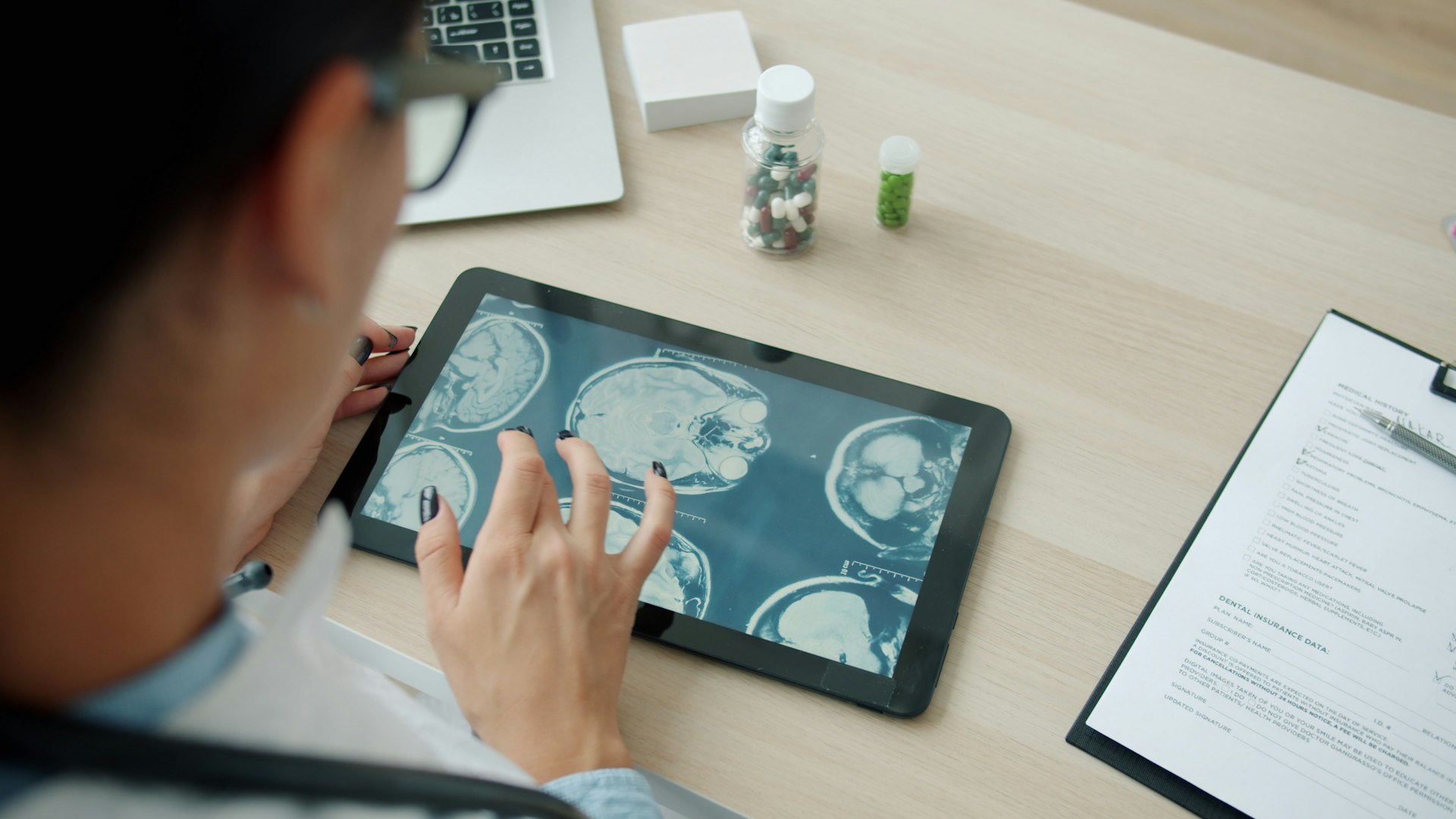

Photo by Vitaly Gariev on Unsplash
The Shift from Traditional to Data-Driven Diagnostics
For decades, medical diagnostics relied heavily on manual interpretation of test results, physical examinations, and the clinical expertise of individual practitioners. While these methods remain foundational, the last decade has witnessed a significant shift toward tools that leverage large datasets and advanced analytical techniques to enhance accuracy and efficiency. This transition has been driven by the growing volume of patient data available, as well as the need to address gaps in traditional diagnostic processes, such as human error in interpreting complex images or delays in identifying early signs of chronic conditions.
One of the most visible areas of change is in radiology, where tools can now analyze thousands of medical images-such as X-rays, MRIs, and CT scans-in a fraction of the time it takes a human radiologist. These tools are trained on vast libraries of labeled images, allowing them to detect subtle patterns that might be missed by the human eye, such as early-stage tumors or microfractures. This not only speeds up the diagnostic process but also reduces the likelihood of misdiagnosis, which can have life-altering consequences for patients.
Enhancing Predictive Care Through Diagnostic Advancements
Beyond image analysis, modern diagnostic tools are also being used to predict the likelihood of patients developing certain conditions before symptoms appear. By analyzing a combination of patient data-including genetic information, lifestyle factors, and historical health records-these tools can identify individuals at high risk for diseases like diabetes, cardiovascular disease, or certain types of cancer. This allows clinicians to implement preventive measures early, such as lifestyle modifications or targeted screenings, which can significantly improve patient outcomes and reduce healthcare costs over time.

Photo by Accuray on Unsplash
For example, in the case of cardiovascular disease, predictive diagnostic tools can analyze factors like blood pressure, cholesterol levels, family history, and even social determinants of health to calculate a patient’s risk of a heart attack or stroke. This information enables clinicians to create personalized care plans that address specific risk factors, such as prescribing medication to lower cholesterol or recommending a structured exercise program. By intervening early, these tools help prevent the progression of disease and reduce the need for more invasive treatments later on.
Personalized Medicine and Diagnostic Precision
Another key benefit of modern diagnostic advancements is their role in enabling personalized medicine. Traditional diagnostic methods often provide a one-size-fits-all approach to treatment, but modern tools allow clinicians to tailor treatments to individual patients based on their unique genetic makeup and health profile. For instance, in oncology, diagnostic tests can identify specific genetic mutations in a patient’s tumor, which can then be targeted with specialized medications. This not only increases the effectiveness of treatment but also reduces the risk of adverse side effects, as patients are not exposed to treatments that are unlikely to work for their specific condition.
Personalized diagnostics also play a crucial role in managing chronic conditions like diabetes. By continuously monitoring a patient’s blood glucose levels, along with other factors like diet and activity, diagnostic tools can provide real-time insights into how different treatments are working. This allows clinicians to adjust medication dosages or treatment plans as needed, ensuring that patients receive the most effective care possible.
Challenges and Considerations in Modern Diagnostics
While the benefits of modern diagnostic tools are clear, there are also several challenges that must be addressed to ensure their widespread adoption and safe use. One of the primary concerns is data privacy and security. As diagnostic tools rely on large amounts of sensitive patient data, it is essential to implement robust security measures to protect this information from unauthorized access or breaches. This includes using encryption, access controls, and regular security audits to ensure that patient data remains confidential.
Another challenge is the need for regulatory oversight. As these tools continue to evolve, regulatory bodies must keep pace to ensure that they are safe, effective, and meet strict quality standards. This includes conducting rigorous testing and validation processes to verify the accuracy and reliability of diagnostic tools before they are made available to clinicians and patients. Additionally, there is a need for ongoing training and education for healthcare providers to ensure that they are able to use these tools effectively and interpret their results correctly.
Finally, there is the issue of accessibility. While modern diagnostic tools have the potential to improve care for all patients, they are often expensive to implement and maintain, which can create disparities in access between different healthcare systems and patient populations. To address this, it is important to invest in initiatives that make these tools more affordable and accessible, such as government subsidies or partnerships between healthcare providers and technology companies.
The Future of Diagnostic Tools in Healthcare
Looking ahead, the future of diagnostic tools in healthcare is promising. As technology continues to advance, we can expect to see even more sophisticated tools that are capable of analyzing even larger datasets and providing more accurate and personalized insights. For example, the integration of wearable devices into diagnostic processes could allow for continuous monitoring of patient health, providing real-time data that can be used to detect early signs of disease or adjust treatment plans as needed.
Additionally, the use of advanced analytical techniques like natural language processing could enable diagnostic tools to analyze unstructured data, such as patient notes or medical records, to identify patterns and insights that might otherwise be missed. This could further enhance the accuracy and efficiency of diagnostic processes, allowing clinicians to spend more time with patients and less time on administrative tasks.
Overall, the evolution of diagnostic tools in contemporary medical practice is transforming the way we approach healthcare. From improving the accuracy of diagnoses to enabling personalized medicine and predictive care, these tools are playing an increasingly important role in improving patient outcomes and reducing healthcare costs. While there are still challenges to overcome, the potential benefits of these tools are too great to ignore, and they will continue to shape the future of healthcare for years to come.