Uncovering Hidden Chemicals: How Everyday Personal Care Items May Impact Hormonal Health
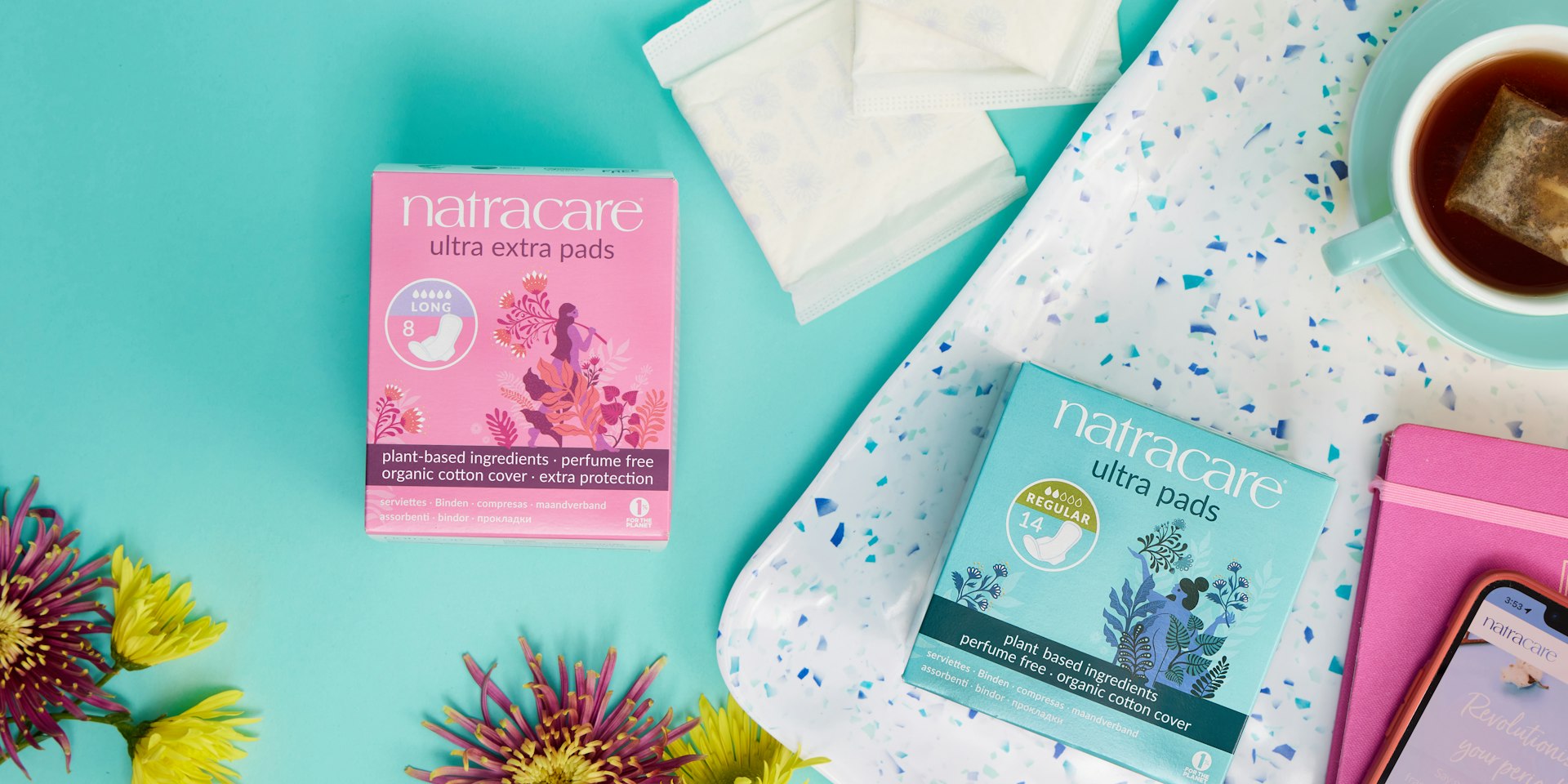

Photo by Natracare on Unsplash
The Interplay Between Daily Products and Bodily Systems
For decades, personal care products have been a staple of daily routines, from facial cleansers and moisturizers to shampoos, deodorants, and makeup. These items are formulated to enhance appearance, improve hygiene, or provide sensory pleasure, but their ingredients often go unexamined by the average consumer. Recent scientific research has shed light on certain compounds found in these products that can interact with the body’s endocrine system, the network of glands that produce hormones regulating everything from metabolism and growth to mood and reproduction.
How These Compounds Interact With Hormones
Endocrine-disrupting compounds (EDCs) work by mimicking, blocking, or altering the body’s natural hormones. For example, some compounds can bind to hormone receptors in cells, tricking the body into responding as if a natural hormone is present. Others can interfere with the production or breakdown of hormones, leading to imbalances over time. These effects can be particularly concerning during critical developmental periods, such as pregnancy, childhood, and adolescence, when hormonal signals are crucial for proper growth and organ formation.
Common sources of these compounds in personal care products include certain preservatives, fragrances, and plasticizers. Parabens, for instance, are a group of preservatives used to prevent bacterial growth in many lotions, shampoos, and cosmetics. A 2021 study published in the Journal of Environmental Health Perspectives found that women with higher levels of parabens in their urine had a higher risk of developing breast cancer, although more research is needed to establish a direct causal link. Phthalates, another class of chemicals, are often used to make plastics more flexible and are found in some hair sprays, nail polishes, and body washes. A study conducted by the National Institute of Environmental Health Sciences found that children exposed to phthalates during pregnancy had an increased risk of attention-deficit/hyperactivity disorder (ADHD) symptoms later in life.
Regulatory Gaps and Consumer Awareness
One of the challenges facing consumers is the lack of comprehensive regulation of personal care product ingredients in many countries. In the United States, the Food and Drug Administration (FDA) regulates personal care products, but its authority is limited. The FDA does not require pre-market approval for most personal care products, except for color additives and certain preservatives. In contrast, the European Union has stricter regulations, banning over 1,300 ingredients from personal care products, compared to just 11 in the United States.
Even when ingredients are listed on labels, many consumers lack the scientific knowledge to understand their potential effects. For example, terms like “fragrance” or “parfum” can refer to a mix of hundreds of undisclosed chemicals, some of which may have hormonal effects. This lack of transparency makes it difficult for individuals to make informed choices about the products they use.
To address this gap, several non-profit organizations have developed databases and certification programs to help consumers identify safer products. These programs evaluate products based on their ingredient lists, excluding those with known or suspected endocrine-disrupting compounds. However, these initiatives are voluntary, and not all manufacturers participate, leaving consumers to navigate a complex landscape of product options.
Steps Toward Informed Product Choices
For those looking to reduce their exposure to these compounds, there are several practical steps to take. First, reading product labels carefully is essential. Look for products that are labeled “paraben-free,” “phthalate-free,” or “fragrance-free,” as synthetic fragrances often contain a mix of undisclosed chemicals. Opting for products with shorter ingredient lists can also help, as simpler formulations are less likely to contain unnecessary additives.
Another strategy is to choose products made from natural or organic ingredients. While not all natural ingredients are safe, many organic certifications require manufacturers to avoid using synthetic pesticides, fertilizers, and certain chemical additives. However, it’s important to note that “natural” does not always mean “safe,” and consumers should still research individual ingredients to ensure they align with their health goals.
Additionally, reducing the number of personal care products used daily can help minimize overall exposure. For example, using a single multi-purpose moisturizer instead of separate face, body, and hand creams can reduce the number of different compounds the body is exposed to each day. Similarly, choosing solid products, such as bar soap or shampoo bars, can reduce exposure to plasticizers found in liquid product containers. Many solid products also come in minimal or plastic-free packaging, reducing environmental impact as well.
The Importance of Ongoing Research
While existing research has identified potential risks associated with certain personal care product ingredients, much remains unknown about their long-term effects. Many studies have been conducted in laboratory settings or on animals, and translating these findings to human health is complex. Additionally, the cumulative effect of exposure to multiple endocrine-disrupting compounds over time is not well understood, making it difficult to determine safe levels of exposure.
Ongoing scientific research is crucial for filling these knowledge gaps and informing regulatory policies. Consumers can support this research by participating in citizen science projects, advocating for stricter ingredient labeling laws, and supporting organizations that fund research on personal care product safety. By staying informed and making conscious choices, individuals can take an active role in protecting their health and the health of their families, while also driving demand for safer, more transparent personal care products.

Photo by Angelina on Unsplash