Uncovering Early Cancer Signs: The Role of Multi-Cancer Blood Tests in Modern Healthcare
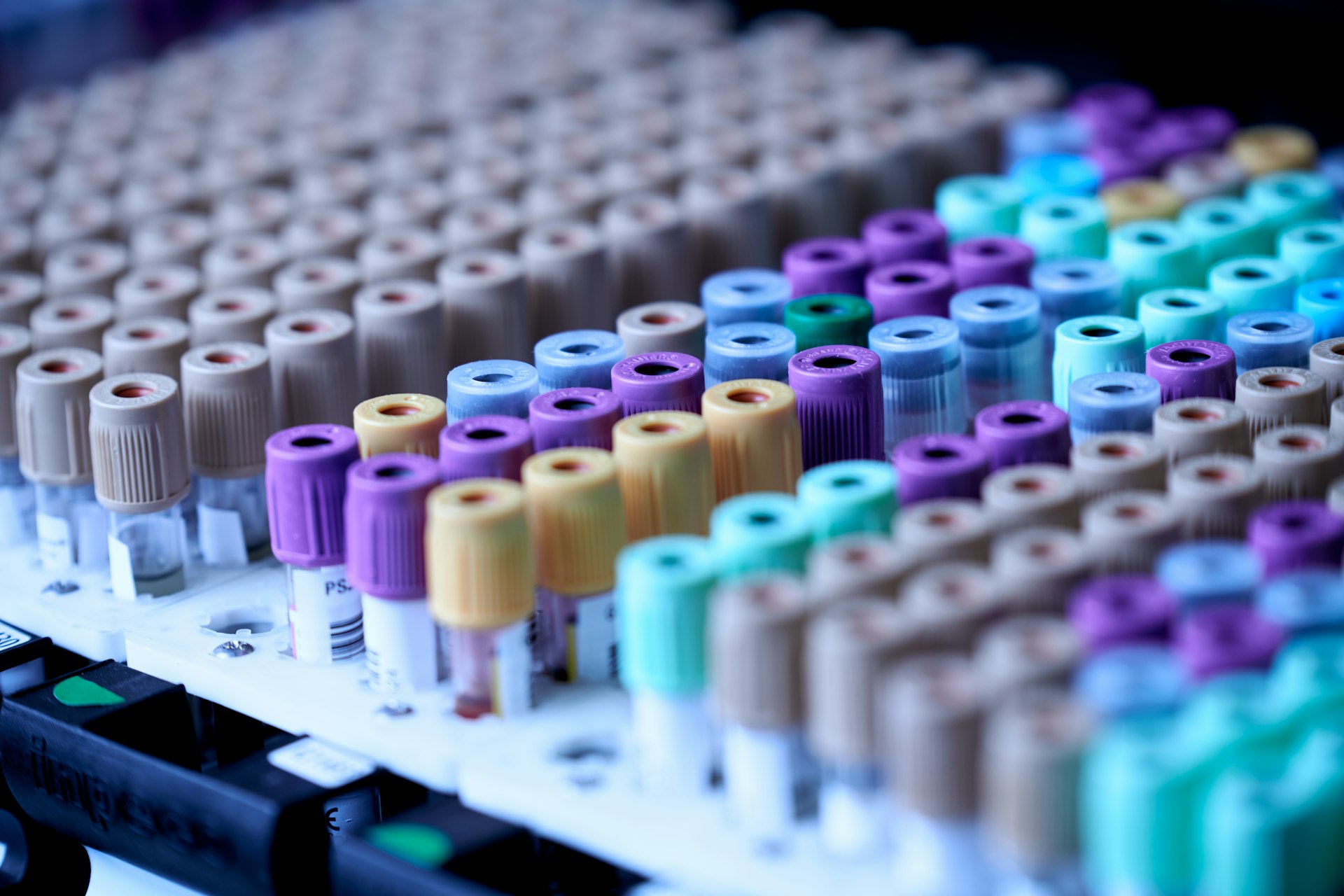

Photo by Testalize.me on Unsplash
Understanding Early Detection in Cancer Care
Cancer remains one of the leading causes of death globally, with late-stage diagnosis often correlating with lower survival rates. For years, standard screening methods have focused on individual cancer types, such as mammograms for breast cancer or colonoscopies for colorectal cancer. However, these methods are not universal, and many people do not have access to regular screenings for all potential cancers they may be at risk for. This gap in care has left millions vulnerable to late-stage diagnoses, where treatment options are more limited and outcomes are often less favorable.
The Science Behind Multi-Cancer Diagnostic Tools
Recent developments in molecular biology have led to the creation of tests that can analyze small fragments of DNA, proteins, or other biomarkers in the blood. These biomarkers are released by cancer cells as they grow and divide, even in the earliest stages of the disease. By examining a single blood sample, these tests can detect signals from multiple cancer types simultaneously, providing a broader view of a patient’s health.
Most of these tests work by identifying circulating tumor DNA (ctDNA) – pieces of genetic material that break off from cancer cells and enter the bloodstream. Circulating tumor DNA is released when cancer cells undergo apoptosis or necrosis, and these fragments carry the genetic mutations that drive the cancer’s growth. The tests use next-generation sequencing (NGS) to analyze thousands of genetic markers in the blood sample, looking for mutations that are associated with specific cancer types. This process is highly sensitive, allowing the detection of even small amounts of ctDNA in the bloodstream. Some tests also look for other indicators, such as changes in protein levels or immune cell activity, to increase their accuracy and reduce the risk of false results.
Clinical Use Cases and Real-World Impact
Several of these tests have already been approved for use in certain regions, with ongoing clinical trials expanding their applications. For example, some tests are now used as adjuncts to standard screenings for patients with a family history of cancer, helping to catch potential issues earlier than traditional methods might. In cases where a patient presents with vague symptoms that could indicate multiple cancers, such as unexplained weight loss or persistent fatigue, these tests can help narrow down the possibilities, guiding further diagnostic steps like targeted imaging or biopsies.
Studies have shown that early detection through these tests can lead to more effective treatment options. Patients diagnosed at an early stage are often eligible for less invasive procedures, such as surgery to remove small tumors, rather than aggressive treatments like chemotherapy or radiation. This not only improves quality of life but also increases the likelihood of long-term survival. For instance, a 2022 study published in a leading medical journal found that patients with early-stage lung cancer detected via blood-based screening had a 60% higher five-year survival rate compared to those diagnosed through traditional methods.
Advantages Over Traditional Screening Methods
One of the key benefits of these blood-based tests is their convenience. Unlike many standard screenings, which may require invasive procedures or long preparation times, a multi-cancer blood test only requires a simple blood draw. This makes it easier for patients to access screening, especially those who live in rural areas or have limited mobility. Additionally, these tests can be performed in a primary care setting, eliminating the need for referrals to specialists for initial screening.

Photo by CDC on Unsplash
Another advantage is their ability to detect cancers that are not covered by standard screening guidelines. For example, pancreatic cancer is often diagnosed at a late stage because there are no routine screenings available, and symptoms do not appear until the cancer has spread. Multi-cancer tests can identify early signs of pancreatic cancer, giving patients a better chance of successful treatment. Similarly, ovarian cancer, which is often called the “silent killer” due to its lack of early symptoms, can be detected through these tests, allowing for earlier intervention.
Limitations and Areas for Improvement
While these tests show great promise, they are not without limitations. One of the main challenges is the potential for false positive results, which can lead to unnecessary follow-up tests and anxiety for patients. False positives can occur when the test identifies a genetic mutation that is not actually associated with cancer, such as a benign genetic variant. To address this, many tests include a second validation step, using additional biomarkers or imaging tests to confirm the results. However, this adds to the time and cost of the diagnostic process.
Cost is another factor that limits access to these tests. Currently, many of these tests are expensive, with prices ranging from several hundred to over a thousand dollars, and insurance coverage may not be available for all patients. As research continues and production scales up, it is expected that the cost will decrease, making them more accessible to a wider population. Additionally, some tests may not be able to detect all cancer types, or may have lower accuracy for certain rare cancers, which means they cannot replace all traditional screening methods.
The Future of Multi-Cancer Detection
Researchers are constantly working to improve the accuracy and reliability of these tests. Ongoing studies are focused on identifying new biomarkers, refining algorithms, and expanding the number of cancer types that can be detected. In the future, these tests may become a routine part of preventive care, allowing individuals to monitor their health regularly and catch potential issues before they become serious.
Additionally, the integration of these tests with electronic health records (EHRs) could help healthcare providers track patient health over time, identifying trends and potential risks more effectively. This personalized approach to care could revolutionize the way we prevent and treat cancer, shifting the focus from reactive treatment to proactive prevention. As more data is collected from clinical trials and real-world use, these tests will continue to evolve, offering even greater benefits to patients and healthcare systems alike.