
Unaddressed Gaps in Women's Health: How Clinical Trials Fall Short of Inclusive Care
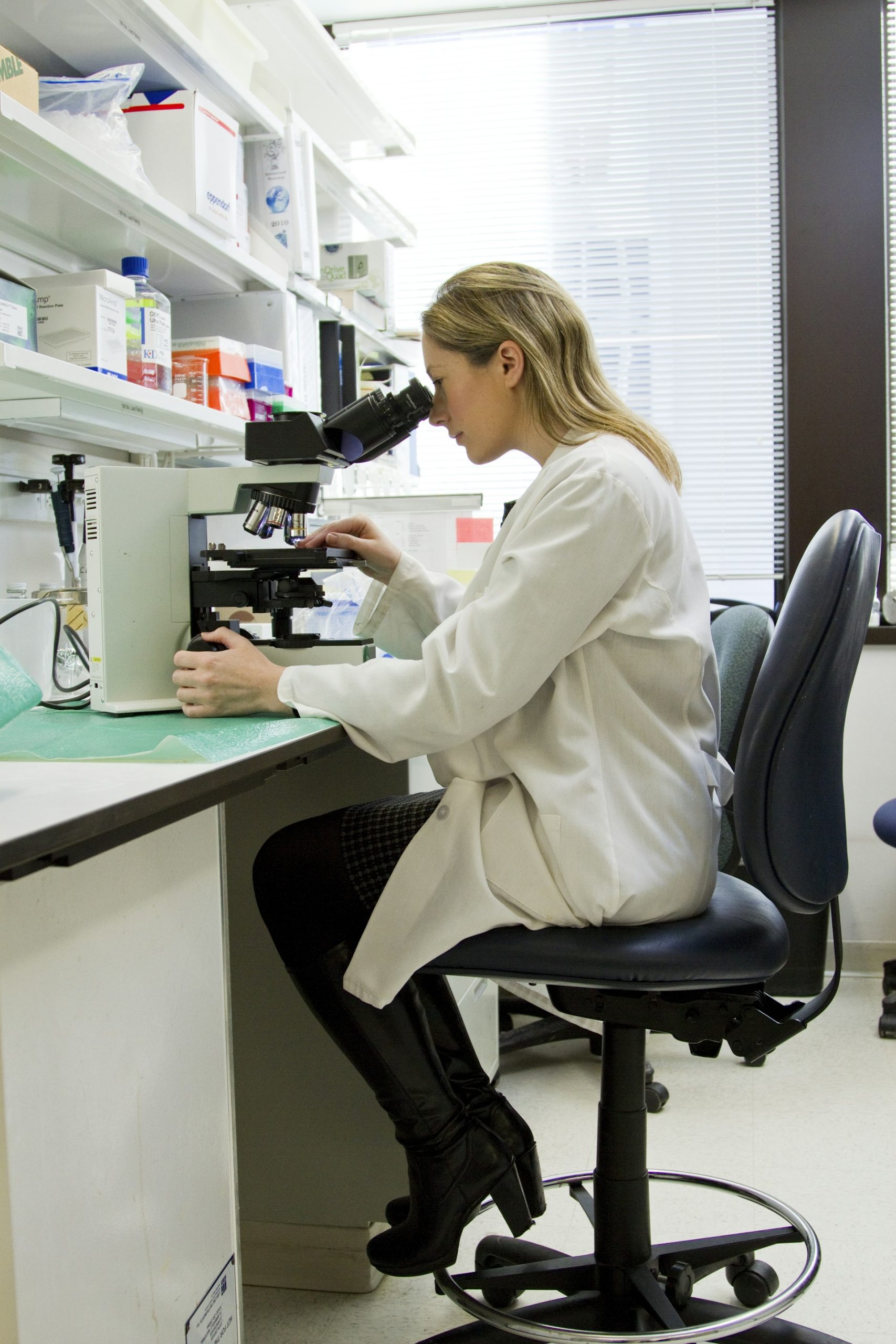

Photo by National Cancer Institute on Unsplash
When a woman walks into a doctor’s office with a set of symptoms, the treatment plan she receives is often based on data collected from clinical trials that have not fully accounted for her unique biological makeup or lived experiences. This is not a new problem; it’s a longstanding issue that has roots in the history of medical research.
Historical Exclusion of Women from Clinical Trials
For much of the 20th century, women were systematically excluded from participating in clinical trials. The reasons cited at the time included concerns about reproductive health risks, hormonal fluctuations that could skew data, and the assumption that male bodies were a “default” for human biology. This exclusion meant that many medications and treatments were tested primarily on men, leading to gaps in knowledge about how these interventions work in women.
For example, studies on heart disease-long considered a “male” condition-failed to include enough women until the 1990s. As a result, women often present with different heart attack symptoms than men, but these symptoms were not well-recognized by healthcare providers for years, leading to delayed treatment and higher mortality rates among women. Even today, women are 50% more likely to be misdiagnosed after a heart attack compared to men, a statistic directly tied to the historical lack of gender-inclusive research.

Photo by Julia Koblitz on Unsplash
Biological Factors Overlooked in Trial Design
Even when women are included in trials today, many studies do not account for key biological differences that can impact treatment outcomes. Hormonal cycles, for instance, can affect how the body metabolizes drugs, but few trials stratify data by menstrual cycle phase or menopausal status. This means that women may receive dosages that are either too high or too low, leading to adverse effects or reduced efficacy.
Another overlooked factor is the presence of comorbidities that are more common in women, such as autoimmune diseases or chronic pain conditions. Trials often exclude participants with multiple health issues, which means that the results may not be applicable to the majority of women seeking care in real-world settings. For example, a trial for a new arthritis medication that excludes women with fibromyalgia- a condition that affects 90% women-will not provide useful data for the millions of women living with both conditions.
Social Determinants and Access Barriers
Beyond biological factors, social determinants of health play a significant role in women’s ability to participate in clinical trials. Women are more likely to be primary caregivers for children or elderly family members, making it difficult to attend multiple trial appointments or adhere to strict study protocols. Additionally, financial barriers-such as lack of transportation or time off work-can prevent women from accessing trial opportunities, especially those from low-income or marginalized communities.
These barriers lead to a lack of diversity in trial participants, which means that the results may not be generalizable to women of different racial, ethnic, or socioeconomic backgrounds. For example, Black women are 2-3 times more likely to experience preeclampsia than white women, but they are underrepresented in trials for treatments for this condition, leaving gaps in knowledge about effective care for this group. Similarly, Latinx women have higher rates of gestational diabetes, but few trials focus on their unique risk factors or treatment needs.
Current Efforts to Address Gaps
In recent years, there has been a growing recognition of these gaps, and some steps have been taken to improve inclusion in clinical trials. The National Institutes of Health (NIH) now requires that trials funded by the agency include women and underrepresented minorities in their participant pools, and that data is analyzed by gender and race. Additionally, some pharmaceutical companies have started to design trials that specifically target women’s health issues, such as polycystic ovary syndrome (PCOS) or endometriosis.
However, these efforts are still in their early stages, and there is much work to be done. Many trials still do not collect data on gender-specific outcomes, and there is a lack of funding for research into conditions that disproportionately affect women. Additionally, there is a need for more community outreach to ensure that women from all backgrounds are aware of trial opportunities and can participate without facing unnecessary barriers. For example, offering virtual appointments or childcare support during trial visits can make a significant difference in increasing participation rates among women.
The Path Forward for Inclusive Research
To close the gaps in women’s health research, a multi-faceted approach is needed. First, trial designers must prioritize gender-inclusive study design, including stratifying data by hormonal status and including participants with comorbidities. Second, researchers must address social barriers to participation by offering flexible appointment times, transportation stipends, and childcare support. Third, there must be increased funding for research into women’s health issues, including conditions that are often dismissed or understudied, such as chronic pelvic pain or postpartum depression.
Finally, healthcare providers and policymakers must work together to ensure that the data from inclusive trials is translated into clinical practice. This means updating treatment guidelines to reflect gender-specific findings and educating healthcare providers about the unique needs of women patients. By taking these steps, we can build a more equitable healthcare system that serves all women, regardless of their background or health status.
As we continue to advance medical research, it is critical that we do not leave women behind. Every woman deserves access to care that is based on data collected from people like her, and every woman deserves to have her health needs taken seriously. By addressing the gaps in clinical trials, we can ensure that future medical advances benefit everyone, not just a select few. This is not just a matter of equity; it’s a matter of saving lives and improving the quality of life for millions of women around the world.