
The Hidden Health Dangers of Ultra-Processed Foods: What Science Reveals
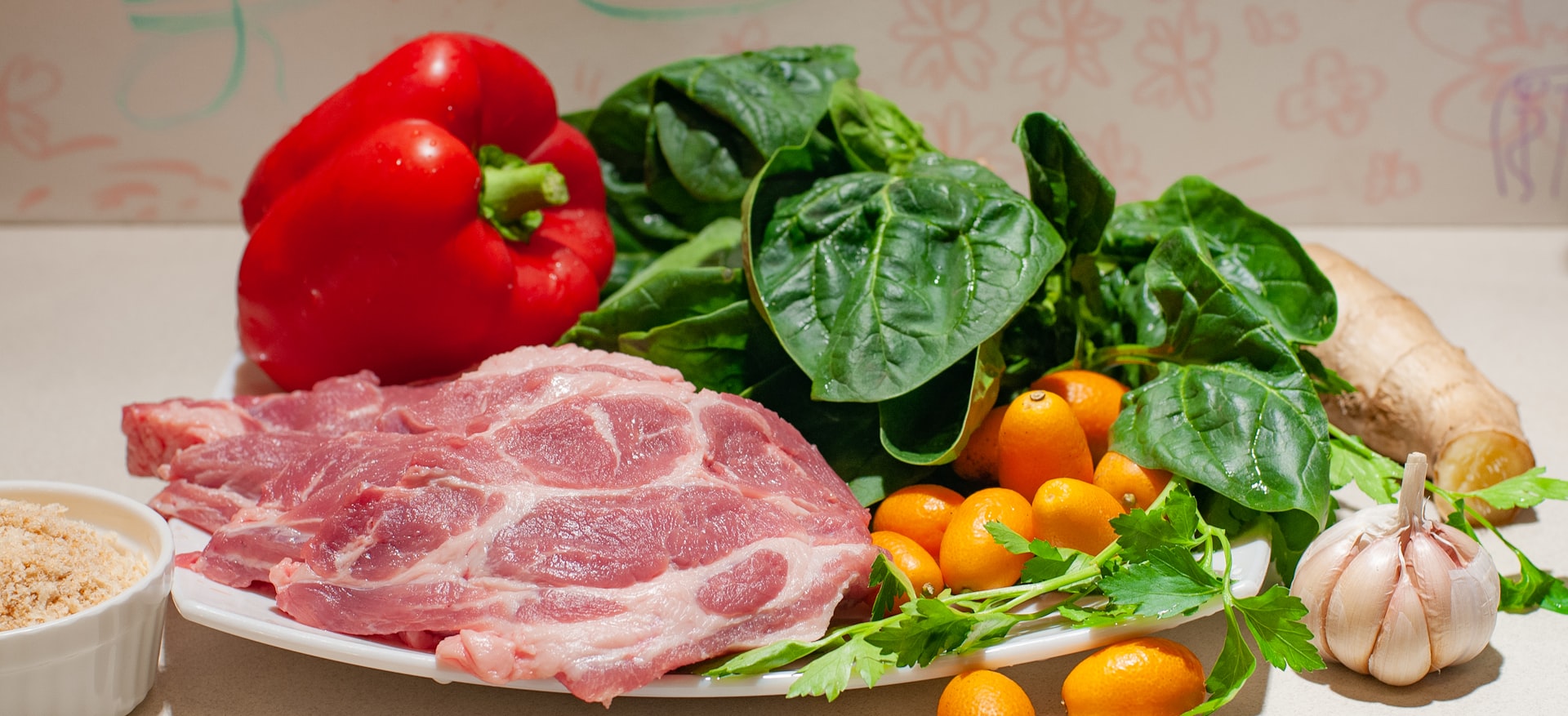

Photo by Natalia Gusakova on Unsplash
What Are Ultra-Processed Foods?
Ultra-processed foods (UPFs) are industrially formulated products made mostly from substances extracted from foods, derived from food constituents, or synthesized in laboratories. They often include ingredients like hydrogenated oils, high-fructose corn syrup, flavoring agents, and emulsifiers not typically used in home cooking. Examples include potato chips, sugar-sweetened drinks, processed meats, French fries, sugary breakfast cereals, and many packaged snacks. These foods dominate the U.S. diet, with estimates showing that about 70% of packaged products are ultra-processed, and children derive over 60% of their calories from them. [1] Unlike minimally processed foods like fresh fruits or whole grains, UPFs are designed for convenience, long shelf life, and palatability, but this comes at a cost to health.
The NOVA classification system, widely used in research, categorizes foods into four groups based on processing extent, placing UPFs in group 4 as the most processed. These foods are energy-dense, high in added sugars, unhealthy fats, and sodium, while low in fiber and essential nutrients. A key issue is their hyper-palatability-UPFs are engineered to be so tasty that people eat faster and consume more calories without realizing it. This leads to overeating, as demonstrated in controlled studies where participants on UPF diets ingested about 500 more calories daily than on unprocessed diets, even when meals were matched for macronutrients. [2]
Understanding UPFs starts with reading labels. Look for long ingredient lists with unfamiliar additives like maltodextrin, artificial sweeteners, or modified starches. Real-world examples include most sodas, instant noodles, and pre-packaged meals. By recognizing these, individuals can make informed choices to shift toward whole foods, reducing exposure to potential health risks over time.
Key Health Impacts: From Weight Gain to Chronic Diseases
Scientific evidence links high UPF consumption to numerous adverse health outcomes. A comprehensive 2024 review in the
British Medical Journal
analyzed 45 studies with nearly 10 million participants, finding associations between UPFs and 32 health conditions, including heart disease, type 2 diabetes, mental health disorders, obesity, and all-cause mortality.
[3]
Observational studies consistently show higher UPF intake correlates with obesity, cardiovascular issues, certain cancers, depression, and gastrointestinal disorders, though causation is harder to prove without interventions.
[4]
One direct mechanism is excessive calorie intake. In a landmark randomized controlled trial at the NIH Clinical Center, 20 healthy adults ate either ultra-processed or unprocessed meals for two weeks each. Despite matching for calories, macros, and sodium, the UPF group consumed 500 extra calories daily, ate faster, and gained an average of 2 pounds, while the unprocessed group lost 2 pounds. This study provided the first causal evidence that UPFs drive overconsumption and weight gain. [2] Participants reported similar satisfaction with both diets, yet UPFs led to mindless eating due to their texture, flavor, and rapid digestibility.
Beyond calories, UPFs displace nutrient-dense foods, leading to deficiencies in vitamins, minerals, polyphenols, and fiber. This contributes indirectly to diseases via poor metabolic health and inflammation. Additives like emulsifiers may disrupt the gut microbiome, though evidence is mostly observational and confounded by low fiber intake. Contaminants from packaging, such as bisphenols and microplastics, add further risks. Challenges include UPFs’ affordability and convenience; solutions involve meal prepping and shopping the store perimeter for fresh produce.
Links to Mortality and Specific Diseases
High UPF intake elevates mortality risk. A Harvard-led study of over 100,000 participants found those eating the most UPFs (about 7 servings daily vs. 3) had a 4% higher all-cause mortality and 8% higher neurodegenerative disease mortality. Processed meats showed the strongest link, followed by sugary beverages, dairy desserts, and ultra-processed breakfast foods. [5] Cardiovascular disease, type 2 diabetes, and cancer risks rise with UPF-heavy diets, as noted by U.S. agencies like HHS, FDA, and USDA. [1]
Mental health suffers too, with ties to depression possibly from blood sugar spikes, inflammation, or nutrient gaps. Neurological risks may stem from vascular damage or additives. Case studies highlight population-level impacts: in the U.S., UPFs comprise over half of calories, correlating with obesity epidemics. To mitigate, track intake using apps like MyFitnessPal, aiming to limit UPFs to under 10-20% of calories. Alternatives include home-cooked versions, like air-fried potatoes instead of chips.
How to Reduce Ultra-Processed Foods in Your Diet
Reducing UPFs requires practical steps. First, audit your pantry: discard or donate high-UPF items like sugary cereals and sodas. Shop with a list focused on whole foods-vegetables, fruits, legumes, nuts, eggs, yogurt, lean proteins, and whole grains. Cook in batches: prepare overnight oats with fresh fruit instead of packaged bars, or grill chicken with veggies over frozen meals. Challenges like time constraints can be addressed by simple recipes under 30 minutes, such as smoothies blending spinach, banana, yogurt, and nuts.
Step-by-step plan: 1) Identify UPFs via labels-avoid 5+ ingredients or additives. 2) Replace gradually: swap chips for air-popped popcorn, soda for infused water. 3) Eat mindfully to eat slower. 4) Build habits with weekly meal plans. Evidence shows even modest reductions yield benefits; the NIH trial reversed weight gain by switching diets. Budget tips: buy seasonal produce and bulk grains. Track progress weekly, adjusting for plateaus. Community support via cooking classes or apps reinforces change.

Photo by Brad on Unsplash
Potential hurdles include cravings from UPFs’ engineered appeal. Counter with fiber-rich swaps to stabilize blood sugar. Families can involve kids by making meals fun, like veggie pizza on whole-grain crust. Long-term, policy changes like better labeling aid population shifts, but individual action starts now.
Benefits of Cutting Back and Final Thoughts
Shifting from UPFs promotes weight management, stable energy, better mood, and lower disease risk. Studies affirm causality for calorie control and weight loss on whole-food diets. [3] While access to fresh foods varies, small changes compound. Consult professionals for personalized advice, especially with conditions like diabetes. Prioritizing whole foods empowers health control amid a processed food landscape.
References
[1] USDA (2025). HHS, FDA and USDA Address the Health Risks of Ultra-Processed Foods.
[2] NIH CC (2019). First randomized, controlled study finds ultra-processed diet leads to weight gain.
[3] Yale Medicine. Are Ultraprocessed Foods Bad for Your Health?
[4] UC Davis (Recent). What are ultra-processed foods and how do they impact our health?
[5] Harvard T.H. Chan (2024). Ultra-processed foods-some more than others-linked to early death.