
The Growing Prevalence of Autoimmune Conditions: Unpacking Potential Environmental Triggers
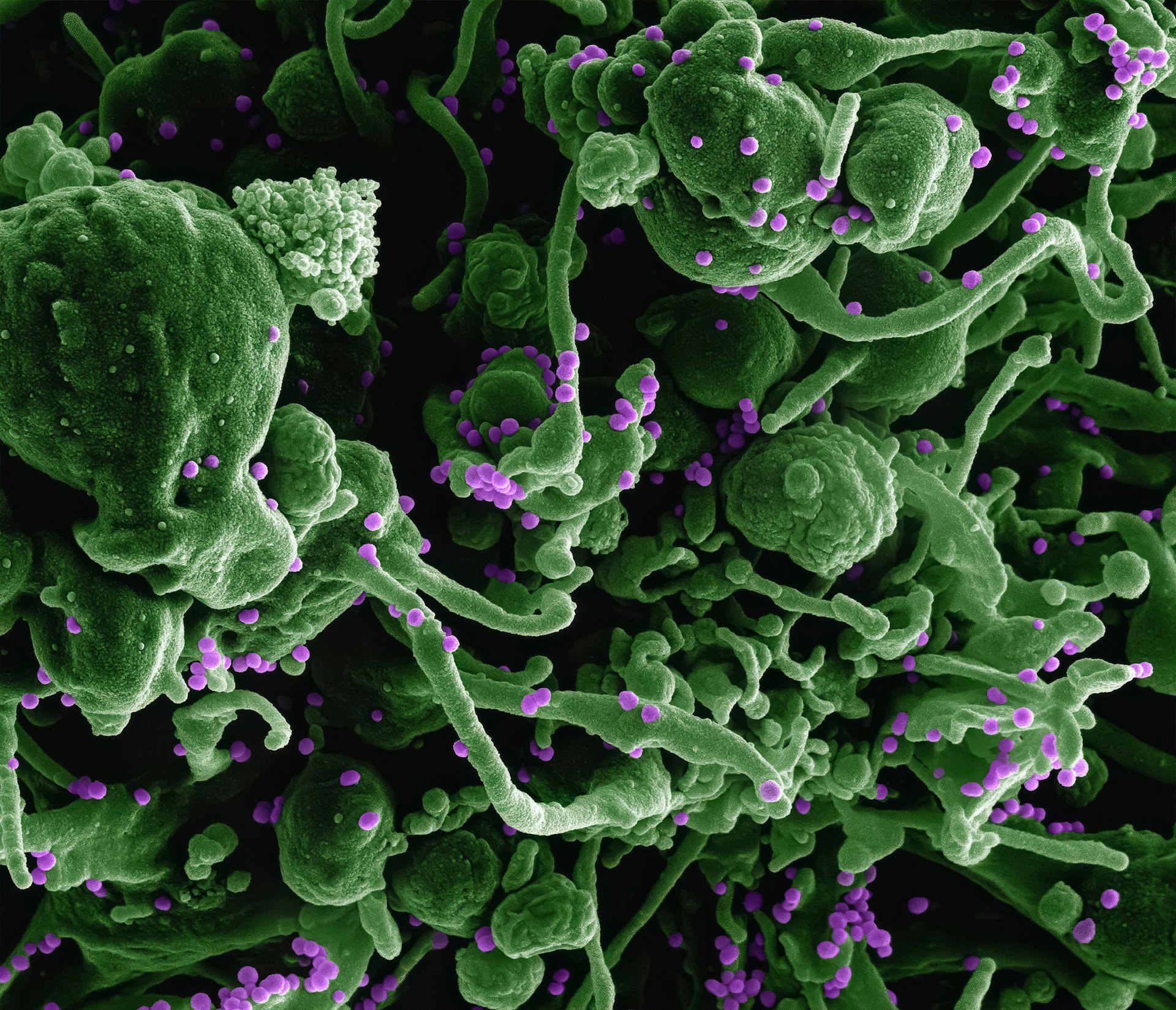

Photo by National Institute of Allergy and Infectious Diseases on Unsplash
Autoimmune diseases occur when the body’s immune system mistakenly attacks its own healthy cells and tissues, leading to chronic inflammation and damage. Conditions ranging from rheumatoid arthritis and type 1 diabetes to lupus and multiple sclerosis fall under this umbrella, and their global prevalence has been on a steady climb over the past 50 years. While genetic factors play a role in susceptibility, the rapid increase cannot be explained by genetics alone, pointing to environmental influences as key contributors.
Air Pollution and Immune System Disruption
Studies have linked long-term exposure to fine particulate matter (PM2.5), nitrogen oxides, and other air pollutants to an increased risk of autoimmune diseases. These pollutants can penetrate deep into the respiratory system, entering the bloodstream and triggering systemic inflammation. For example, a 2021 study published in the
Journal of the American Medical Association
found that individuals living in areas with high PM2.5 levels had a 20% higher risk of developing rheumatoid arthritis compared to those in cleaner regions. Pollutants may also alter the immune system’s regulatory mechanisms, reducing its ability to distinguish between self and non-self cells.
Chemical Exposures in Daily Life
Everyday products often contain a range of synthetic chemicals that may disrupt immune function. Pesticides used in agriculture, for instance, have been associated with an increased risk of autoimmune thyroid diseases. A 2019 study in
Environmental Health Perspectives
noted that farmers exposed to organophosphate pesticides were 30% more likely to develop Hashimoto’s thyroiditis. Similarly, phthalates and bisphenol A (BPA), common in plastic products, food packaging, and personal care items, can mimic hormones and interfere with immune regulation. These chemicals may also alter the gut microbiome, which plays a critical role in maintaining immune tolerance.
Dietary Shifts and Microbiome Imbalance
Modern dietary patterns, characterized by high intake of processed foods, sugar, and saturated fats, have been linked to changes in the gut microbiome. The gut is home to trillions of bacteria that help regulate the immune system, and disruptions to this community (dysbiosis) can increase the risk of autoimmune diseases. For example, a diet low in fiber reduces the production of short-chain fatty acids, which are essential for maintaining the integrity of the gut barrier. When this barrier is compromised, undigested food particles and bacteria can leak into the bloodstream, triggering an immune response that may lead to autoimmune conditions. Additionally, the widespread use of antibiotics in both humans and livestock has further contributed to microbiome disruption by killing beneficial bacteria.
Stress and Immune Function
Chronic stress is another factor that may contribute to the rise of autoimmune diseases. When the body is under prolonged stress, it releases cortisol, a hormone that suppresses the immune system in the short term but can lead to dysregulation over time. This dysregulation may increase the risk of autoimmune reactions. A 2020 study in
Psychoneuroendocrinology
found that individuals with a history of severe chronic stress were twice as likely to develop an autoimmune disease compared to those with low stress levels. Stress may also exacerbate existing autoimmune conditions by increasing inflammation and worsening symptoms.
Climate Change and Emerging Risks
Climate change is also emerging as a potential contributor to the rise of autoimmune diseases. Rising temperatures and changing precipitation patterns can alter the distribution of infectious diseases, which may trigger autoimmune reactions in genetically susceptible individuals. For example, exposure to certain viruses and bacteria has been linked to the development of type 1 diabetes and multiple sclerosis. Additionally, climate change can increase the frequency of extreme weather events, which may lead to increased stress and exposure to environmental toxins, further disrupting immune function.

Photo by National Institute of Allergy and Infectious Diseases on Unsplash
Understanding the complex interactions between genetic predispositions and environmental factors is crucial for developing effective prevention and treatment strategies for autoimmune diseases. While much remains unknown, ongoing research is shedding light on the role of environmental triggers, and public health efforts to reduce exposure to harmful pollutants, promote healthy dietary patterns, and manage stress may help mitigate the risk of these conditions. As researchers continue to explore these connections, it is important for individuals to stay informed about potential risk factors and take proactive steps to support their immune health.