Navigating the Evolution of Personal Health Monitoring Devices and Vital Sign Tracking
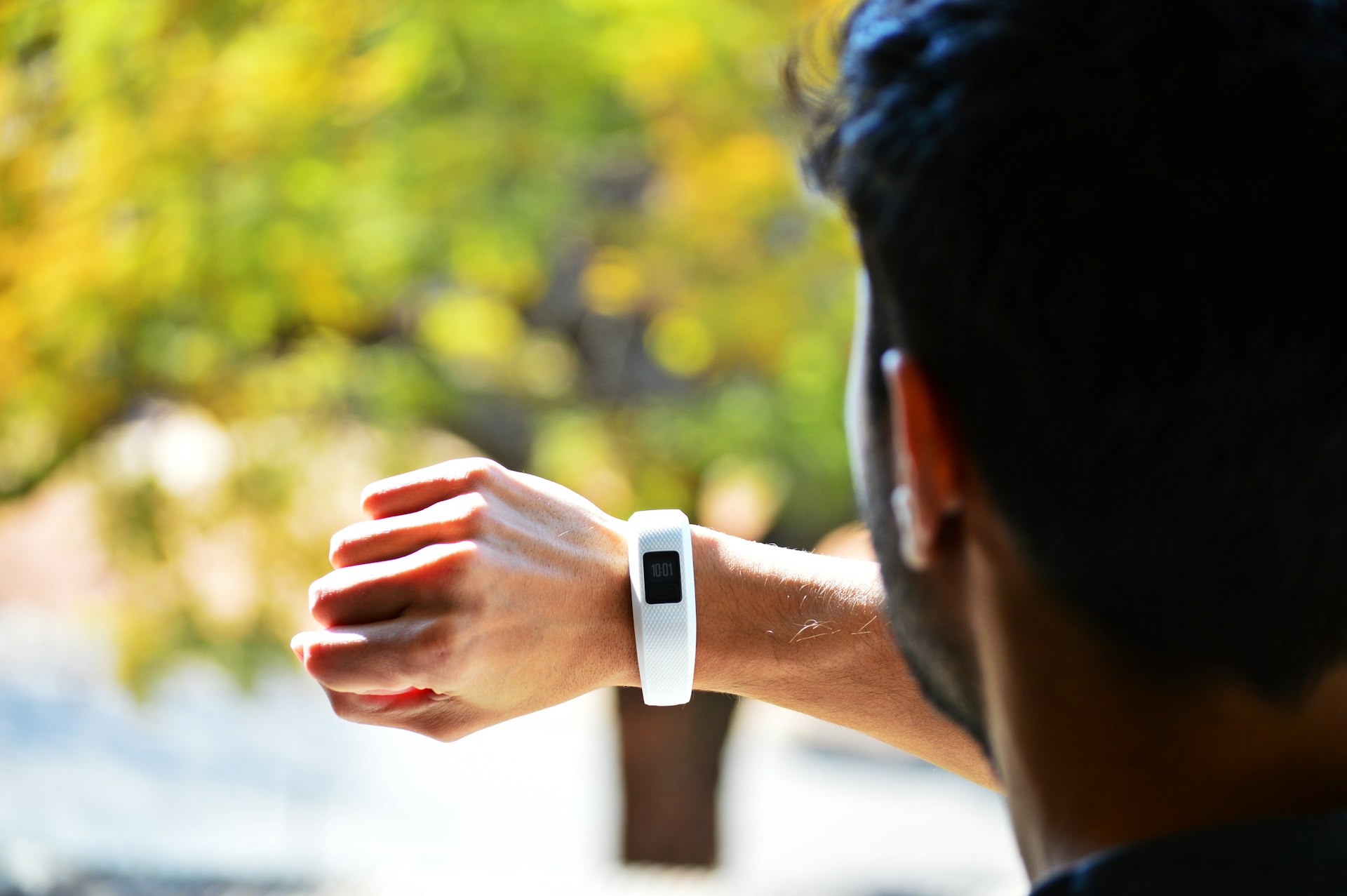

Photo by FitNish Media on Unsplash
The Shift to At-Home Health Monitoring
For decades, health monitoring was largely confined to clinical settings, where healthcare providers used specialized equipment to measure vital signs like heart rate, blood pressure, and blood glucose. In recent years, however, a quiet revolution has taken place, with devices that fit on the wrist, finger, or even under the skin making it possible for individuals to track these metrics in real time, wherever they are. This shift has not only empowered people to take more control over their health but has also created new opportunities for healthcare providers to deliver more personalized care.

Photo by Vitaly Gariev on Unsplash
Early wearable devices focused on basic metrics, such as step count and calories burned. These tools, popularized by brands like Fitbit and Nike, introduced the concept of quantifying daily activity to a mainstream audience. Over time, advances in sensor technology have expanded the capabilities of these devices. Today, many wearables can track heart rate variability (HRV), a measure of the time between heartbeats that can indicate stress levels and overall cardiovascular health. They can also monitor sleep stages, including deep sleep, light sleep, and REM sleep, providing insights into the quality of rest rather than just duration.
Decoding Biometric Data: What Do the Numbers Mean?
One of the biggest challenges for users of wearable health tech is understanding what the data they collect actually means. For example, a high HRV reading might suggest that the body is adapting well to stress, while a low reading could indicate fatigue or overtraining. Similarly, sleep stage data can help users identify patterns that might be affecting their energy levels, such as frequent awakenings during the night. However, it’s important to note that these devices are not medical tools, and their readings should be used as a starting point for conversation with a healthcare provider rather than a definitive diagnosis.
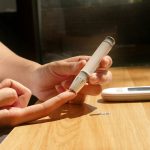
Continuous glucose monitors (CGMs) are a prime example of how biometric data can transform chronic disease management. These devices, which are often worn on the arm, measure blood glucose levels every few minutes, providing real-time alerts when levels are too high or too low. For people with diabetes, this technology eliminates the need for frequent finger pricks and allows for more precise adjustments to insulin doses. Studies have shown that using CGMs can lead to better blood glucose control, reducing the risk of long-term complications like kidney disease and nerve damage.
Privacy and Data Security: Balancing Convenience and Protection
As wearable devices collect more sensitive health data, concerns about privacy and security have grown. Most devices store data in the cloud, where it can be accessed by the user and, in some cases, shared with healthcare providers or third-party apps. However, this data is vulnerable to hacking and unauthorized access, which could have serious consequences for users. In the United States, the Health Insurance Portability and Accountability Act (HIPAA) regulates the use and disclosure of protected health information (PHI) by healthcare providers and insurers, but many wearable tech companies are not subject to HIPAA, meaning they may have different data privacy policies.
To protect their data, users should take steps like using strong, unique passwords for their device accounts, enabling two-factor authentication, and reviewing the privacy policies of any apps or services they use to share their data. It’s also important to be aware of how data is being used: some companies may sell anonymized data to researchers or advertisers, while others may use it to improve their products. By understanding these practices, users can make informed decisions about which devices and services to trust.
Bridging the Gap Between Consumer Tech and Clinical Care
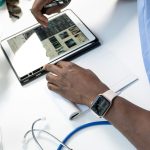
In recent years, there has been a growing push to integrate wearable data into clinical care. Many healthcare providers now encourage patients to share their wearable data during appointments, as it can provide a more complete picture of their health between visits. For example, a patient with hypertension might use a wearable blood pressure monitor to track their readings at home, allowing their doctor to adjust their medication more effectively. Similarly, athletes recovering from injuries can use wearables to track their activity levels and ensure they are not pushing themselves too hard.
Some hospitals and clinics have even started using wearable devices to monitor patients after they are discharged. For example, a patient who has had heart surgery might wear a device that tracks their heart rate and activity levels, sending alerts to their care team if there are any concerning changes. This approach can help reduce readmission rates and improve patient outcomes, as it allows for early intervention if a problem arises.
The Future of Wearable Health Tech
Looking ahead, the future of wearable health tech is likely to be shaped by advances in artificial intelligence (AI) and machine learning. These technologies can analyze large amounts of biometric data to identify patterns and predict potential health issues before they become serious. For example, an AI-powered wearable might detect early signs of atrial fibrillation (a type of irregular heartbeat) by analyzing heart rate data, allowing users to seek medical attention before they experience any symptoms.
Another area of growth is in wearable devices that can track more advanced metrics, such as blood alcohol levels, hydration status, and even early signs of cancer. While these technologies are still in the early stages of development, they have the potential to revolutionize how we monitor and manage our health. Additionally, the integration of wearables with other smart devices, such as smart home systems, could create a more holistic approach to health management, where devices work together to support healthy habits.
As wearable health tech continues to evolve, it’s important for users to approach these tools with a critical eye. While they can provide valuable insights into health and well-being, they are not a replacement for professional medical care. By using these devices to complement, rather than replace, regular doctor visits, users can make the most of the benefits they offer while minimizing the risks.