Bridging Gaps in Healthcare: The Evolution of Remote Patient Care Solutions


Photo by Vitaly Gariev on Unsplash
The Foundations of Remote Care
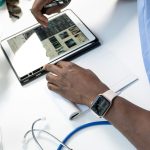
Long before the widespread adoption of smartphones and high-speed internet, early forms of remote healthcare existed in the form of telephone consultations and radio-based medical advice. However, the 21st century brought a paradigm shift, as broadband connectivity and portable medical devices allowed for real-time, interactive exchanges between patients and providers. Today, these solutions enable everything from video-based primary care visits to remote monitoring of vital signs, such as blood pressure, glucose levels, and heart rate.
One of the key drivers of this growth has been the increasing prevalence of chronic conditions, which require ongoing management rather than one-time treatments. For patients with diabetes, hypertension, or respiratory diseases, regular check-ins are critical to preventing complications. Remote care eliminates the need for frequent, time-consuming trips to a clinic, making it easier for patients to stick to their care plans.
Chronic Disease Management via Digital Platforms
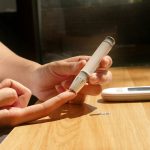
Digital tools designed for chronic disease management have become integral to modern healthcare. For example, patients with type 2 diabetes can use connected glucose meters that automatically send readings to their healthcare team. Providers can review these data points in real time, adjusting medication dosages or lifestyle recommendations without an in-person visit. This proactive approach not only improves patient outcomes but also reduces the risk of emergency hospitalizations, which are often costly and disruptive.
Similarly, individuals with asthma can use smart inhalers that track usage patterns and environmental triggers. These devices sync with mobile apps, providing patients with personalized insights into when their symptoms are most likely to flare up. Clinicians can use this data to refine treatment plans, ensuring that patients have the support they need to manage their condition effectively.
Expanding Access for Underserved Populations
One of the most significant impacts of remote care solutions has been their ability to reach underserved communities. In rural areas, where healthcare facilities are often scarce, patients may have to travel dozens of miles for a routine check-up. Remote visits eliminate this barrier, allowing patients to connect with specialists who may not be available locally. For example, a patient in a remote mountain town can now consult a cardiologist in a major city without leaving their home.

Photo by Nappy on Unsplash
Remote care also benefits individuals with disabilities or limited mobility. For those who use wheelchairs or have difficulty traveling, in-person visits can be physically and emotionally draining. Remote consultations provide a more comfortable alternative, allowing patients to receive care in the familiar surroundings of their home. Additionally, remote care can reduce the financial burden of healthcare, as patients save money on transportation and childcare costs associated with in-person visits.
Challenges and Considerations
While remote care offers numerous benefits, it is not without its challenges. One of the primary concerns is the digital divide, which refers to the gap between individuals who have access to high-speed internet and digital devices and those who do not. For low-income households, elderly individuals, and residents of rural areas, accessing remote care may be difficult or impossible. Addressing this divide requires investment in broadband infrastructure and digital literacy programs to ensure that all individuals can benefit from these innovations.
Another challenge is maintaining the quality of care in a remote setting. While video visits allow for face-to-face interaction, they cannot replace the physical exams that are necessary for certain conditions. For example, a provider may not be able to detect a heart murmur or assess a skin lesion via a video call. As a result, remote care is often used in conjunction with in-person visits, rather than as a complete replacement.
Privacy and security are also important considerations. Remote care involves the transmission of sensitive medical data over the internet, which can be vulnerable to hacking and data breaches. Healthcare providers must take steps to ensure that patient data is protected, such as using encrypted communication platforms and adhering to strict privacy regulations.
Future Directions in Remote Care
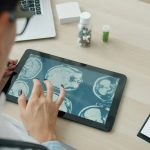
The future of remote care is promising, with ongoing innovations in artificial intelligence and wearable technology. AI-powered tools can analyze patient data to identify patterns and predict potential health issues, allowing providers to intervene early. For example, an AI algorithm can detect changes in a patient’s blood pressure readings that may indicate an increased risk of stroke, prompting a provider to reach out to the patient for a follow-up.
Wearable devices are also becoming more advanced, with the ability to monitor a wider range of vital signs. For example, smart watches can now track heart rate variability, sleep quality, and even electrocardiograms (ECGs). These devices provide patients with real-time insights into their health, empowering them to take a more active role in their care.
As remote care continues to evolve, it is likely to become an increasingly integral part of the healthcare system. By expanding access to care, improving patient outcomes, and reducing costs, remote care has the potential to transform how we approach wellness and medical treatment. However, it is important to address the challenges associated with remote care to ensure that it is accessible and effective for all individuals. This includes ongoing collaboration between healthcare providers, technology companies, and policymakers to create a sustainable, equitable remote care ecosystem that prioritizes patient needs and safety.