
How Do I Find Package Delivery Jobs With Own Car?

Package delivery jobs with own car are listed on delivery apps, courier-company career pages, and local contractor boards. Check whether each role accepts a personal vehicle, then compare pay, route details, miles, insurance terms, and scheduling before applying. Your take-home pay depends on more than the advertised rate: count pickup and return miles, vehicle costs, and taxes.
How can I find package delivery jobs that let me use my own car?
Find these jobs by searching delivery apps, courier and express-delivery companies, and local contractor listings, then confirm that the specific opening accepts a personal vehicle. Search by your location and terms such as “courier,” “independent driver,” and “own vehicle.” The BLS notes that some freelance or independent driver/sales workers use smartphone apps to find delivery work, and some drivers use their own vehicles.
Read the listing for the work arrangement, pay basis, schedule, vehicle standard, and route details. “Delivery driver” alone does not establish that you provide the car. Ask whether the job is paid per hour, route, or block; whether mileage or expenses are reimbursed; and whether the listed time includes pickup and return travel.
Amazon Flex is one app-based option, but availability and terms vary by market. Compare its offered blocks with local courier and contractor postings. Local employers may describe fixed or recurring schedules, while app listings present opportunities through the platform; the actual terms must come from the current listing or recruiter.
For a broader search, see How Do I Find Courier Jobs With Own Car? A useful application sequence is to check vehicle eligibility, gather license and registration details, clarify insurance, and then assess route economics before accepting work.
| Option | What to compare | Question to ask |
|---|---|---|
| Delivery app, including Amazon Flex | Block or route pay, schedule, pickup location, mileage detail, vehicle rules | What does the offer disclose about route length and coverage? |
| Local courier or contractor | Pay structure, regularity of work, vehicle costs, route and time expectations | Are all route miles and waiting time included in the pay terms? |
How much does Amazon pay to deliver packages in my own car?
Amazon Flex pay depends on the offer and market; the research sources provided do not establish a single current Amazon rate. Treat the amount shown for a specific block as gross pay, then estimate costs using the route’s total miles and time rather than assuming the advertised hourly equivalent is take-home income.
A practical estimate starts with the offer amount, subtracts business vehicle costs and taxes, and divides what remains by total work hours. Include the drive to pickup and any return miles, not only the miles spent carrying packages. If mileage is not clear, ask how many miles the route typically covers and whether the estimate includes travel to and from the pickup point.
The BLS reports a 2025 national median hourly wage of $18.85 and mean hourly wage of $19.70 for couriers and messengers. That occupation includes delivery by automobile and other modes, so these figures are labor-market context, not an Amazon Flex rate or a guaranteed app-driver earning.
For example, use this calculation without assuming a standard route: net estimate = gross offer − fuel − maintenance − insurance allocation − other vehicle costs − estimated taxes. Divide that result by total time, including required pickup and return travel. Compare offers with the same method.
What are the requirements to deliver packages with my own vehicle?
Requirements vary by employer and platform, so confirm the listing’s vehicle, license, driving-record, and insurance rules before applying. The BLS says typical entry requirements for delivery truck drivers and driver/sales workers include a driver’s license and clean driving record; related work experience is generally not required, and training is typically short-term. Those occupation-wide guidelines do not replace a specific company’s rules.
Use a vehicle-readiness check before accepting a route:
- Confirm your driver’s license and vehicle registration meet the listing’s requirements.
- Ask the insurer whether personal coverage applies to paid delivery and whether an endorsement or commercial policy is needed.
- Read the platform or company coverage terms, including when coverage starts and ends.
- Check the listing’s vehicle-condition standards and whether the vehicle can handle its route and package load.
- Ask whether the quoted route mileage includes travel to pickup and the return trip.
The Texas Department of Insurance warns that personal auto policies differ: some cover paid delivery, while others exclude business driving. Company coverage can also leave gaps, such as the drive to pickup, the return trip, or personal detours. Tell the insurer about business use and ask exactly which trips, vehicle, and delivered goods are covered.
For a route with uncertain mileage, ask the recruiter how distance is estimated, whether route length changes, and how waiting or added stops are handled. During an initial shift, record start and end times, odometer readings, fuel, tolls, parking, and any unpaid travel. Those records turn a vague promise into a comparison you can use.
Can I get package delivery work with my own car and no experience?
Yes, some package delivery work does not require related experience, though each app or employer sets its own qualification rules. The BLS lists “None” for related work experience in its delivery truck driver and driver/sales worker occupational profile, and says training is typically short-term. A valid license and clean driving record are typical entry requirements in that profile.
That evidence supports applying for entry-level roles, not assuming every listing will accept every applicant or vehicle. Review the screening steps and vehicle rules, then answer application questions accurately. A listing may set requirements beyond the broad occupational profile.
Do not read “no experience” as “no costs.” The BLS’s occupational wage figures describe employed couriers and messengers broadly, while an own-car driver must also account for business vehicle expenses. The IRS allows eligible self-employed drivers to calculate business vehicle deductions using the standard mileage rate or actual expenses, subject to rules. Actual expenses can include the business-use share of fuel, repairs, insurance, registration, and depreciation or lease payments.
When using a car for both personal and business trips, separate the mileage and keep adequate records. The IRS says expenses need substantiation through adequate records or sufficient evidence. That recordkeeping also helps reveal whether a route’s gross pay leaves enough after the car’s share of the work.
Frequently Asked Questions
How do I compare delivery pay after gas, maintenance, and insurance?
Record all business miles, including the drive to pickup and any return travel, and track fuel, maintenance, insurance, tolls, and parking. Divide the amount left after vehicle costs and taxes by total working time to compare routes on the same basis. The IRS requires adequate records for vehicle expenses.
Does my personal car insurance cover package delivery work?
Coverage depends on the policy; some personal policies cover paid delivery and others exclude business driving. Tell your insurer about delivery work, ask whether the vehicle and goods are covered, and check when any company policy applies, including pickup and return trips.
Are local courier companies or delivery apps better for using my own car?
Neither option is always better. Apps can offer app-based access to delivery opportunities, while local courier listings may spell out different schedules, pay structures, and route terms. Compare the actual offer, vehicle requirements, mileage, insurance, and schedule in your market.
Sources
Read next
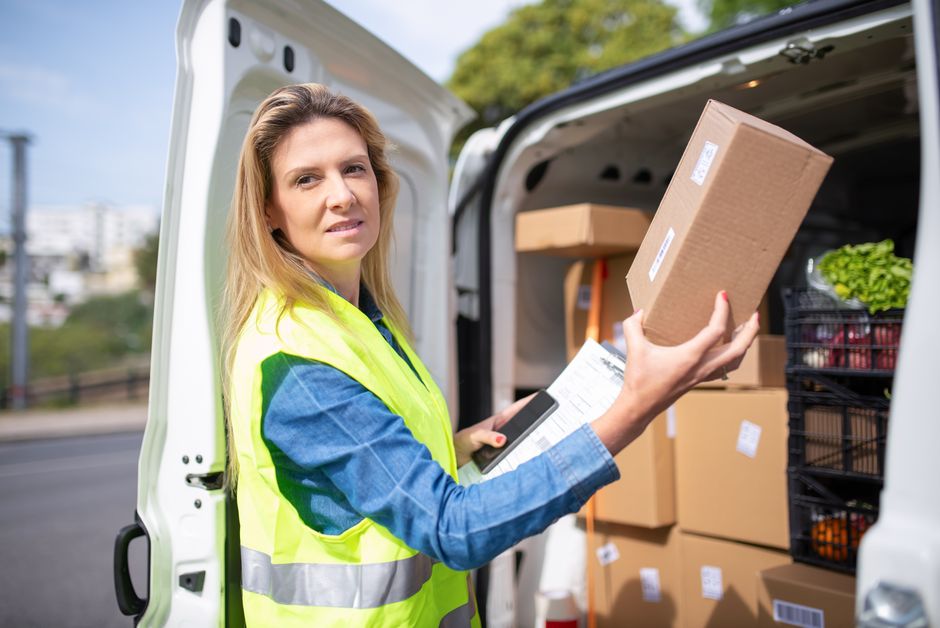
How Do I Find Courier Jobs With Own Car?
Find courier jobs with your own car by checking local openings, route terms, vehicle rules, and net pay after mileage costs.
How Do I Find Personal Car Delivery Jobs?
Find personal car delivery jobs by comparing local listings, vehicle costs, insurance coverage, reimbursement, and schedule.
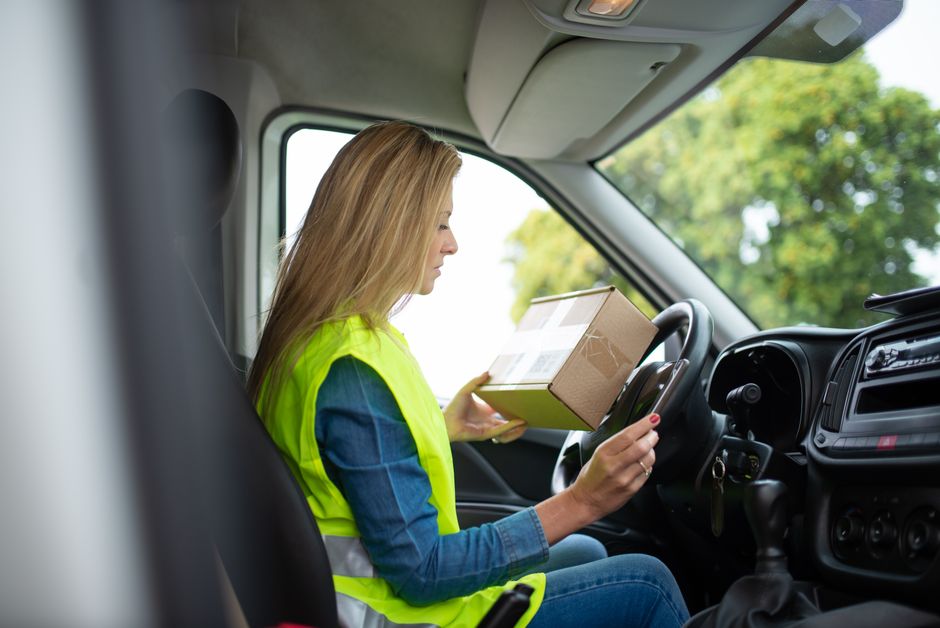
How Can I Find Car Delivery Driver Jobs?
Find car delivery driver jobs, compare pay after expenses, and check license, insurance, route, and vehicle requirements before applying.

How Can I Build a Graphic Design Portfolio for an Internship With Only Student Projects?
Build a credible graphic design internship portfolio from class and self-initiated projects with clear process, attribution, and project selection.