Building Stronger Health Literacy: How to Discern Trustworthy Medical Information
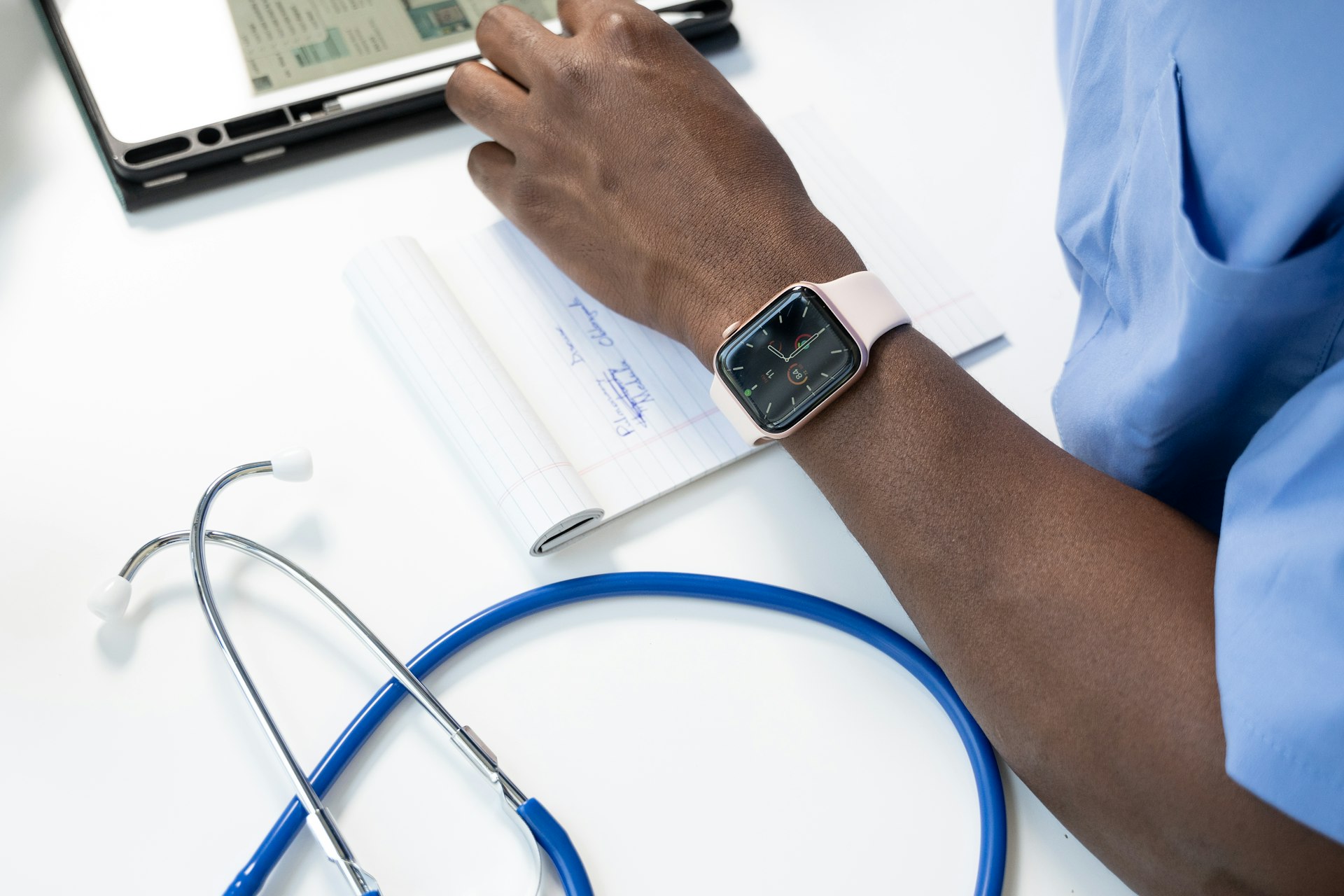

Photo by Nappy on Unsplash
Beyond Basic Understanding: The Depth of Health Literacy
Health literacy is often misunderstood as simply being able to read a prescription label or understand a doctor’s instructions. However, it encompasses a much broader set of skills: the ability to find, evaluate, and apply health information to make informed decisions about one’s care. For many, this means sifting through a deluge of content from social media posts, online forums, news articles, and even well-meaning friends and family members. Each source comes with its own biases, levels of expertise, and potential for inaccuracy, making the task of discerning truth from fiction increasingly challenging.
Research from leading public health organizations shows that low health literacy is linked to poorer health outcomes, including higher rates of hospitalizations and lower adherence to treatment plans. This is because individuals with limited skills in evaluating health information may follow incorrect advice, delay seeking proper care, or misinterpret medical guidance. As such, building robust health literacy is not just a personal skill but a public health priority.
Identifying Red Flags in Medical Content
One of the first steps in navigating medical misinformation is recognizing common warning signs that a piece of content may not be trustworthy. Here are some key indicators to watch for:
- Extreme or sensational claims: Phrases like “cures all diseases” or “miracle treatment” are almost always a red flag. Legitimate medical advances are rarely universal or instant, and they undergo rigorous testing before being recommended.
- Lack of credible sources: If a piece of content does not cite peer-reviewed studies, reputable medical organizations (like the World Health Organization or Centers for Disease Control and Prevention), or board-certified healthcare providers, it should be viewed with skepticism. Personal anecdotes, while relatable, do not constitute scientific evidence.
- Conflicts of interest: Many online influencers or content creators may promote products or treatments in exchange for payment. Look for disclosures about financial ties or sponsorships, as these can compromise the objectivity of the information being shared.
- Outdated information: Medical research evolves rapidly, and what was considered best practice a few years ago may no longer be valid. Always check the publication date of a source and cross-reference with more recent studies to ensure the information is current.
Practical Strategies to Verify Medical Information
Once you’ve identified a potential red flag, there are several practical steps you can take to verify the accuracy of medical content:
First, cross-reference the information with multiple reputable sources. If a claim is only found on one obscure website or social media account, it is likely not reliable. Instead, look for consistency across peer-reviewed journals, government health agencies, and trusted medical institutions.
Second, consult with a healthcare provider. Your doctor or nurse has the training and expertise to evaluate the validity of health information and can provide personalized advice based on your medical history. Even if a claim seems plausible, it’s important to discuss it with a professional before making any changes to your care routine.
Third, use tools designed to evaluate health information. Organizations like the National Library of Medicine offer databases like PubMed, which allow you to search for peer-reviewed studies and read abstracts to get a better understanding of the research behind a claim. Additionally, fact-checking websites focused on health, such as HealthNewsReview.org, can help you identify misinformation and provide context about controversial topics.
The Role of Healthcare Systems in Supporting Health Literacy
While individual action is crucial, healthcare systems also have a responsibility to support health literacy among patients. This includes providing clear, jargon-free information about conditions and treatments, using plain language in medical documents, and offering resources to help patients navigate the healthcare system. Many hospitals and clinics now offer health literacy programs that teach patients how to ask questions, understand their test results, and make informed decisions about their care.
Additionally, healthcare providers can play a key role in addressing misinformation during patient visits. By taking the time to discuss common myths and misconceptions, providers can help patients develop critical thinking skills and avoid falling victim to harmful advice. This not only improves patient outcomes but also strengthens the trust between patients and their care teams.
Fostering a Culture of Critical Health Thinking
Building health literacy is an ongoing process that requires continuous learning and practice. It’s important to approach all health information with a critical eye, even if it comes from a seemingly trustworthy source. By taking the time to verify claims, consult with professionals, and stay informed about the latest medical research, individuals can empower themselves to make better health decisions.

Photo by Etactics Inc on Unsplash
Moreover, fostering a culture of critical thinking around health information can have a ripple effect on communities. When individuals share accurate, verified information with their friends and family, they help to reduce the spread of misinformation and promote better health outcomes for everyone. This collective effort is essential in addressing the growing problem of medical misinformation and building a healthier, more informed society.