Advancements in Early Detection: Evolving Tools for Identifying Cancer at Earlier Stages
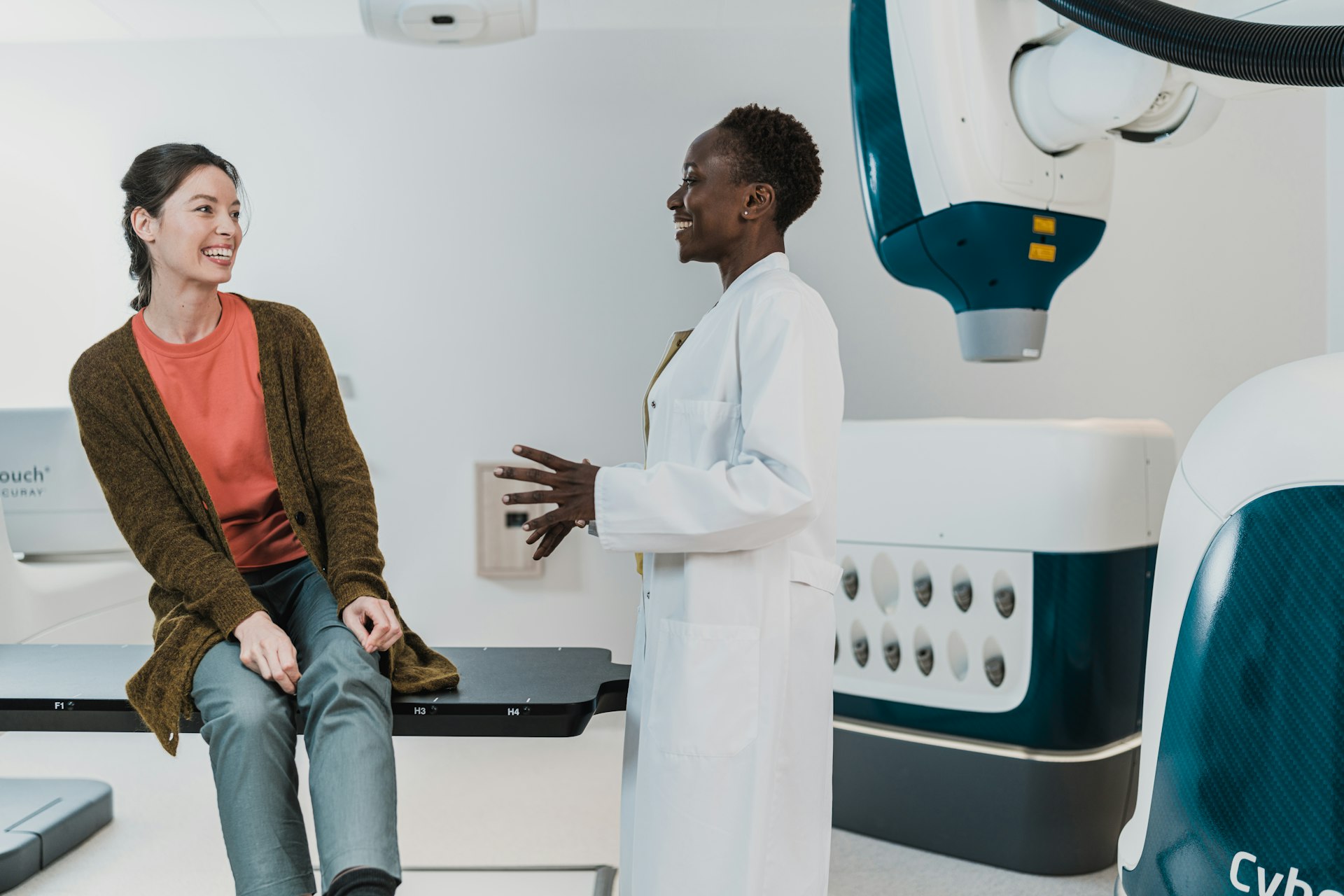

Photo by Accuray on Unsplash
The Shift Toward Proactive Early Detection
For decades, cancer screening has relied on established methods like mammograms, colonoscopies, and Pap smears-tools that have saved countless lives but often come with limitations, such as invasiveness, false positive rates, or the need for specialized equipment and trained personnel. As our understanding of cancer biology and technological capabilities has grown, researchers and clinicians have turned to developing new screening tools that address these gaps, focusing on accuracy, accessibility, and patient comfort.
Traditional screening methods often require patients to schedule appointments at specialized facilities, undergo invasive procedures, or wait weeks for results. This can create barriers for individuals who live in rural areas, have limited access to healthcare, or are anxious about medical procedures. The latest innovations aim to break down these barriers, making it easier for people to get screened regularly and catch potential issues before they become more serious.
Liquid Biopsies: Non-Invasive Sampling for Tumor Biomarkers
One of the most promising areas of development is liquid biopsies, which analyze blood or other bodily fluids to detect traces of cancer cells or genetic material released by tumors. Unlike traditional tissue biopsies, which require a procedure to extract a sample from a suspected tumor site, liquid biopsies can be done with a simple blood draw. This makes them ideal for screening high-risk individuals or monitoring patients who have already been treated for cancer to detect recurrence early.
Liquid biopsies work by looking for circulating tumor cells (CTCs), circulating tumor DNA (ctDNA), or extracellular vesicles that carry genetic information from tumor cells. Recent advancements in next-generation sequencing (NGS) have made it possible to detect even tiny amounts of these biomarkers with high accuracy. For example, some liquid biopsy tests can identify specific mutations associated with common cancers like lung, breast, or colorectal cancer, allowing clinicians to tailor screening and treatment plans to individual patients.
While liquid biopsies are not yet a replacement for all traditional screening methods, they are increasingly being used as a complementary tool. For instance, in patients with a family history of ovarian cancer, liquid biopsies can help detect early signs of the disease when it is most treatable, as ovarian cancer often has no obvious symptoms in its early stages. Additionally, liquid biopsies can be used to monitor how well a patient is responding to treatment, allowing clinicians to adjust the treatment plan if necessary.
AI-Powered Imaging: Enhancing Accuracy in Visual Screenings
Artificial intelligence (AI) is also transforming cancer screening by improving the accuracy of imaging tests like mammograms, CT scans, and MRIs. AI algorithms can analyze medical images faster and more consistently than human radiologists, identifying subtle patterns that may indicate the presence of cancer that could be missed by the naked eye.
For example, AI-powered mammography tools can reduce false positive results by up to 20% in some studies, which means fewer women are called back for unnecessary follow-up tests. This not only reduces patient anxiety but also frees up healthcare resources for those who truly need additional care. AI algorithms can also prioritize high-risk cases, ensuring that patients with suspicious findings are seen by clinicians more quickly.

Photo by Vitaly Gariev on Unsplash
Another area where AI is making an impact is in lung cancer screening. Low-dose CT scans are recommended for individuals who are at high risk of lung cancer due to smoking history, but interpreting these scans can be time-consuming. AI tools can analyze the scans in minutes, identifying small nodules that may be early signs of lung cancer and providing radiologists with a second opinion to confirm their findings. This can help reduce the time it takes to diagnose lung cancer, allowing patients to start treatment sooner.
Breath Analysis: A Non-Invasive Screening Tool
Breath analysis is another emerging technology that shows promise for cancer screening. Cancer cells produce volatile organic compounds (VOCs) that can be detected in a person’s breath. Researchers have developed devices that can analyze these VOCs to identify the presence of certain types of cancer, including lung, breast, and prostate cancer.
Breath tests are completely non-invasive and can be done in a matter of minutes, making them an attractive option for widespread screening. While the technology is still in the early stages of development, recent studies have shown that breath analysis can detect lung cancer with an accuracy rate of up to 90% in some cases. As the technology improves, it could become a routine part of preventive care for high-risk individuals.
One of the key benefits of breath analysis is that it can be used in primary care settings, without the need for specialized equipment or trained personnel. This makes it accessible to individuals who may not have access to more advanced screening tools. Additionally, breath tests are relatively inexpensive, which could help reduce the cost of cancer screening for both patients and healthcare systems.
Multi-Cancer Blood Tests: Screening for Multiple Cancers at Once
Multi-cancer blood tests are a relatively new innovation that can detect signs of multiple types of cancer with a single blood draw. These tests use a combination of biomarkers, including ctDNA and protein markers, to identify the presence of cancer cells in the body. Some multi-cancer tests can detect up to 50 different types of cancer, including hard-to-detect cancers like pancreatic and ovarian cancer, which often have no symptoms in their early stages.
While multi-cancer tests are not yet approved for widespread use in all countries, they are being used in clinical trials and are available to some patients through specialized programs. The potential benefits of these tests are significant: they can help detect cancer at an early stage when treatment is most effective, reduce the need for multiple screening tests, and make preventive care more accessible to individuals who may not have access to specialized healthcare facilities.
However, it is important to note that multi-cancer tests are not perfect, and they may produce false positive or false negative results. As such, they should be used in combination with other screening methods and clinical evaluations to ensure accurate diagnosis.
The Future of Cancer Screening
As technology continues to evolve, the future of cancer screening looks bright. These innovations are not only making screening more accurate and accessible but also reducing the burden on patients and healthcare systems. However, it is important to note that no single screening tool is perfect, and the best approach to cancer prevention is a combination of regular screening, healthy lifestyle choices, and proactive healthcare.
Researchers are continuing to refine these technologies, looking for ways to improve their accuracy, reduce their cost, and make them available to more people. For example, ongoing studies are exploring the use of AI to predict a person’s risk of developing cancer based on their genetic profile and lifestyle factors, allowing clinicians to provide personalized screening recommendations. Additionally, researchers are working on developing new biomarkers that can detect cancer even earlier, before any symptoms appear.
As these tools become more widely available, it will be important for individuals to stay informed about their options and to talk to their healthcare provider about the best screening plan for their needs. By staying proactive about their health, individuals can take control of their well-being and improve their chances of detecting cancer at an early stage when treatment is most effective.