
Unpacking the Link Between Creatine Supplementation and Cognitive Function: Recent Research Insights
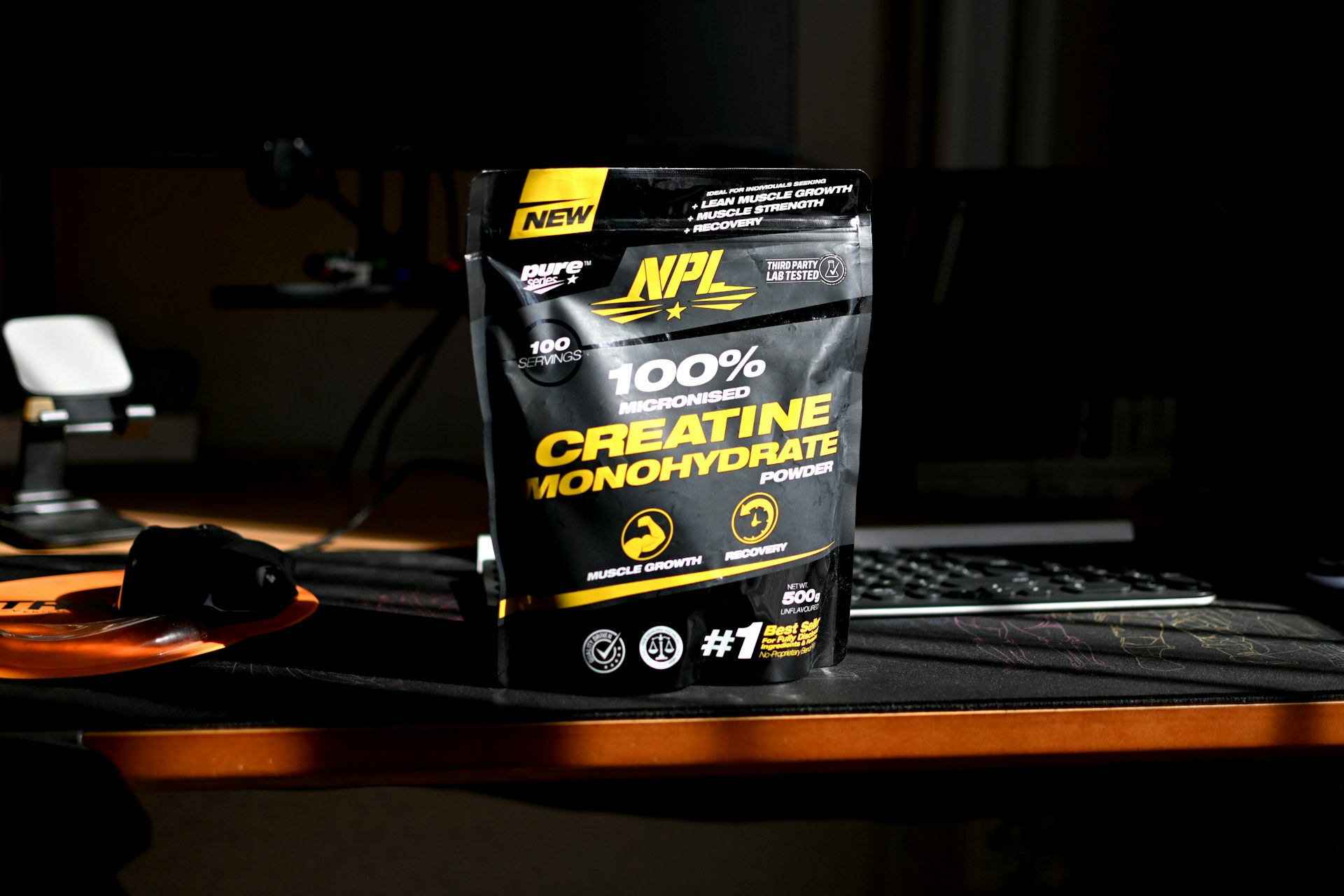

Photo by FitNish Media on Unsplash
When most people think of certain dietary supplements, their minds jump to gym bags and muscle growth. But in recent years, scientists have turned their attention to how these substances might influence the brain, unlocking a new realm of research into cognitive health and function. This shift has led to a growing body of evidence that challenges traditional assumptions about the role of these compounds beyond physical performance.
How Creatine Functions in the Brain
Creatine is a naturally occurring molecule found in the body, primarily synthesized in the liver, kidneys, and pancreas, and stored in muscle tissue and the brain. Its core role is to provide a quick source of energy by regenerating adenosine triphosphate (ATP), the cell’s primary energy currency. In the brain, ATP is critical for supporting neural activity, including neurotransmitter release, signal transmission between neurons, and the maintenance of cell membranes.
Unlike muscle cells, which have high energy demands during physical exertion, brain cells rely on steady ATP supply for continuous cognitive tasks-from problem-solving to memory retrieval. For individuals with lower baseline levels of creatine, supplementation can increase the brain’s phosphocreatine stores, providing a buffer for energy demands during periods of increased mental load.
Recent Research on Cognitive Performance
A 2021 meta-analysis published in the
Journal of the International Society of Sports Nutrition
reviewed 19 studies examining the effects of creatine supplementation on cognitive function. The analysis found that supplementation had a significant positive impact on working memory and executive function, particularly in individuals with lower baseline creatine levels, such as vegetarians and vegans. These groups often have 10-30% lower creatine stores than omnivores, making them more responsive to supplementation.
Another study, conducted by researchers at the University of East Anglia in 2022, focused on young adults undergoing intense academic stress. The study followed 60 university students over a 12-week period, with half taking a daily creatine supplement and the other half taking a placebo. The results showed that the supplement group performed better on tasks measuring verbal memory and processing speed, and reported lower levels of mental fatigue during exam periods.
Creatine and Age-Related Brain Health
As people age, brain creatine levels naturally decline, which is linked to a reduction in cognitive function and an increased risk of neurodegenerative diseases. Research suggests that creatine supplementation may help slow this decline. A 2019 study in
Neurology
found that older adults who took creatine supplements for six months showed improved performance on memory and attention tasks compared to those taking a placebo. The researchers noted that the supplement appeared to enhance mitochondrial function in brain cells, which is often impaired in aging.
While studies on creatine’s role in neurodegenerative diseases like Alzheimer’s are still in early stages, preliminary findings are promising. A 2020 preclinical study published in
Journal of Alzheimer’s Disease
found that creatine supplementation reduced the accumulation of beta-amyloid plaques in the brains of mice, a key hallmark of Alzheimer’s. However, more human trials are needed to confirm these results and determine optimal dosages.
Considerations and Limitations
It’s important to note that creatine supplementation is not a one-size-fits-all solution, and research has identified some limitations. For example, individuals with certain kidney conditions should avoid creatine supplements, as high levels can put additional strain on the kidneys. Additionally, some people may experience mild side effects like bloating or stomach cramps, especially when starting supplementation.
Another key limitation is the lack of long-term studies on the effects of creatine supplementation on brain health. Most existing studies have lasted between 6 and 12 weeks, so researchers don’t yet know the impacts of taking creatine for several years. Furthermore, individual responses to supplementation can vary based on factors like diet, genetics, and overall health.

Photo by Andrey Khoviakov on Unsplash
Looking Ahead: Future Directions in Research
The growing interest in creatine and brain health has spurred a wave of new research projects. Scientists are now exploring how creatine interacts with other nutrients, like omega-3 fatty acids, to enhance cognitive function. They’re also investigating the potential of creatine as an adjunct therapy for individuals with mental health conditions, such as depression and anxiety, since these conditions are linked to reduced brain energy metabolism.
Additionally, researchers are working to develop more targeted creatine formulations that can cross the blood-brain barrier more effectively, potentially increasing the supplement’s impact on brain function. These advancements could lead to more personalized approaches to cognitive health, tailored to an individual’s specific needs and baseline creatine levels.
As with any area of health research, it’s crucial to approach findings with a critical eye and consult a healthcare provider before starting any new supplement regimen. The link between creatine and brain health is still being unraveled, but the existing evidence suggests that it may play a valuable role in supporting cognitive function across different life stages.