
Understanding H5N1 Avian Influenza: What Humans Need to Know About the Risks
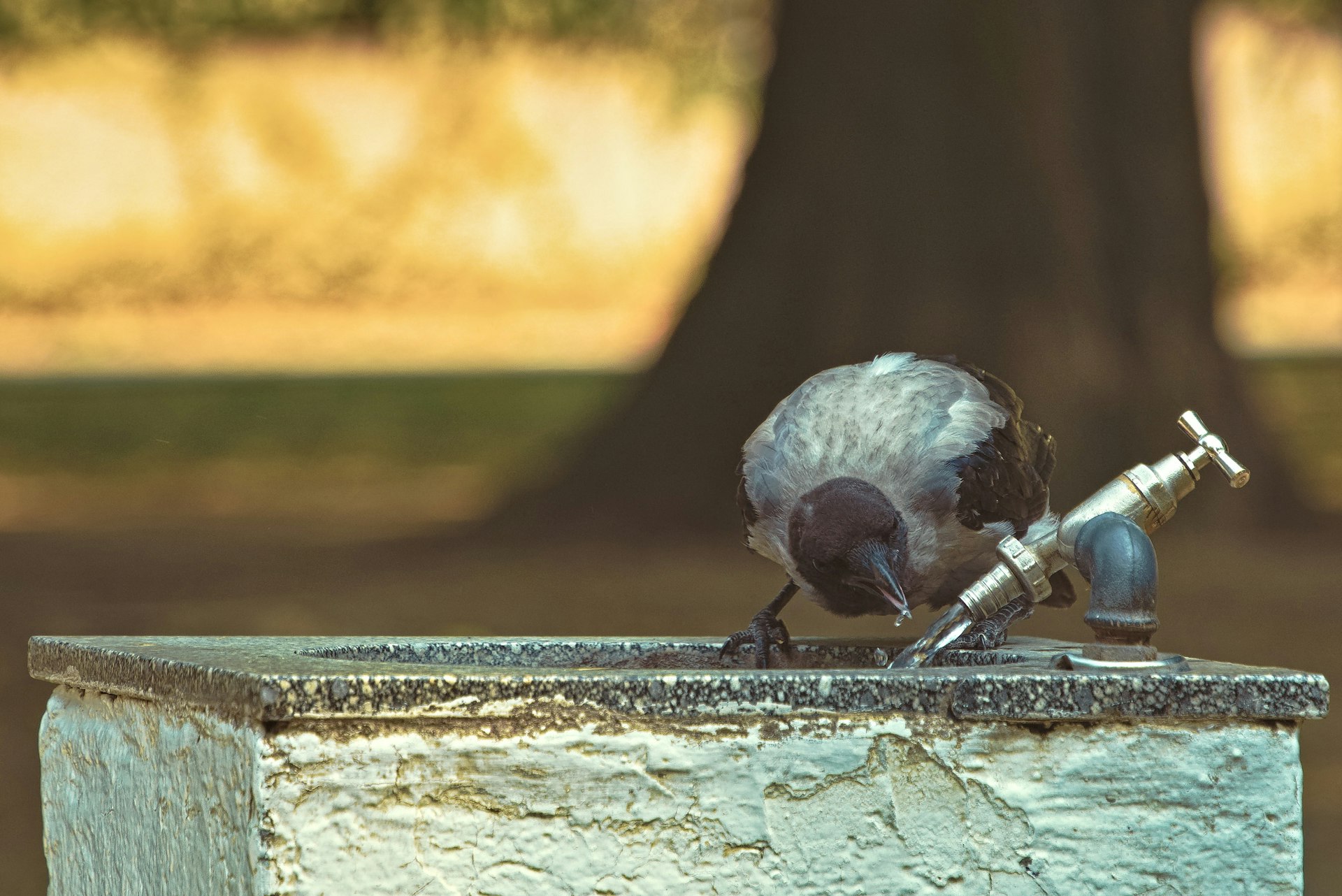

Photo by Pavel Inozemtsev on Unsplash
What Is H5N1 Avian Influenza?
Avian influenza, commonly referred to as bird flu, encompasses a group of viruses that primarily infect birds, ranging from wild waterfowl to domestic poultry. Among these strains, H5N1 is one of the most well-known due to its high mortality rate in both birds and, in some cases, humans. First identified in humans in 1997 during an outbreak in Hong Kong, H5N1 has since been detected in over 60 countries across Asia, Africa, Europe, and the Americas.
How Does H5N1 Spread to Humans?
Most human infections with H5N1 occur through direct or indirect contact with infected birds or their environments. This can include handling sick or dead poultry, visiting live bird markets, or coming into contact with contaminated surfaces like cages, feed, or droppings. Unlike seasonal influenza, which spreads easily between humans through respiratory droplets, H5N1 has not yet developed the ability to transmit efficiently from person to person. Limited cases of human-to-human transmission have been reported in rare, close-contact scenarios, such as caring for an infected family member without proper personal protective equipment (PPE).
Symptoms of H5N1 in Humans
When H5N1 infects humans, the initial symptoms often resemble those of common influenza, including fever, cough, sore throat, and muscle aches. However, the infection can progress rapidly to more severe complications, such as pneumonia, acute respiratory distress syndrome (ARDS), organ failure, and even death. In some cases, patients may also experience gastrointestinal symptoms like nausea, vomiting, and diarrhea. The time from exposure to the onset of symptoms typically ranges from 2 to 8 days, with an average of 5 days.
Severity and Mortality Rate
According to data from the World Health Organization (WHO), the global mortality rate for H5N1 human infections is approximately 50%. This high rate is due in part to the virus’s ability to cause severe damage to the respiratory system and the lack of widespread immunity in humans. It’s important to note that this rate is based on confirmed cases, and milder or asymptomatic infections may go unreported, which could affect the overall mortality estimate.
Current Risk Level to Humans
While H5N1 remains a significant public health concern, the current risk to the general population is considered low. Most infections are isolated to individuals with direct contact with infected birds. However, public health officials closely monitor the virus for any changes in its genetic makeup that could increase its transmissibility between humans. Such a change could lead to a global pandemic, which is why ongoing surveillance and research are critical.
Prevention Measures for Humans
There are several steps individuals can take to reduce their risk of contracting H5N1:
- Avoid direct contact with sick or dead birds, as well as live bird markets in areas where outbreaks have been reported.
- Wash hands frequently with soap and water for at least 20 seconds, especially after handling poultry or visiting areas where birds are present.
- Cook poultry and eggs thoroughly to an internal temperature of 165°F (74°C) to kill any potential viruses.
- Use personal protective equipment (PPE) such as gloves, masks, and goggles when handling infected birds or cleaning contaminated areas.
- Seek medical attention immediately if you develop flu-like symptoms after exposure to infected birds.
Public Health Response to H5N1
Governments and international organizations like the WHO and the Centers for Disease Control and Prevention (CDC) have implemented a range of measures to prevent the spread of H5N1. These include surveillance programs to detect outbreaks in birds and humans, culling of infected poultry flocks to contain the virus, and the development of vaccines and antiviral medications. In addition, public health campaigns are launched to educate the public about the risks of H5N1 and how to protect themselves.
Research and Future Directions
Ongoing research into H5N1 focuses on understanding the virus’s genetic structure, how it interacts with human cells, and how to develop more effective vaccines and treatments. Scientists are also studying the factors that could lead to the virus becoming more transmissible between humans, as well as ways to prevent such a scenario. This research is critical for preparing for potential future outbreaks and protecting global public health.
It’s important to note that while H5N1 is a serious threat, it is not inevitable that it will cause a pandemic. By staying informed, following public health guidelines, and supporting ongoing research, individuals can play a role in reducing the risk of infection and preventing the spread of the virus.

Photo by Don Hassan on Unsplash