
The Essential Role of Flexibility and Mobility Training in Performance and Health
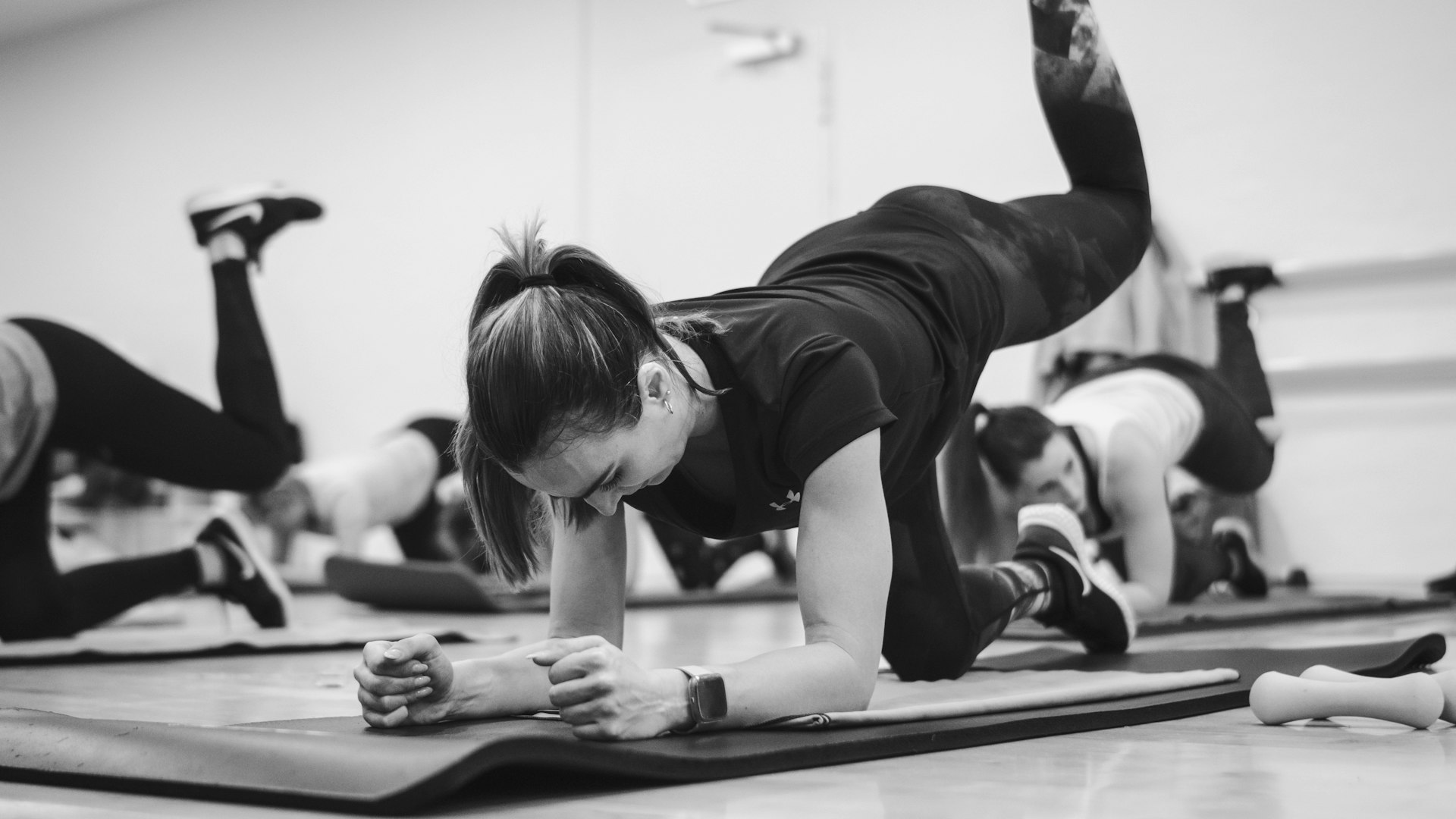

Photo by Jessica Streser on Unsplash
Understanding Flexibility and Mobility Training
Flexibility training focuses on lengthening muscles to improve their elasticity, while mobility training emphasizes the full range of motion in joints, involving muscles, tendons, ligaments, and joint structures. Together, they enable efficient, fluid movement essential for both athletic performance and everyday activities. [1] [2] Flexibility allows muscles to stretch without restriction, reducing tightness, whereas mobility ensures joints move freely through their natural arcs, promoting coordination and stability. [6] For athletes, this distinction matters because restricted mobility can lead to compensatory patterns that strain other body parts, while poor flexibility limits power output in dynamic sports.
In practice, consider a runner with tight hamstrings; flexibility work elongates those muscles, but mobility drills for the hips ensure the pelvis rotates properly during strides, preventing knee issues. Daily, these trainings improve tasks like bending to tie shoes or reaching overhead shelves. Research supports performing both after warming up muscles, ideally five to seven days weekly for major joints, to maximize gains without risk. [1]
Challenges include consistency; beginners may feel discomfort initially. Start with short sessions, progressing gradually, and pair with strength exercises for balance. Alternatives like yoga or Pilates offer combined approaches, adaptable for all fitness levels.
Key Benefits for Performance and Injury Prevention
Flexibility and mobility training play a pivotal role in enhancing performance by increasing range of motion (ROM), which allows unimpeded, fluid movements crucial for sports and exercise. Athletes gain better aerobic fitness, muscular strength, endurance, and sport-specific skills, such as deeper squats or explosive jumps. [1] [2] For instance, soccer players with superior ankle and hip mobility pivot faster, exerting force more effectively, potentially improving performance by up to 10 percent according to studies. [3]
Injury prevention stands out as a primary role. Tight muscles and restricted joints cause compensatory movements leading to strains, sprains, and tears. Enhanced flexibility decreases injury risk through pliable muscles, while mobility maintains joint health, reducing low-back pain and overuse issues. Athletes with good hip mobility face 30 percent fewer knee injuries, as proper squats distribute stress evenly. [1] [3] Everyday benefits include better posture, balance, and relief from aches, minimizing spinal stress.
To implement, assess your ROM with simple tests like touching toes or shoulder reaches. Address weak areas with targeted drills. Potential hurdles like muscle imbalances require professional guidance from physical therapists, who design individualized programs. Dynamic stretches before activity and static holds post-workout provide balanced prevention.
Impact on Recovery and Long-Term Health
Recovery accelerates with flexibility and mobility work, as stretching boosts blood flow, removes lactic acid, and reduces soreness and stiffness. Athletes incorporating these see up to 25 percent shorter recovery times, returning to training with less discomfort. [2] [3] This role extends to mental benefits: stretching acts as relaxation, building mental toughness and stress relief, positively affecting overall performance. [1]

Photo by Sam Moghadam on Unsplash
For long-term health, mobility training preserves joint integrity, essential as we age. It strengthens coordination and stability around joints, promoting efficient movement and preventing degeneration. Athletes integrating strength with mobility achieve fluid power in lifts and sprints, extending careers. [4] [7] Non-athletes gain from reduced back pain, improved daily function, and muscle cramp relief.
Step-by-step recovery routine: After workouts, spend 10-15 minutes on dynamic mobility like leg swings, followed by static stretches held 20-30 seconds per muscle group. Track progress weekly. Challenges such as post-injury stiffness may need therapy; alternatives include foam rolling or self-myofascial release for home use.
Practical Training Techniques and Guidelines
Effective programs blend static (held stretches for elasticity) and dynamic (movement-based for functional ROM) methods. Static suits overall flexibility post-warmup, while dynamic aids sports requiring full-motion swings, like golf. [1] Perform after warming muscles to enhance effectiveness, targeting all major joints daily.
Example routine: Warm up with 5-10 minutes light cardio. Dynamic: Arm circles, walking lunges (10 reps/side). Static: Hamstring stretch (hold 30 seconds, 3x/leg). For athletes, add sport-specific drills like hip openers for runners. Research favors dynamic over static pre-exercise for better jump, sprint, and agility performance. [5]
Progression: Beginners hold stretches 15-20 seconds; advanced, 45-60. Include posture focus and balanced strength. Common pitfalls: Overstretching cold muscles-instead, warm up first. Consult trainers for personalization, especially with imbalances.
Real-World Applications and Case Studies
In sports, elite athletes use mobility as a secret weapon. Sprinters with optimized hip mobility execute explosive starts safely, while swimmers gain stroke efficiency from shoulder ROM. A study showed 20 percent faster technique mastery with mobility focus. [3] Everyday, office workers reduce desk-induced tightness via daily mobility breaks.
Case: Runners at Kinetic PT saw fewer injuries and faster recovery through tailored programs emphasizing posture and balanced strength. [2] Challenges like motivation addressed by group classes. Alternatives: Apps for guided sessions or home equipment like resistance bands.
Getting Started Safely
Begin with self-assessment: Test ROM in hips, shoulders, ankles. Build a 20-minute routine 5 days/week. Monitor for pain-stop and seek professional advice if persistent. Pair with overall fitness for best results, ensuring balanced muscle development.
For guidance, search for certified trainers via fitness organizations or physical therapy clinics specializing in sports. Track improvements in performance metrics like sprint times or daily ease. Long-term, this investment yields sustained health and peak function.
References
[1] ACE Fitness (n.d.). The Impact of Flexibility Training on Performance. [2] Kinetic PT Greenville (n.d.). Importance of Flexibility and Mobility in Athletic Performance. [3] JJR Next Level (n.d.). Why Mobility Training is the Secret Weapon for Elite Athletes. [4] Agile PT (n.d.). Why Mobility Training Is Essential for Long-Term Joint Health. [5] NASM Blog (n.d.). Flexibility Training: Why Stretching and Flexibility is Important. [6] Sanford Sports (n.d.). Mobility vs. Flexibility: Understanding the differences. [7] SportsMed Texas (n.d.). Why Mobility Training Matters.