
Nourishing Your Body: How Everyday Foods Support Long-Term Health and Resilience
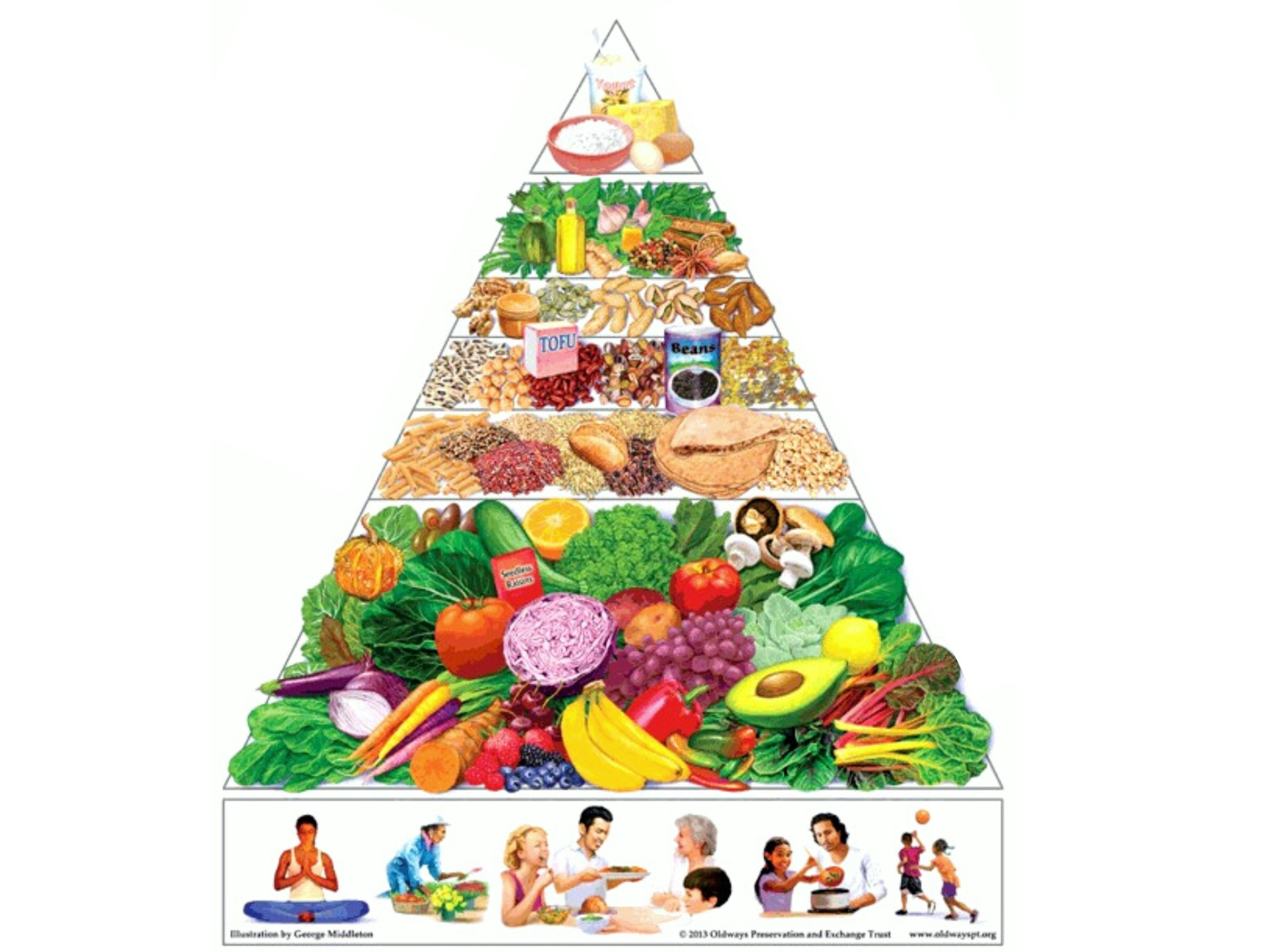

Photo by Anthony Bernardo Buqui on Unsplash
The Interplay Between Diet and Physiological Resilience
Every bite we take sends a cascade of signals to our body’s cells, influencing everything from immune function to cellular repair. While modern medicine has made incredible strides in treating acute conditions, the role of diet in preventing chronic illness has become a focal point of contemporary health research. Studies published in peer-reviewed journals like the
Journal of Nutrition
and
American Journal of Clinical Nutrition
consistently highlight that dietary patterns rich in whole, unprocessed foods correlate with lower rates of conditions such as cardiovascular disease, type 2 diabetes, and certain cancers.

Photo by Kristine Wook on Unsplash
Key Nutrient Compounds and Their Protective Effects
Phytochemicals, the naturally occurring compounds in plants, are among the most studied contributors to disease prevention. For example, flavonoids found in berries, leafy greens, and citrus fruits have been shown to reduce oxidative stress, a process that damages cells over time and contributes to chronic inflammation. Antioxidants like vitamin C and E, present in a variety of fruits and vegetables, neutralize free radicals, unstable molecules that can harm DNA and cellular structures.
Fiber, another critical component of whole foods, plays a dual role in health. Soluble fiber, found in oats, legumes, and apples, helps regulate cholesterol levels by binding to bile acids in the gut, preventing their reabsorption into the bloodstream. Insoluble fiber, from whole grains and cruciferous vegetables, supports digestive health by promoting regular bowel movements and feeding beneficial gut bacteria. A balanced gut microbiome is linked to improved immune function and a reduced risk of metabolic disorders.
Whole Foods vs. Processed Options
It’s important to note that the protective effects of food are rarely due to a single nutrient. Instead, it’s the synergy of multiple compounds working together that yields the greatest benefits. For instance, a serving of spinach provides not only iron but also vitamin C, which enhances iron absorption, along with folate and beta-carotene. Isolating a single nutrient, such as taking a vitamin C supplement, does not replicate the same health benefits as consuming a whole orange, which also contains fiber, flavonoids, and other micronutrients.
Processed foods, on the other hand, often lack these synergistic compounds and may contain high levels of added sugars, sodium, and trans fats. These ingredients can disrupt the body’s metabolic balance, increase inflammation, and raise the risk of chronic disease. A 2021 study in the
BMJ
found that individuals who consumed more than 20% of their daily calories from ultra-processed foods had a 25% higher risk of developing cardiovascular disease compared to those who ate fewer processed options.
Practical Steps for Integrating Nutrient-Dense Foods
Adopting a diet focused on disease prevention doesn’t require a complete overhaul of eating habits. Small, consistent changes can have a significant impact over time. For example:
- Replace refined grains with whole grains like quinoa, brown rice, and whole wheat bread to increase fiber intake.
- Incorporate a variety of colorful fruits and vegetables into each meal to ensure a wide range of phytochemicals.
- Include sources of healthy fats, such as avocados, nuts, and fatty fish like salmon, which provide omega-3 fatty acids that support heart health.
- Limit processed meats and sugary beverages, which have been linked to increased inflammation and chronic disease risk.
Additionally, mindful eating practices, such as chewing food thoroughly and eating without distractions, can improve digestion and help individuals tune into their body’s hunger and fullness cues, reducing the likelihood of overeating.
The Role of Diet in Immune Function
A well-nourished immune system is better equipped to fend off infections and reduce the severity of illnesses. Nutrients like zinc, found in pumpkin seeds and legumes, and vitamin D, from fatty fish and fortified foods, play critical roles in immune cell production and function. A deficiency in these nutrients can weaken the immune response, making individuals more susceptible to common colds and other respiratory infections.
Probiotics, found in fermented foods like yogurt, kimchi, and sauerkraut, support gut health, which is closely tied to immune function. The gut microbiome acts as a barrier against harmful pathogens and produces compounds that regulate the immune system. Studies have shown that individuals with a diverse gut microbiome have a lower risk of autoimmune diseases and allergic reactions.
Conclusion: Fostering Long-Term Health Through Dietary Choices
While diet is not a replacement for medical care, it is a powerful tool in supporting overall health and preventing chronic disease. Ongoing research continues to expand our understanding of the complex interactions between food and the body, and new findings regularly emerge about the protective effects of specific foods and dietary patterns. For those looking to prioritize their health, consulting with a registered dietitian or nutritionist can provide personalized guidance based on individual needs and health goals. By making intentional choices about the foods we eat, we can take an active role in supporting our body’s natural ability to stay well and thrive.