
Comprehensive Guide to the World Health Organization: Role, Impact, and Accessing Global Health Resources
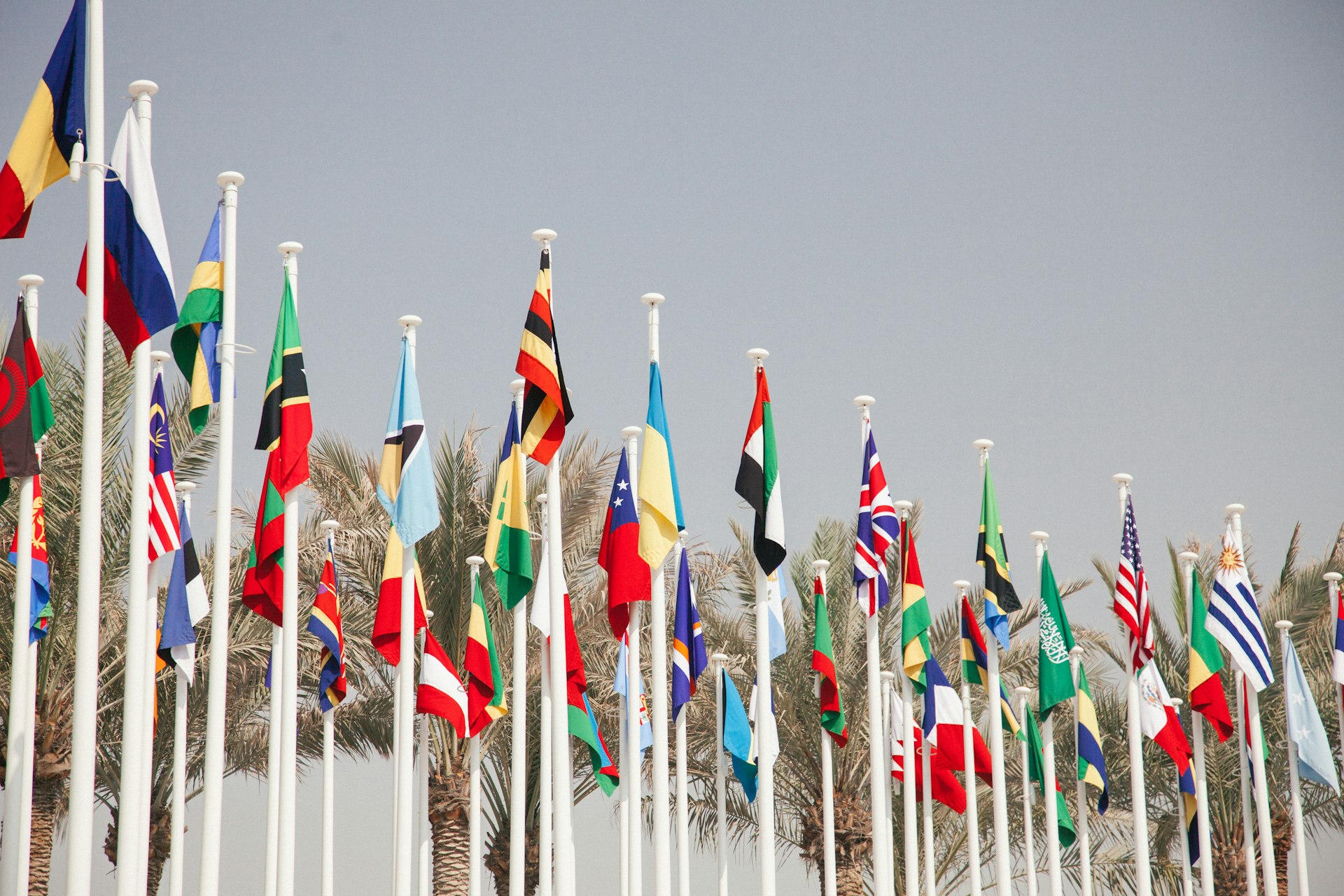

Photo by Michael Wave on Unsplash
Introduction to the World Health Organization
The World Health Organization (WHO) stands as the world’s leading intergovernmental health agency, dedicated to promoting health, keeping populations safe, and serving the vulnerable worldwide. Founded in 1948 as a specialized agency of the United Nations, WHO is headquartered in Geneva, Switzerland, and operates with 194 member states, six regional offices, and more than 150 field locations globally [1] [2] . WHO’s mission is to enable everyone, everywhere, to attain the highest possible level of health, as defined by its constitution: “a state of complete physical, mental and social well-being and not merely the absence of disease or infirmity” [4] .
Core Functions and Strategic Priorities
WHO’s core functions include:
- Setting global health standards and providing science-based guidance for governments and health organizations.
- Leading and coordinating international health responses, especially during emergencies and epidemics.
- Monitoring health trends, collecting data, and assessing global health issues.
- Providing technical assistance, capacity-building, and support for strengthening health systems.
- Advocating for universal health coverage and health equity.
- Promoting research, knowledge sharing, and innovation in public health.
WHO’s current strategic priorities, known as the “Triple Billion targets,” include:
- Providing health coverage to one billion more people.
- Protecting one billion more people from health emergencies.
- Ensuring another one billion people enjoy better health and well-being [3] .
These targets align with the United Nations Sustainable Development Goals, aiming to end poverty and promote health equity by 2030 [3] .
Major Achievements and Global Impact
The WHO has played a decisive role in historic public health victories, including:
- Smallpox Eradication: WHO led the global campaign that resulted in the eradication of smallpox in 1979, saving millions of lives [1] .
- Polio Reduction: Vaccination efforts coordinated by WHO have reduced global polio cases by 99%, with ongoing campaigns to achieve complete eradication [3] .
- Leadership in Health Emergencies: WHO has the exclusive authority to declare global health emergencies, coordinating international responses to outbreaks such as SARS, Ebola, and COVID-19 [1] .
- Essential Medicines and Diagnostic Tests: Since 1977, WHO has maintained lists of essential medicines and diagnostic tools hospitals should stock, helping standardize and improve care worldwide [3] .
These efforts demonstrate WHO’s capacity to mobilize resources, expertise, and partnerships across borders for the advancement of global health.
How WHO Operates: Collaboration, Research, and Standards
WHO’s work is characterized by extensive collaboration with governments, civil society, international organizations, foundations, advocates, researchers, and health workers. This network is fundamental to WHO’s ability to:
- Coordinate responses to health crises such as infectious disease outbreaks, natural disasters, and humanitarian emergencies.
- Develop and disseminate international health regulations, guidelines, and best practices.
- Facilitate the sharing of scientific research and data for evidence-based policymaking.
- Promote health education, capacity building, and professional training [2] .
Real-world examples include WHO’s rapid deployment of experts and resources during the Ebola epidemic, its ongoing support for countries battling HIV/AIDS and malaria, and its role in assessing the impact of climate change and environmental hazards on global health [3] .
Accessing WHO Resources and Services
Individuals, organizations, and governments can access WHO’s resources in several ways:
-
Official Publications:
WHO regularly publishes research, guidelines, and reports such as the
World Health Report
and lists of essential medicines. These can be accessed directly on the official WHO website [2] . - Technical Assistance: Governments may request WHO’s support for strengthening health systems, emergency preparedness, and disease control. This typically involves formal communication via health ministries or United Nations channels.
- Online Resources: The WHO website provides extensive information for researchers, health professionals, and the public, including data, fact sheets, and training materials. For the latest updates, guidance, and tools, visit the verified official WHO website.
- Collaboration Opportunities: Non-governmental organizations, academic institutions, and civil society can engage with WHO through partnerships, joint projects, and advocacy initiatives. Details on partnership programs are available on the WHO site.
For those seeking specific WHO services or publications, search for the relevant topic (e.g., “WHO essential medicines list” or “WHO disease outbreak reports”) on the official WHO website. If you are a government or health authority, consider contacting WHO regional offices for direct support. Individuals and organizations may also subscribe to the WHO newsletter or follow its official social media channels for updates.
Challenges and Solutions in Global Health Coordination
WHO faces complex challenges in its mission, such as:
- Rapidly Evolving Health Threats: Emerging infectious diseases, climate change, and antimicrobial resistance require agile responses and sustained global cooperation.
- Resource Limitations: Funding constraints and logistical barriers can hinder WHO’s ability to provide timely assistance, especially in low-resource settings.
- Political and Cultural Differences: Diverse national policies and priorities sometimes complicate international coordination and implementation of health standards.
To address these issues, WHO employs solutions such as:
- Promoting science-based, adaptable guidelines tailored to local contexts.
- Facilitating knowledge exchange and capacity building among member states.
- Engaging a broad coalition of partners to mobilize resources and expertise.
- Strengthening transparency, accountability, and community engagement in health initiatives.
Alternative approaches may include leveraging digital health technologies, supporting regional health networks, and encouraging public-private partnerships.
How to Engage with WHO and Find Support
If you seek to access WHO programs, guidance, or support, consider the following steps:

Photo by Planet Volumes on Unsplash
- Visit the official WHO website for verified information, latest publications, and contact details [2] .
- Use specific search terms (e.g., “WHO vaccine guidelines”, “WHO emergency response”) to locate targeted resources.
- Contact your national health ministry or local WHO regional office to inquire about technical assistance or partnership opportunities.
- Explore WHO’s training modules and webinars available on the website for health professionals and organizations.
- Subscribe to WHO’s official newsletter for regular updates, or follow verified WHO social media profiles for news and alerts.
If you represent a government or health authority, formal requests for assistance are typically made through diplomatic channels or direct communication with WHO’s regional offices. For NGOs, academic institutions, and advocacy groups, partnership opportunities and submission guidelines are detailed on the WHO website.
Key Takeaways and Next Steps
The World Health Organization remains the cornerstone of international public health, providing leadership, guidance, and technical support to address health challenges worldwide. By leveraging WHO’s resources, collaborating with its network, and staying informed about its initiatives, individuals and organizations can contribute to global health advancement and benefit from science-based strategies for well-being.
To begin accessing WHO resources, start by visiting the official website, using precise search terms, and considering direct engagement with WHO offices for specialized support. Remember, all WHO guidance and programs are grounded in rigorous science and international collaboration, ensuring reliable information and actionable pathways toward a healthier future for all.
References
- [1] Wikipedia (2025). World Health Organization – Mandate, functions, and achievements.
- [2] World Health Organization (2025). About WHO – Structure, mission, and access.
- [3] Council on Foreign Relations (2025). What Does the World Health Organization Do? – Priorities and impact.
- [4] Encyclopedia Britannica (2025). World Health Organization – History and objectives.