
How Water Interacts with Your Body to Support Daily Physical Function
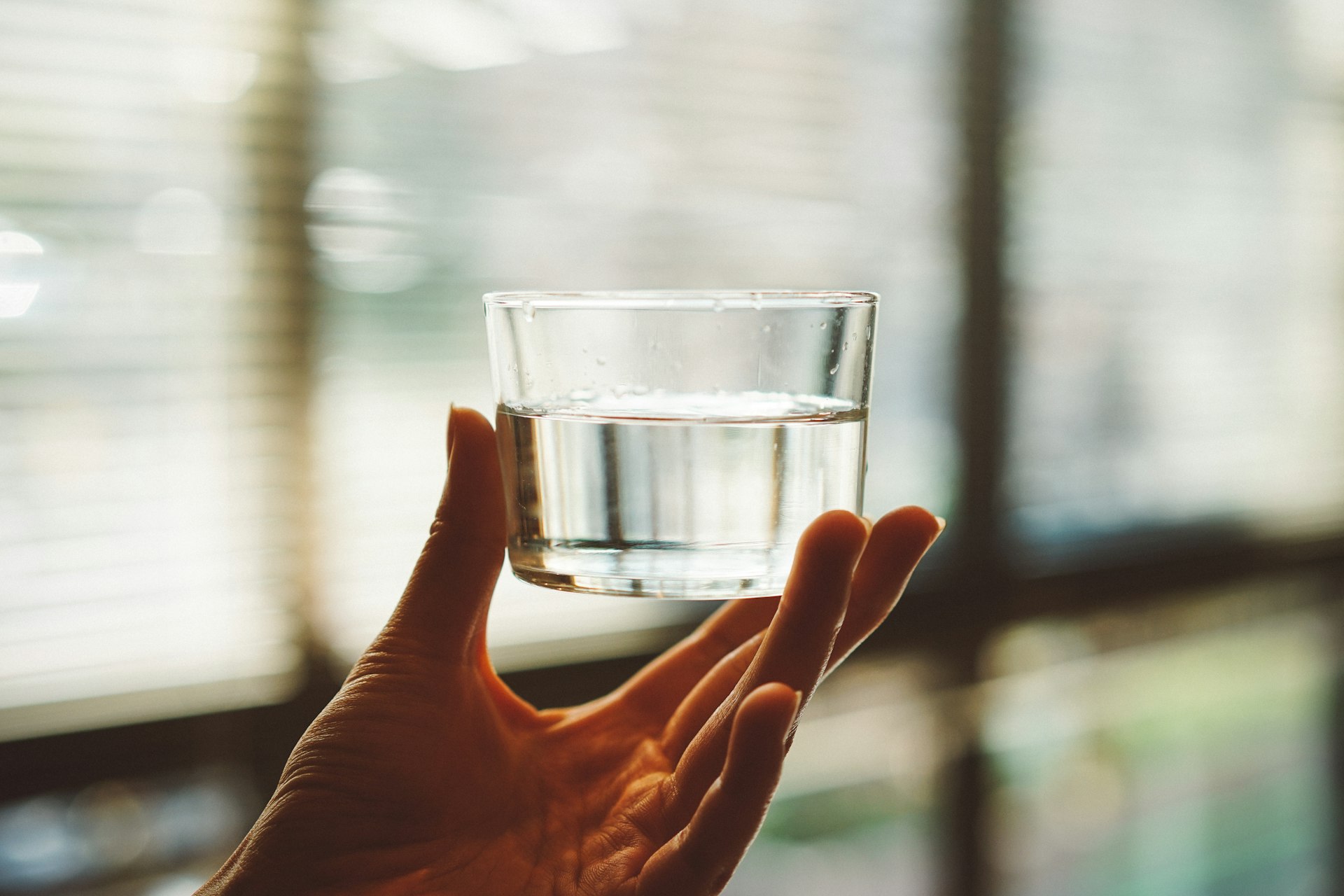

Photo by Manki Kim on Unsplash
Every cell, tissue, and organ in the human body depends on water to function properly. Water makes up approximately 60% of an adult’s body weight, with higher percentages in children and athletes who regularly lose fluids through sweat. Despite its ubiquity, the specific ways hydration impacts physical health are often overlooked in daily conversations about wellness.
Cellular Function and Hydration
At the cellular level, water acts as a solvent for essential nutrients like glucose, electrolytes, and amino acids, allowing them to be transported across cell membranes to where they’re needed. It also helps remove waste products, such as carbon dioxide and urea, from cells before they can build up and cause damage. When the body is even slightly dehydrated, this transport system slows down, leading to reduced nutrient delivery to muscles and organs. Over time, this can result in decreased cellular efficiency, which manifests as fatigue, brain fog, or reduced physical stamina.
Hydration and Physical Performance
For anyone engaging in physical activity, hydration plays a critical role in maintaining performance. During exercise, the body generates heat, and sweating is the primary mechanism for cooling down. Each liter of sweat lost can lower body temperature by approximately 10 degrees Celsius, but losing too much fluid without replacement disrupts this process. Dehydration of just 2% of body weight can lead to measurable decreases in strength, endurance, and reaction time. This is because dehydrated muscles have reduced blood flow, which limits the oxygen and nutrients available to fuel contractions. Additionally, electrolytes like sodium and potassium, which are lost in sweat, are essential for nerve function and muscle coordination. Without adequate replacement, athletes may experience cramping, dizziness, or even heat exhaustion.

Photo by Boxed Water Is Better on Unsplash
Hydration and Post-Exercise Recovery
The role of hydration doesn’t end when a workout is over. Proper fluid intake after exercise helps replenish lost fluids and electrolytes, supports muscle repair, and reduces soreness. When the body is dehydrated, the production of glycogen – the stored form of glucose that fuels muscles – is slowed. Glycogen restoration is key for recovery, as it allows muscles to rebuild and prepare for future activity. Additionally, water helps transport repair proteins to damaged muscle tissue, speeding up the healing process. Even mild dehydration post-exercise can prolong recovery time and increase the risk of injury in subsequent workouts.
Suboptimal Hydration: Signs to Watch For
Many people don’t realize they’re dehydrated until they experience obvious symptoms like extreme thirst or dry mouth. However, there are subtler signs that indicate suboptimal hydration, including dark yellow urine, reduced urine output, fatigue, headaches, and dry skin. For individuals with active lifestyles, these signs can be easily mistaken for normal post-workout tiredness, leading to ongoing dehydration that impacts long-term physical health. Over time, chronic mild dehydration can contribute to issues like kidney stones, reduced immune function, and even cardiovascular strain, as the heart has to work harder to pump blood through dehydrated blood vessels.
Practical, Evidence-Based Hydration Habits
While there’s no one-size-fits-all recommendation for daily water intake, health experts generally suggest that adults aim for around 2-3 liters of fluid per day, depending on activity level, climate, and individual needs. Instead of waiting until thirst strikes, it’s helpful to sip water throughout the day. For athletes, pre-hydrating 1-2 hours before exercise with a drink containing electrolytes can help maintain fluid balance during activity. Post-exercise, replacing fluids with a combination of water and electrolytes (especially if sweat loss was significant) can speed up recovery. It’s also important to note that other fluids like herbal tea, fruit-infused water, and low-sugar beverages can contribute to daily hydration, though water remains the most effective choice for most people.
Understanding the science behind hydration and its impact on physical health is the first step toward making informed choices that support long-term well-being. By paying attention to subtle signs of dehydration and adopting consistent hydration habits, individuals can enhance their physical performance, speed up recovery, and reduce the risk of long-term health issues. Further research into personalized hydration plans, especially for individuals with unique health conditions or extreme activity levels, continues to uncover new insights into how to optimize fluid intake for maximum benefit.