Unnoticed Risks: Understanding the Quiet Signs of High Blood Pressure in Young Adults


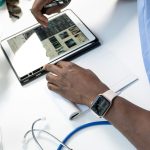
Photo by Anthony Tran on Unsplash
For decades, high blood pressure was considered a health issue exclusive to older adults, linked to aging and long-term wear on the cardiovascular system. But in recent years, healthcare providers have seen a steady rise in cases among people under 40, including teenagers and young adults. What makes this trend particularly alarming is that many of these cases go undiagnosed for months or even years, thanks to the condition’s often silent nature.
The Hidden Nature of High Blood Pressure in Young Adults
Unlike acute illnesses that come with obvious, disruptive symptoms, high blood pressure in young people typically progresses slowly, with signs that are easy to brush off as part of a busy, modern lifestyle. Many young adults chalk up frequent headaches to late nights at work or school, dismiss dizziness as dehydration from skipping meals, or attribute fatigue to a packed schedule of social events and deadlines. These subtle cues rarely prompt a trip to the doctor, leaving the condition untreated and allowing it to damage vital organs over time.
Common Silent Symptoms to Watch For
While there are no overt, “red flag” symptoms for early-stage hypertension in young people, there are several subtle signs that may indicate an underlying issue. These include:
- Persistent, mild headaches: Often felt in the morning upon waking, these headaches may fade as the day goes on, making them easy to ignore. They’re caused by increased pressure on the blood vessels in the brain.
- Unexplained dizziness or lightheadedness: This can occur when standing up too quickly or after prolonged periods of sitting, and may be mistaken for low blood sugar or lack of sleep.
- Blurred vision or eye strain: High blood pressure can damage the tiny blood vessels in the eyes, leading to temporary vision changes that are often attributed to screen time or eye fatigue.
- Frequent nosebleeds: While nosebleeds are common in dry climates or after trauma, frequent, unexplained nosebleeds may be a sign of elevated blood pressure, especially in young people with no history of nasal issues.
- Chronic fatigue: Even after getting a full night’s sleep, young adults with undiagnosed hypertension may feel constantly tired, as the heart has to work harder to pump blood throughout the body.
- Sleep disturbances: Snoring, sleep apnea, or frequent waking during the night can both contribute to and be a symptom of high blood pressure in young people.
Why Young People Are Increasingly at Risk
Several factors have contributed to the rise in hypertension among young adults. Sedentary lifestyles, driven by desk jobs and excessive screen time, mean many young people get far less physical activity than previous generations. A diet high in processed foods, sodium, and added sugars can also raise blood pressure over time. Additionally, chronic stress from work, school, or financial pressures triggers the release of cortisol, a hormone that temporarily raises blood pressure; repeated exposure to stress can lead to long-term elevation.

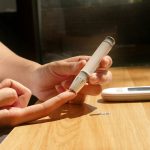
Photo by alex Roosso on Unsplash
Genetics also play a role: young people with a family history of hypertension are more likely to develop the condition themselves, even if they lead a healthy lifestyle. Obesity is another major risk factor, as excess weight puts extra strain on the heart and blood vessels.
The Dangers of Untreated Silent Hypertension
Left untreated, high blood pressure in young people can lead to serious health complications later in life, including heart attack, stroke, kidney failure, and vision loss. Even in the short term, it can affect cognitive function, leading to difficulty concentrating and memory lapses. What’s more, young adults with undiagnosed hypertension are more likely to develop cardiovascular disease at a younger age, reducing their overall life expectancy and quality of life.
Preventing and Detecting Silent Hypertension
The best way to catch silent hypertension early is through regular blood pressure screenings. Healthcare providers recommend that all adults, including those under 40, have their blood pressure checked at least once a year, or more frequently if they have risk factors like obesity, a family history of hypertension, or a sedentary lifestyle.
Making lifestyle changes can also help prevent or manage high blood pressure. This includes eating a balanced diet rich in fruits, vegetables, whole grains, and lean proteins, limiting sodium intake to less than 2,300 milligrams per day, getting at least 150 minutes of moderate physical activity per week, managing stress through meditation, yoga, or deep breathing exercises, and avoiding excessive alcohol and tobacco use.
It’s important to note that even if you don’t experience any symptoms, you could still have high blood pressure. Taking proactive steps to monitor your health and make positive lifestyle changes can help reduce your risk of developing complications and ensure long-term well-being. For those who receive a diagnosis, working closely with a healthcare provider to develop a personalized management plan can help keep blood pressure in check and prevent further health issues.