
Understanding the Genetics of Baldness: Which Side of the Family Matters?
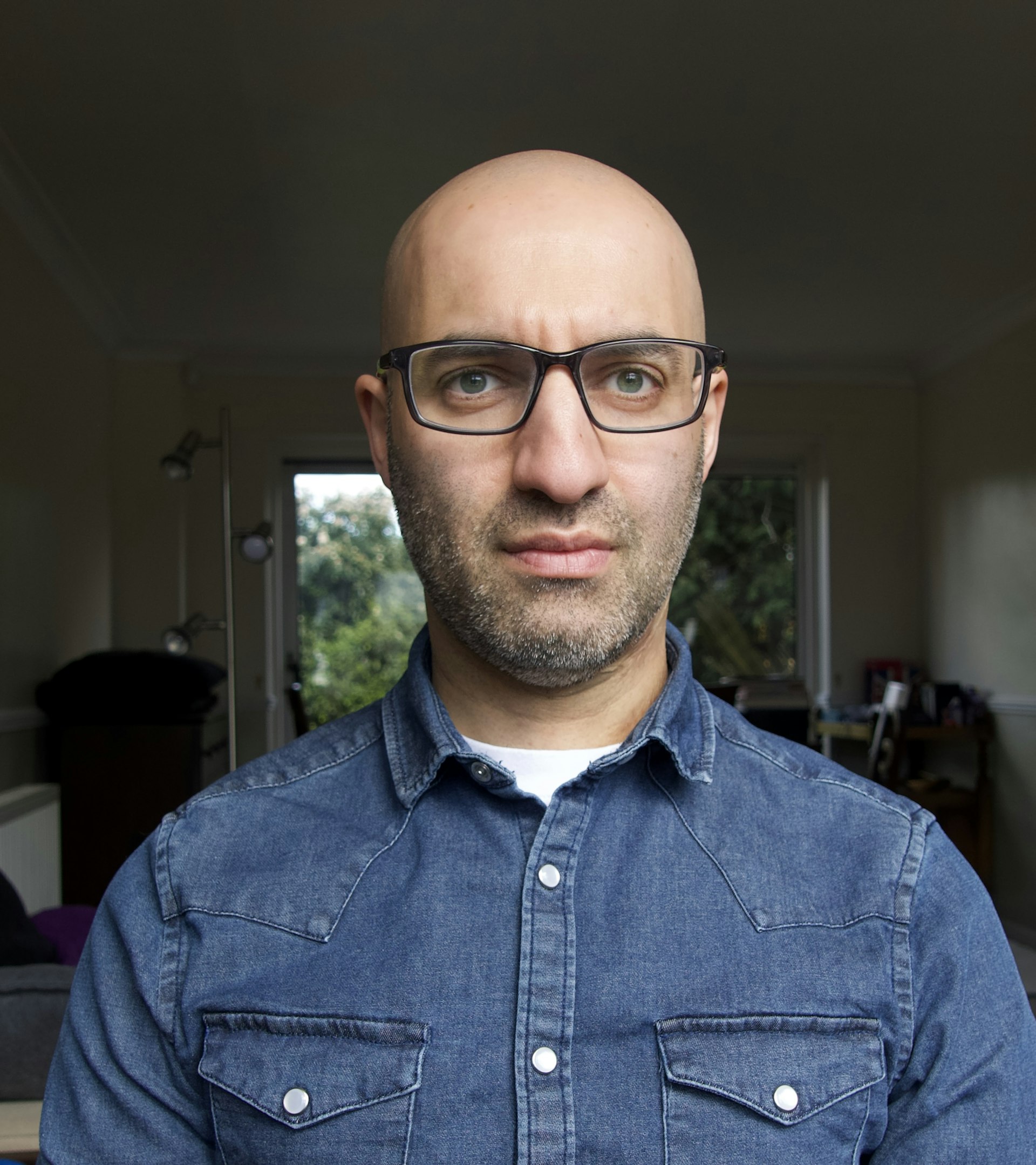

Photo by Osama Madlom on Unsplash
Introduction: The Genetics of Baldness Explained
Baldness, particularly male and female pattern baldness, is a common concern for millions. Many wonder whether hair loss is inherited from their mother’s or father’s side. Understanding the true genetic mechanisms behind baldness can help you anticipate risks and make informed decisions about monitoring and managing hair health. This article provides a detailed exploration of the genetic factors influencing baldness, debunks persistent myths, and offers practical steps for those concerned about hereditary hair loss.
Myth vs. Reality: Where Does the Baldness Gene Come From?
One of the most widely held beliefs is that baldness is inherited exclusively from the mother’s side of the family. This myth is based on the fact that the X chromosome -which men inherit from their mothers-carries the androgen receptor (AR) gene , a key genetic factor in male pattern baldness. However, this is only part of the story. Recent genetic research shows that baldness is a polygenic trait , meaning it is influenced by many genes on various chromosomes, not just the X chromosome from the mother.
While the AR gene on the X chromosome has a strong association with male pattern baldness, studies have identified more than 60 genetic regions associated with baldness, with most of them located on autosomal (non-sex) chromosomes that you inherit from both parents [3] . This means your genetic risk for baldness can be passed down from both your mother’s and father’s side.
Scientific Evidence: What Do Studies Show?
Large-scale genetic studies, such as those using data from the UK Biobank, have found that male pattern baldness is strongly heritable and highly polygenic [2] . Here are some key findings:
- About 80% of the risk for male pattern baldness is due to genetics [3] .
- At least 624 genetic regions have been implicated in baldness, with only 26 on the X chromosome [2] .
- Over 80% of balding men have a father who also experienced significant hair loss [3] .
What does this mean for you? While your mother’s side does contribute to your genetic risk-especially through the AR gene-your father’s side is just as important. If baldness runs in both sides of your family, your risk increases even more [1] .
Understanding Polygenic Inheritance & Its Implications
Polygenic inheritance means that many small genetic variations, inherited from both parents, combine to influence your likelihood of experiencing baldness. This explains why you might go bald even if your mother’s father wasn’t bald, or why siblings in the same family can have very different hair patterns.
Several genes have been identified as contributors:

Photo by yan kolesnyk on Unsplash
- AR gene (on the X chromosome): Strongly linked to baldness, especially in men.
- KITLG gene : Regulates hair growth and follicle development [1] .
- Over 100 other autosomal genes have been found to be associated with various forms of hair loss [4] .
Because of this complexity, predicting baldness based solely on family history is not always accurate. Some genes can skip generations or affect siblings differently.
How to Assess Your Own Genetic Risk
If you’re concerned about baldness, there are several steps you can take to better understand your genetic risk:
- Review your family history: Look for patterns of hair loss on both sides of your family, including your father, mother, uncles, and grandparents.
- Consult a dermatologist or trichologist: A trained medical professional can evaluate your current hair health and discuss your family history in detail.
- Consider genetic testing: While there is no standard clinical test that predicts baldness with absolute certainty, some consumer DNA testing services offer assessments of genetic risk for hair loss. If you consider this route, ensure you use reputable, established genetic testing companies, and consult a healthcare provider for interpretation.
- Monitor your scalp health: Early detection of hair thinning can sometimes help in slowing progression with medical or topical treatments. If you notice early signs, consult a healthcare provider promptly.
If you want guidance on finding a qualified dermatologist, you can search through the American Academy of Dermatology Association’s website or consult your primary care provider for referrals.
Practical Steps for Managing Hair Loss
While genetics play a significant role, other factors-such as stress, nutrition, hormonal changes, and certain medications-can also impact hair health. Here’s what you can do:
- Maintain a balanced diet: Ensure you consume enough protein, iron, and vitamins that support hair health.
- Reduce stress: Chronic stress can exacerbate hair loss. Consider mindfulness, exercise, or speaking with a mental health professional.
- Avoid harsh treatments: Excessive heat, chemical treatments, or tight hairstyles can contribute to hair loss.
- Consider medical treatments: FDA-approved options like minoxidil and finasteride may slow or partially reverse hair loss in some individuals. Consult a healthcare provider to discuss potential benefits and side effects.
- Explore cosmetic solutions: Wigs, hairpieces, and scalp micropigmentation are alternatives for those seeking immediate cosmetic improvements.
If you are interested in medical treatment, your dermatologist can help you understand what is appropriate for your situation. You can also search for clinical trials on hair loss treatments through the National Institutes of Health’s ClinicalTrials.gov database.
Common Challenges and Alternative Approaches
Predicting and managing hereditary baldness can be challenging due to its polygenic nature. Siblings with similar family trees may have different experiences. Some individuals find that hair loss is more rapid or begins earlier than in previous generations, while others retain thick hair even with a strong family history. Environmental factors or health conditions can also influence outcomes.
Alternative approaches include topical therapies, lifestyle adjustments, and cosmetic interventions. If you wish to pursue a hair transplant or advanced therapies, consult with a board-certified dermatologist or hair restoration specialist. Always review credentials and patient testimonials before proceeding with any invasive procedure.
Key Takeaways: What Side of the Family Does Baldness Come From?
The belief that baldness comes solely from your mother’s side is a myth. In reality, hair loss risk is inherited from both sides of your family , and many genes-some on the X chromosome and many on autosomal chromosomes-play a role. If you have a family history of baldness on both sides, your risk increases. However, environmental and lifestyle factors also matter.
To assess your risk and manage hair loss:
- Analyze your family history comprehensively.
- Consult a dermatologist for professional advice.
- Consider reputable genetic testing if you want more insights.
- Adopt healthy lifestyle habits and consider medical or cosmetic interventions as appropriate.
References
- [1] Need-Hair (2023). Which Side of the Family Does the Baldness Gene Come From?
- [2] Nature Communications (2018). Dissection of genetic variation and evidence for pleiotropy in male pattern baldness.
- [3] Healthline (2023). Baldness Gene: How Genetics Influence Hair Loss
- [4] NIH/PMC (2017). Genetic prediction of male pattern baldness