
Understanding RSV Vaccination: Protecting Vulnerable Older Adults and Infants
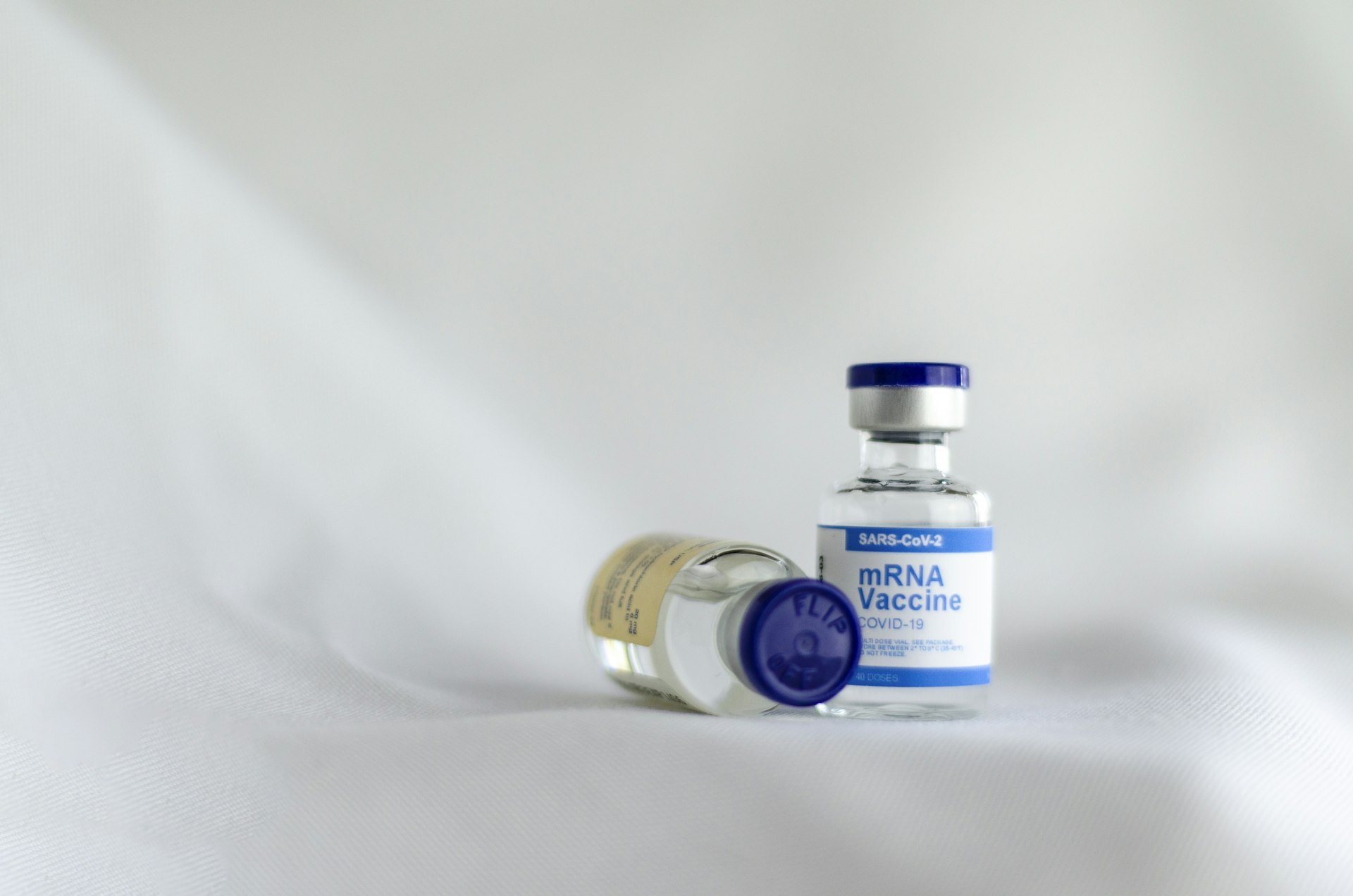

Photo by Spencer Davis on Unsplash
What Is RSV and Why Does It Matter?
Respiratory syncytial virus (RSV) is a common respiratory virus that usually causes mild, cold-like symptoms in most people. However, for two specific groups-older adults and infants-it can lead to severe illness, including pneumonia and bronchiolitis. Each year, millions of cases of RSV-related illness occur globally, with a significant number of hospitalizations among these vulnerable populations. As medical research advances, vaccines have emerged as a key tool in reducing the burden of RSV on these groups.
RSV Vaccination for Older Adults
Older adults, especially those aged 65 and above, are at higher risk of severe RSV due to weakened immune systems and underlying health conditions such as chronic obstructive pulmonary disease (COPD), heart disease, or diabetes. In recent years, several RSV vaccines have been approved for use in this age group. These vaccines work by stimulating the immune system to produce antibodies that target the virus, reducing the risk of severe illness, hospitalization, and death.
Clinical trials have shown that these vaccines are effective in preventing RSV-related lower respiratory tract infections. For example, one study found that a single dose of an RSV vaccine reduced the risk of severe illness in older adults by over 80% during the peak RSV season. The vaccines are typically administered as a single injection, usually in the fall before the RSV season begins, which aligns with the timing of flu vaccinations for convenience.
It’s important for older adults to discuss their eligibility for RSV vaccination with their healthcare provider. Factors such as current health status, medications, and previous vaccine reactions should be taken into account. Most older adults can safely receive the vaccine, but those with severe allergies to any vaccine component should avoid it.
RSV Protection for Infants
Infants, particularly those under six months old, are another high-risk group for RSV. Their immature immune systems and small airways make them more susceptible to severe respiratory complications. Unlike older adults, infants cannot receive a traditional RSV vaccine directly yet. Instead, there are two main approaches to protecting them: maternal vaccination and monoclonal antibody prophylaxis.
Maternal RSV vaccination is given to pregnant women during the third trimester, usually between 24 and 36 weeks of gestation. The antibodies produced by the mother pass through the placenta to the fetus, providing passive immunity to the infant for the first few months of life, which is the period when they are most vulnerable. Clinical trials have demonstrated that maternal vaccination reduces the risk of severe RSV-related illness in infants by up to 70% in the first six months.

Photo by CDC on Unsplash
Monoclonal antibody prophylaxis is an alternative for infants who are not protected by maternal vaccination, such as those born to unvaccinated mothers or preterm infants. This involves administering a single dose of a lab-made antibody to the infant shortly after birth. The antibody provides immediate protection against RSV for several months, covering the peak RSV season. This approach has been shown to reduce the risk of hospitalization due to RSV by around 50% in high-risk infants.
Safety and Side Effects of RSV Vaccines and Prophylaxis
Both RSV vaccines for older adults and the maternal vaccines and monoclonal antibodies for infants have undergone rigorous testing to ensure their safety. Common side effects are mild and temporary, including pain at the injection site, fatigue, headache, and mild fever. These side effects are similar to those experienced with other routine vaccines.
Serious adverse events are rare. For maternal vaccination, there is no evidence of increased risk of birth defects or other complications for the fetus. For monoclonal antibodies, the most common side effects are mild and include rash or irritation at the injection site. Healthcare providers monitor patients closely after administration to address any potential concerns.
Current Recommendations and Future Directions
Health organizations such as the Centers for Disease Control and Prevention (CDC) and the World Health Organization (WHO) recommend RSV vaccination for all adults aged 65 and above, as well as maternal vaccination for pregnant women during the third trimester. For infants, monoclonal antibody prophylaxis is recommended for those at high risk, including preterm infants and those with certain medical conditions.
Research is ongoing to develop more RSV vaccines, including direct vaccines for infants. Early trials of infant-specific RSV vaccines are showing promising results, with the potential to provide long-term protection for young children. As more data becomes available, recommendations may evolve to include additional groups and more effective prevention strategies.
Protecting vulnerable populations from RSV requires a comprehensive approach that includes vaccination, good hygiene practices such as frequent handwashing, avoiding close contact with sick people, and staying home when ill. By working together, communities can reduce the spread of RSV and minimize its impact on older adults and infants.