Understanding Patient Education: Empowering Patients for Better Health Outcomes


Photo by Nguyen Phan Nam Anh on Unsplash
Introduction
Patient education is a cornerstone of modern healthcare, focusing on equipping individuals with the knowledge, skills, and confidence needed to take an active role in their own health. Whether dealing with a chronic illness, recovering from surgery, or seeking to prevent disease, patient education supports individuals at every stage of the healthcare journey. This article explores the purpose, methods, benefits, and practical application of patient education, providing actionable guidance for patients and caregivers seeking to maximize its impact.
What is Patient Education?
Patient education is a purposeful, interactive process designed to influence patient behavior and foster changes in knowledge, attitudes, and skills necessary for maintaining or improving health. The American Academy of Family Practice defines it as “the process of influencing patient behavior and producing the changes in knowledge, attitudes, and skills necessary to maintain or improve health” [1] . This process empowers patients to manage their own health more effectively, leading to informed decision-making and improved outcomes.
Healthcare professionals-including doctors, nurses, pharmacists, and allied health staff-play a crucial role in delivering patient education. Training in effective communication is essential to ensure that information is clear, relevant, and tailored to each patient’s needs [2] .
Why is Patient Education Important?
Patient education is fundamental for several reasons:
- Improved Health Outcomes: Educated patients are better equipped to follow treatment regimens, recognize warning signs, and adopt healthy behaviors, reducing the risk of complications and hospital readmissions [3] .
- Empowerment and Self-Management: Knowledgeable patients become partners in their care, actively participating in decisions and self-management, especially important for chronic conditions [4] .
- Enhanced Satisfaction and Trust: Open communication and clear information foster trust between patients and providers, leading to greater satisfaction with care [5] .
- Prevention and Early Intervention: By understanding risk factors and healthy lifestyle choices, patients can prevent disease or seek care early, when outcomes are often better [1] .
Key Components of Effective Patient Education
Successful patient education requires attention to several core components:
- Personalization: Materials and messages should be tailored to the patient’s age, culture, health literacy, and specific medical condition. For example, a person with diabetes will need different information and support than someone recovering from orthopedic surgery [6] .
- Clarity and Simplicity: Avoid medical jargon. Use plain language and confirm understanding through techniques like “teach-back,” where patients repeat information in their own words.
- Interactivity: Education is most effective when patients are actively involved-asking questions, practicing new skills, and discussing barriers to adherence.
- Multimodal Delivery: Combining written materials, verbal explanations, videos, and hands-on demonstrations can appeal to different learning styles and reinforce key messages [5] .
Common Methods of Patient Education
Healthcare providers use a range of strategies and resources to deliver patient education. Some of the most common approaches include:
- Individual Counseling: One-on-one discussions allow for personalized communication and direct feedback. Providers can address unique concerns and check comprehension in real time.
- Group Classes and Workshops: Educational sessions for groups of patients-such as diabetes management classes-provide peer support, shared learning, and opportunities for group discussion.
- Printed Materials: Booklets, brochures, and handouts are useful for reinforcing verbal information. These should be easy to read and culturally sensitive.
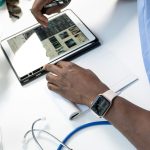
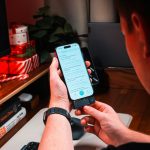
- Digital Resources: Patient portals, educational videos, and interactive online modules are increasingly common and can be accessed at home. Some healthcare systems provide electronic health records with integrated patient education tools [5] .
Real-World Example: Managing Chronic Disease
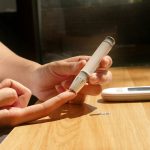
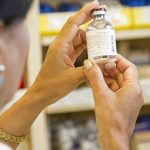
Consider Maria, a patient recently diagnosed with type 2 diabetes. Her care team provides a structured program covering blood glucose monitoring, medication, nutrition, and exercise. Through a combination of in-person instruction, printed guides, and online resources, Maria learns to recognize signs of hypoglycemia, adjust her diet, and self-administer insulin. Regular follow-ups and access to a diabetes educator empower Maria to manage her condition effectively and reduce her risk of complications [4] .
How to Access Patient Education Services
If you or a loved one could benefit from patient education, there are several ways to find support:
- Ask your primary care provider or specialist about available education programs specific to your diagnosis. Many clinics offer on-site education or can refer you to appropriate services.
- Check your hospital or healthcare system’s website for patient resources and education offerings. Look for sections labeled “Patient Education,” “Wellness Programs,” or “Chronic Disease Management.”
- Many national organizations, such as the American Diabetes Association and the American Heart Association, provide educational materials and virtual classes for patients and families. Visit their official websites for current offerings.
- If you prefer online learning, search for reputable medical institutions (such as Mayo Clinic or Cleveland Clinic) and navigate to their patient education sections. These organizations offer evidence-based articles, videos, and self-management tools.
- For specific conditions, consider reaching out to patient advocacy groups or nonprofit organizations, which often provide free or low-cost educational resources.
Note: To ensure the information is reliable, use official websites of recognized healthcare institutions or government agencies. Avoid unofficial or commercial websites that cannot be verified for accuracy.
Step-by-Step Guide: Making the Most of Patient Education
- Identify Your Needs: Reflect on what you want to learn-whether it’s about a diagnosis, medication, lifestyle changes, or managing symptoms.
- Speak with Your Healthcare Team: Let your provider know you are interested in learning more. Ask about available resources, classes, or referrals to educators.
- Review Materials: Carefully read or watch the materials provided. Take notes and highlight questions or areas of confusion.
- Ask Questions: Do not hesitate to ask your healthcare provider to explain terms, clarify instructions, or demonstrate techniques.
- Practice Skills: If learning a new skill (e.g., wound care, medication administration), ask to practice in the presence of a professional until you feel confident.
- Follow Up: Schedule follow-up appointments to review your progress, address challenges, and update your education plan as needed.
- Leverage Technology: Use patient portals, apps, and reputable online resources to reinforce learning and track your progress.
Potential Challenges and Solutions
Some patients may face barriers to effective education, such as limited health literacy, language differences, or sensory impairments. Solutions include using interpreters, providing materials in multiple languages, and choosing formats that match the patient’s learning style [6] . Providers should assess each patient’s needs and adapt education accordingly. Patients and families are encouraged to communicate openly about any difficulties they encounter.

Photo by Brett Jordan on Unsplash
Alternative Approaches and Additional Support
While traditional in-person education remains valuable, telehealth and digital tools have expanded access. Virtual visits, remote monitoring, and interactive apps can supplement or, in some cases, replace face-to-face sessions. Peer support groups-both online and in the community-offer shared experiences and practical advice, complementing professional education.
Key Takeaways
Patient education is a dynamic, collaborative process that empowers individuals to make informed health decisions, manage chronic conditions, and improve overall well-being. By actively engaging with healthcare providers, leveraging available resources, and seeking tailored information, patients can become confident partners in their care. For the best results, utilize official healthcare channels and communicate openly with your medical team to ensure education is personalized, accessible, and actionable.
References
- [1] AAFP (2000). Patient Education and the Family Physician.
- [2] Wikipedia (2024). Patient education overview.
- [3] Lecturio Medical (2022). What is Patient Education and Why is it Important?
- [4] World Health Organization (2023). Therapeutic patient education.
- [5] National Library of Medicine (2022). Promoting Patient Education and Health Literacy.
- [6] Health Care Education Association (2022). Patient Education Practice Guidelines for Health Care Professionals.