The Vital Role of Antioxidants in Protecting Cellular Health
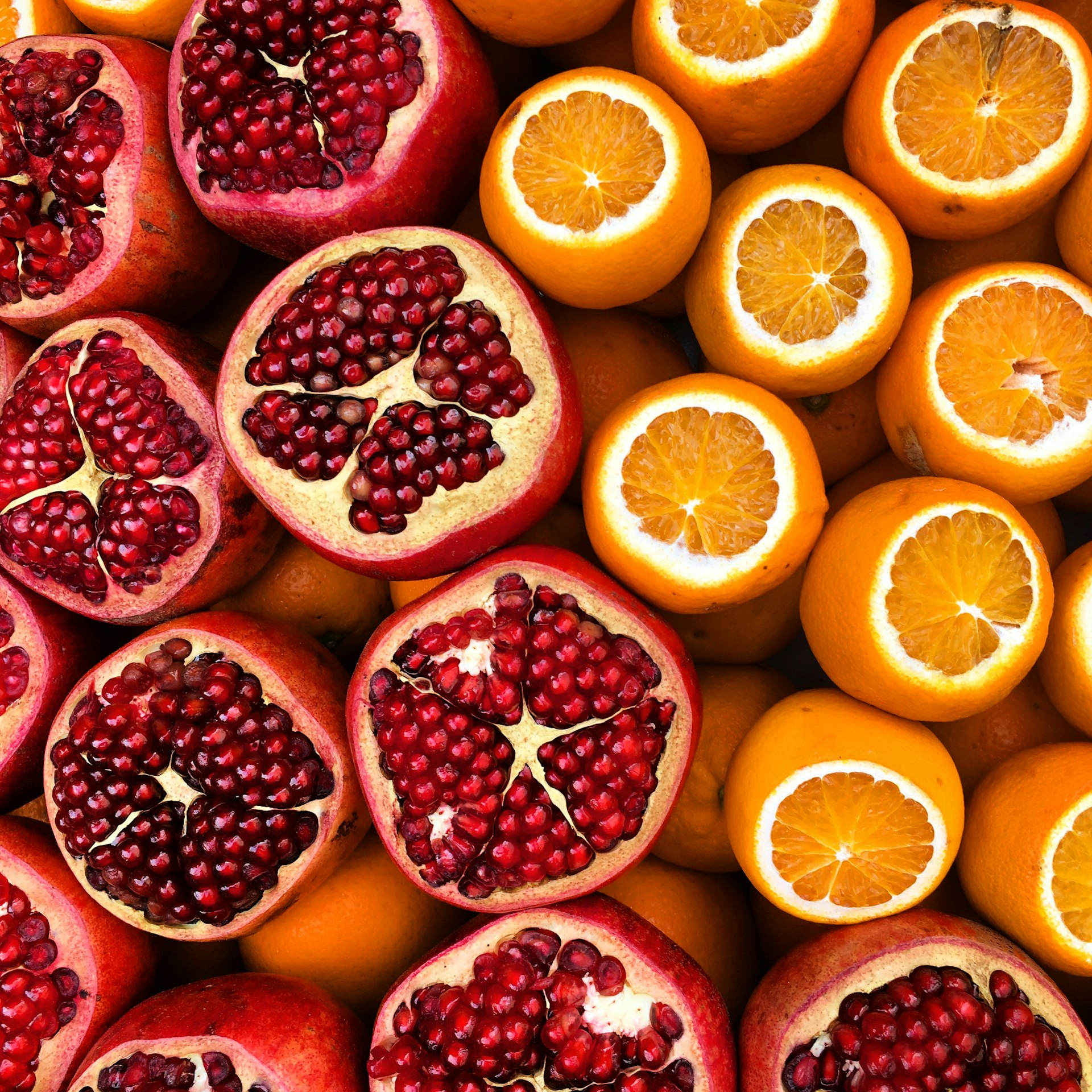

Photo by Tatiana Corsetti on Unsplash
Understanding Antioxidants and Their Essential Role in Cellular Health
Antioxidants are molecules that play a crucial role in maintaining cellular health by neutralizing harmful free radicals, which are unstable molecules produced during normal metabolic processes, environmental exposures like pollution and UV radiation, and lifestyle factors such as smoking. [1] [4] Free radicals can damage healthy cells by stealing electrons, leading to oxidative stress-an imbalance that contributes to chronic diseases including cancer, heart disease, and cataracts. By donating electrons to free radicals without becoming unstable themselves, antioxidants restore balance and protect cellular structures like DNA, proteins, and lipids. [1] [2] This protective mechanism supports overall systemic health and well-being, as endogenous antioxidants help regulate cellular responses to oxidative and nitrosative stress.
At the cellular level, antioxidants not only scavenge free radicals but also enhance the body’s defense systems. For instance, they activate pathways like Nrf2, a transcription factor that boosts the production of antioxidant enzymes and detoxifying proteins, reducing inflammation and preventing cell damage or death. [2] Without adequate antioxidants, cells become vulnerable to lipid peroxidation-a process where free radicals attack cell membranes-resulting in biomarkers of damage that signal broader health issues. Real-world implications are evident in studies showing how antioxidant-rich diets correlate with lower incidences of age-related diseases, emphasizing their role beyond mere neutralization to active cellular adaptation and survival.
Key Types of Antioxidants and Their Specific Cellular Benefits
Common antioxidants include vitamins C and E, carotenoids like beta-carotene, lycopene, and lutein, as well as endogenous enzymes. Vitamin E, found in vegetable oils, nuts, seeds, and whole grains, acts primarily as a lipid-soluble antioxidant, embedding in cell membranes to prevent peroxidation and protect against cancer, heart disease, and cataracts. [1] It collaborates with vitamin C, a water-soluble powerhouse in citrus fruits, strawberries, peppers, and broccoli, which regenerates vitamin E and supports collagen production while aiding iron absorption and immune function. [1]
Carotenoids contribute vibrant colors to fruits and vegetables and combat free radical damage effectively. Beta-carotene in carrots and sweet potatoes, lycopene in tomatoes, and lutein in spinach and kale may reduce cancer risks and macular degeneration by quenching reactive oxygen species (ROS). [1] [3] Endogenous antioxidants, produced by the body, include enzymes like superoxide dismutase and catalase, which are upregulated via Nrf2 activation in response to moderate ROS levels, enabling cells to adapt without harm. [2] These work in tandem with dietary sources to modulate signaling pathways such as NF-kB and AP-1, influencing cell proliferation, apoptosis, and inflammation control.
Challenges arise when antioxidant levels are insufficient due to poor diet, increased stress, or aging, leading to heightened oxidative damage. Solutions involve consistent intake from diverse foods rather than relying solely on supplements, as high-dose supplements can sometimes act as pro-oxidants under certain cellular conditions. [2] [1] For example, a study highlighted how Nrf2 activation protects liver and lung cells from chemical-induced damage, illustrating targeted cellular defense.
Antioxidants in Disease Prevention and Cellular Protection
Oxidative stress underlies many diseases, but antioxidants mitigate this by preventing free radical chain reactions. In cardiovascular health, they reduce LDL cholesterol oxidation, curbing atherosclerosis and improving blood flow to lower heart attack risks. [3] [1] For neurodegenerative conditions like Alzheimer’s and Parkinson’s, antioxidants shield neurons from free radical assault, potentially slowing progression and supporting cognitive function through anti-inflammatory effects. [3]
Cancer prevention is another key area, where antioxidants neutralize free radicals that could mutate DNA, with carotenoids showing promise in reducing certain cancer risks. [1] [5] In the gastrointestinal tract, Nrf2-mediated enzyme induction prevents tumor formation, while in the eyes, lutein combats macular degeneration. [2] Practical examples include populations with high berry and leafy green consumption exhibiting lower chronic disease rates, underscoring dietary patterns’ impact.
Potential hurdles include over-reliance on supplements, which research indicates may not replicate food benefits and could elevate cancer risks in some cases. Instead, integrate antioxidants holistically: pair berries with oatmeal for breakfast, add spinach to salads, and snack on nuts. Monitor intake via food diaries and consult professionals if deficiencies are suspected, ensuring balanced redox conditions.
Practical Strategies to Boost Antioxidant Intake for Cellular Health
To harness antioxidants effectively, prioritize whole foods over supplements. Start by incorporating berries (blueberries, strawberries), dark leafy greens (kale, spinach), and colorful vegetables (carrots, tomatoes, broccoli) daily-their pigments signal high antioxidant content. [3] [1] Step 1: Assess your plate-aim for half vegetables and fruits. Step 2: Vary colors for diverse carotenoids. Step 3: Include nuts, seeds, and whole grains for vitamin E.
Sample daily plan: Breakfast-oatmeal with berries and walnuts; Lunch-spinach salad with tomatoes and peppers; Dinner-broccoli with sweet potatoes and salmon. This approach not only neutralizes free radicals but activates endogenous defenses. Alternatives for busy lifestyles include frozen produce, which retains antioxidants, or smoothies blending multiple sources.
Challenges like taste preferences or accessibility can be addressed by gradual introduction-start with familiar items like oranges-and community-supported agriculture for fresh options. Track progress by noting energy levels and skin health improvements, common cellular health indicators. For personalized advice, consult a registered dietitian to evaluate needs, especially if facing high oxidative stress from exercise or pollution.
Balancing Antioxidants: Endogenous vs. Exogenous and Potential Risks
While dietary antioxidants are vital, the body produces endogenous ones via Nrf2 and other pathways, responding dynamically to ROS for signaling roles in growth and immunity. [2] Over-supplementation risks pro-oxidant effects, particularly at high doses, highlighting the need for moderation. Health authorities recommend food-first approaches, as they provide synergistic compounds absent in pills. [1]
In practice, combine strategies: moderate exercise to stimulate Nrf2 without excess ROS, stress management to curb free radical production, and sleep for cellular repair. Case studies, like those on Nrf2 in wound healing, show accelerated recovery with balanced antioxidant support. [2] Key takeaway: Antioxidants fortify cellular resilience, but integration with lifestyle yields optimal results.

Photo by Hristina Eftimova on Unsplash
References
[1] Academy of Nutrition and Dietetics (n.d.). Antioxidants: Protecting Healthy Cells. [2] Poljsak, B. et al. (2013). The importance of antioxidants which play the role in cellular response against oxidative/nitrosative stress. [3] Main Line Health (n.d.). What are antioxidants and how do they help the body? [4] Cleveland Clinic (n.d.). Oxidative Stress: Causes, Symptoms & Treatment. [5] National Cancer Institute (n.d.). Antioxidants and Cancer Prevention.