
The Link Between Common Everyday Foods and Long-Term Health Outcomes
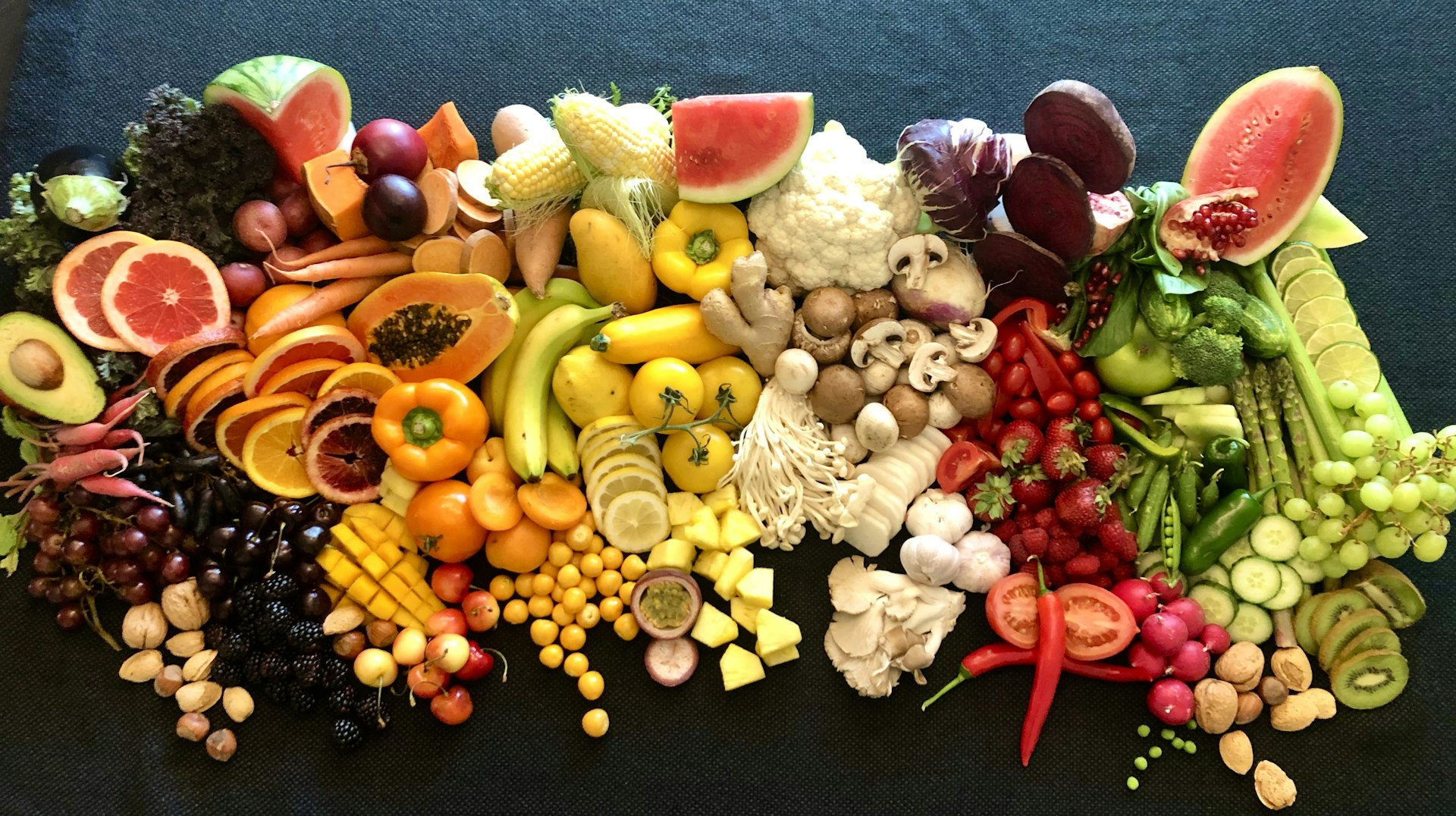

Photo by Jan Landau on Unsplash
Understanding the Ubiquity of Modern Food Choices
Walk into any grocery store, and you’ll find shelves lined with products that promise convenience, long shelf lives, and bold flavors. From pre-packaged snacks to frozen meals, these items have become a staple in many households, driven by busy schedules, affordable pricing, and aggressive marketing. Yet, behind their appealing packaging lies a complex mix of ingredients that may not support long-term health, even if they taste satisfying in the moment.
Defining the Category of Highly Processed Edibles
Researchers use a classification system called NOVA to categorize foods based on their processing levels. The system includes four groups: unprocessed or minimally processed foods (like fresh fruits, vegetables, and whole grains), processed culinary ingredients (such as olive oil, sugar, and salt), processed foods (like canned beans or bread made from basic ingredients), and the most heavily processed group, which includes items made with industrial ingredients not typically used in home cooking. These products often contain hydrogenated oils, artificial sweeteners, flavor enhancers, and preservatives to extend shelf life and boost palatability.
These highly processed items are designed to be hyper-palatable, meaning they combine high levels of sugar, salt, and fat in ratios that trigger reward centers in the brain. This can lead to overconsumption, as the brain craves more of these rewarding foods, even when the body is not in need of additional calories.
Connecting Regular Consumption to Persistent Health Challenges
Over the past two decades, numerous epidemiological studies have explored the relationship between frequent intake of these foods and chronic health conditions. A 2019 study published in the
BMJ
followed more than 100,000 adults in France for five years, using food frequency questionnaires to track their diets. The study found that a 10% increase in the proportion of these foods in the diet was associated with a 12% higher risk of developing type 2 diabetes, even after controlling for factors like age, physical activity, and body mass index (BMI).
Another large-scale study, published in
JAMA Internal Medicine
in 2020, followed over 20,000 adults in the United States for 15 years. The researchers found that participants who consumed more than 70% of their calories from these highly processed foods had a 28% increased risk of cardiovascular disease, including heart attacks and strokes, compared to those who consumed less than 40% of their calories from these items.
Obesity is another key concern linked to regular consumption of these foods. A 2021 study in
Cell Metabolism
conducted a randomized controlled trial with 20 participants, half of whom ate a diet rich in highly processed foods and the other half ate a minimally processed diet. Over just two weeks, the participants on the highly processed diet consumed an average of 500 more calories per day than those on the minimally processed diet, leading to an average weight gain of 2 pounds. The study also found that the participants on the highly processed diet reported feeling less full after meals, which may explain the increased calorie intake.
Exploring the Biological Mechanisms at Play
There are several ways these highly processed foods can impact the body over time. Added sugars, a common ingredient in many of these products, can raise blood glucose levels and contribute to insulin resistance, a precursor to type 2 diabetes. When insulin resistance develops, the body’s cells do not respond properly to insulin, leading to high blood sugar levels that can damage organs over time.
Trans fats, often found in fried and packaged foods, can increase LDL (bad) cholesterol levels and lower HDL (good) cholesterol levels, raising the risk of heart disease. These fats are created through a process called hydrogenation, which turns liquid oils into solid fats to extend shelf life and improve texture.
Additionally, many of these products contain additives that can disrupt the gut microbiome, the collection of bacteria that plays a crucial role in digestion, immune function, and mood. A 2020 study in
Nature Microbiology
found that certain emulsifiers, used to improve texture in processed foods, can alter the composition of the gut microbiome, leading to inflammation and increased risk of metabolic disorders like obesity and type 2 diabetes. The study also found that these emulsifiers can increase intestinal permeability, allowing harmful substances to leak into the bloodstream and trigger an immune response.
Making Informed Choices for Long-Term Wellness
While completely eliminating these highly processed foods from one’s diet may not be feasible for everyone, small changes can make a difference. For example, swapping a pre-packaged snack for fresh fruit or nuts, or choosing homemade meals over frozen dinners a few times a week, can reduce overall intake of these products. Reading ingredient labels carefully can also help individuals identify products with fewer processed ingredients; items with short ingredient lists that include recognizable foods are often a better choice.
It’s important to note that individual responses to these foods can vary based on factors like genetics, activity level, and overall diet. For this reason, consulting with a healthcare provider or registered dietitian can provide personalized guidance tailored to one’s specific health needs and goals. These professionals can help individuals create a balanced diet that includes a variety of nutrient-dense foods while still allowing for occasional indulgences.

Photo by Nathan Dumlao on Unsplash
Learning about the potential impact of highly processed foods on long-term health is the first step toward making more informed choices. By taking the time to understand these connections, individuals can take control of their daily habits and support their overall health for years to come. Further research into the specific ingredients and mechanisms behind these health impacts can provide even more insights into how to promote long-term wellness through diet.