
The Impact of Hydration on Cognitive Performance: Key Insights and Practical Strategies
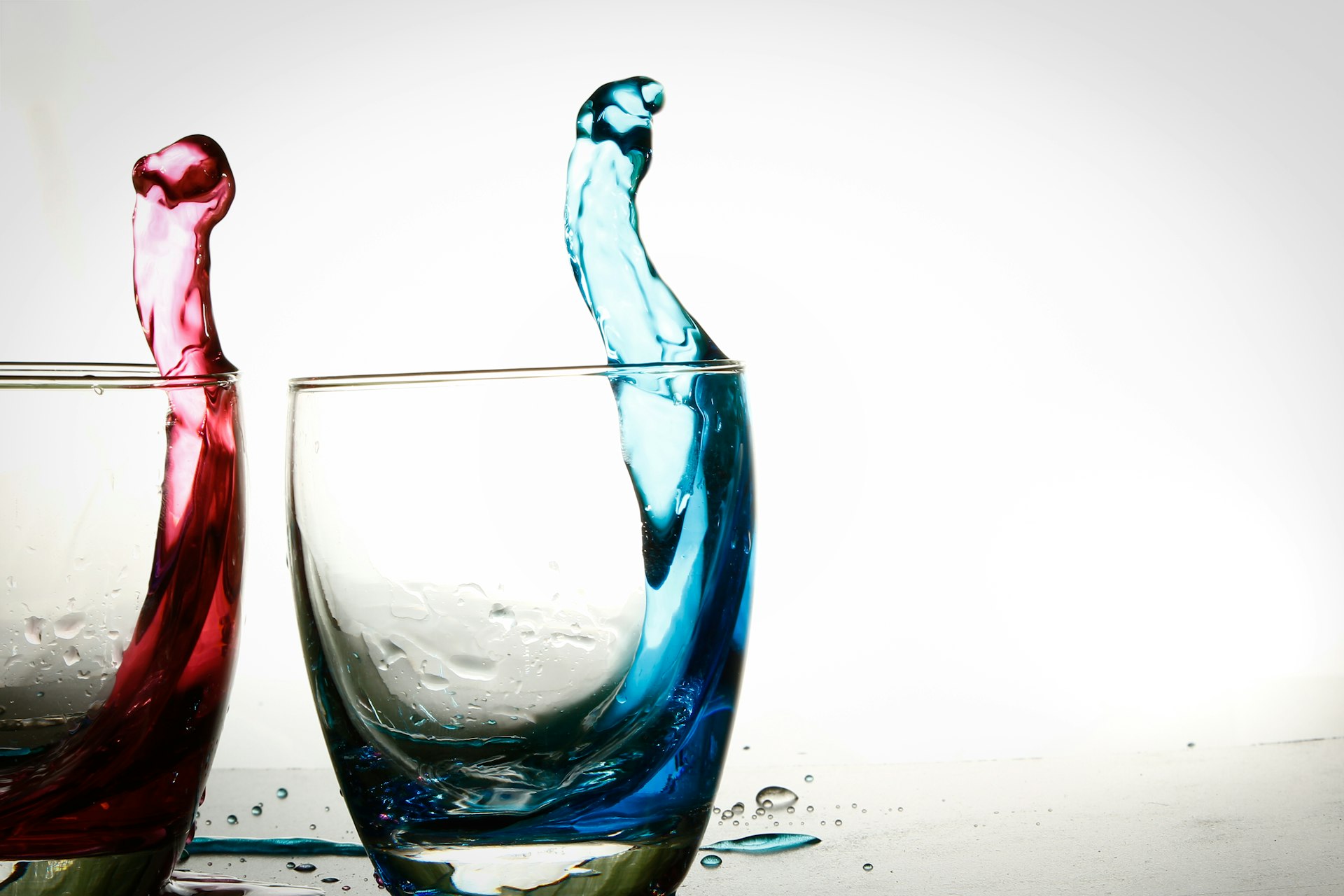

Photo by Pascal Meier on Unsplash
Understanding the Link Between Hydration and Cognitive Performance
The human brain relies heavily on water, which makes up about 75% of its mass. [1] When hydration levels drop, even mildly, cognitive functions such as memory, attention, and reaction times can suffer significantly. Research consistently shows that dehydration leads to declines in short-term memory, increased errors in tasks, and worsened mood states like fatigue and low vigor. [1] For instance, a study involving 12 men found that dehydration caused poorer scores in vigor, esteem-related affect, and short-term memory, with more errors in cognitive tests. [1] Rehydration, however, reversed these effects, improving fatigue levels, mood disturbance, attention, and reaction times. This demonstrates that maintaining hydration is not just about physical health but directly supports mental sharpness.
Dehydration’s impact extends beyond immediate tasks. A systematic review of 24 trials with 493 participants defined significant dehydration as more than 2% body mass loss, noting impairments in cognitive performance, mood, fatigue, and perceived exertion, especially when combined with heat stress. [1] Mild dehydration (1-2% body water loss) alone can impair performance, as confirmed by recent literature. [4] These findings highlight why staying hydrated is crucial for anyone engaged in mentally demanding activities, from students to professionals.
How Dehydration Specifically Impairs Cognitive Domains
Mild dehydration has been linked to slower reaction times, reduced alertness, and impaired memory in young adults. One study compared hydrated and dehydrated groups, finding the dehydrated participants had 12-18% slower reaction times, lower performance in sustained attention, executive function, and working memory, plus higher subjective fatigue. [2] Tasks like the Stroop Test, which measure cognitive flexibility and processing speed, showed higher error rates and delays in the dehydrated group. Over time, these effects compounded, with greater impairments during longer testing intervals. [2]
Electrolyte imbalances from dehydration disrupt neuronal signaling, slowing cognitive processing and motor responses. [2] This is particularly relevant for high-stakes environments like academics or athletics, where split-second decisions matter. Correlation analyses revealed an inverse relationship between dehydration markers (like urine osmolality) and cognitive efficiency, meaning worse hydration directly predicts poorer brain function. [2] Participants also reported feeling more exhausted and mentally drained, underscoring the subjective toll.
In children, similar patterns emerge. Increasing fluid intake by about 625mL over a school day improved vigor and short-term memory performance compared to controls. [5] Dehydration below 2% body mass loss still impacts cognition, showing vulnerability across age groups. [5]
Hydration Effects in Older Adults and Gender Differences
For older adults, hydration status influences cognitive tests measuring motor speed, sustained attention, and working memory. Lower hydration levels correlated with poorer scores in women, but not men. [3] Overhydration showed a similar negative trend, suggesting an optimal ‘sweet spot’ for best performance, especially in attention-demanding tasks. [3] Even brief tests revealed these effects, implying longer focus periods could amplify issues.
Dehydrated brains exhibit increased neuronal activation during tasks, indicating compensatory effort that may lead to fatigue. [8] This is vital for aging populations, where maintaining hydration could support cognitive vitality.
Role of Electrolytes and Mood in Cognitive Function
Beyond water, electrolytes like magnesium play a key role. Magnesium may reduce depressive symptoms, improve sleep, and stabilize mood, indirectly boosting cognition. [1] Electrolyte balance is essential post-sweat loss, supporting hydration and mental performance. [1] Studies indicate water consumption positively affects specific cognitive abilities and mood states. [6] Increasing hydration improves mood, energy, and attention overall. [7]

Photo by Andrew R on Unsplash
Practical Strategies to Optimize Hydration for Better Cognition
To harness these benefits, monitor hydration through urine color (pale yellow is ideal) or body weight changes. Aim for 2-3 liters of water daily, adjusting for activity, climate, and age. For example, after exercise, rehydrate with water plus electrolytes to restore balance quickly. [1]
Step-by-step implementation: 1) Start your day with 500mL water upon waking to combat overnight dehydration. 2) Set reminders every 1-2 hours to sip 250mL. 3) Incorporate hydrating foods like fruits and vegetables. 4) During work or study, keep a bottle visible and track intake via apps. 5) Post-dehydration signs (headache, fatigue), drink 500mL immediately and rest. Challenges like forgetting to drink can be addressed with habitual pairing, like water with meals. Alternatives include herbal teas or infused water for variety.
In schools or workplaces, policies like hydration breaks could enhance performance. For older adults, regular checks prevent subtle declines. Real-world application: Students drinking more water during class days showed better memory; professionals could see productivity gains from steady intake. [5]
Potential Challenges and Long-Term Considerations
Overhydration risks dilution of electrolytes, mimicking dehydration effects. [3] Individual needs vary by factors like medication or health conditions-consult professionals for tailored advice. Long-term dehydration consequences remain understudied, but consistent hydration likely builds cognitive resilience. [4]
Future research may refine thresholds and mechanisms, but current evidence urges proactive hydration. Organizations can promote awareness through education and accessible water, boosting collective cognitive efficiency. [2]
References
[1] Cadence (n.d.). The Effects of Hydration on Cognitive Performance. [2] Mohamed et al. (Year not specified). Hydration status and its impact on cognitive performance. [3] Penn State University (n.d.). Hydration may affect cognitive function in some older adults. [4] PMC (2014). The Hydration Equation: Update on Water Balance and Cognitive Performance. [5] Hydration for Health (n.d.). Hydration, mood state and cognitive function. [6] PubMed (2014). Effects of hydration status on cognitive performance and mood. [7] News-Medical (n.d.). Levels of Hydration and Cognitive Function. [8] AlzDiscovery (n.d.). Can dehydration impair cognitive function?