
The Impact of Blue Light on Circadian Rhythm: Understanding Effects and Mitigation Strategies
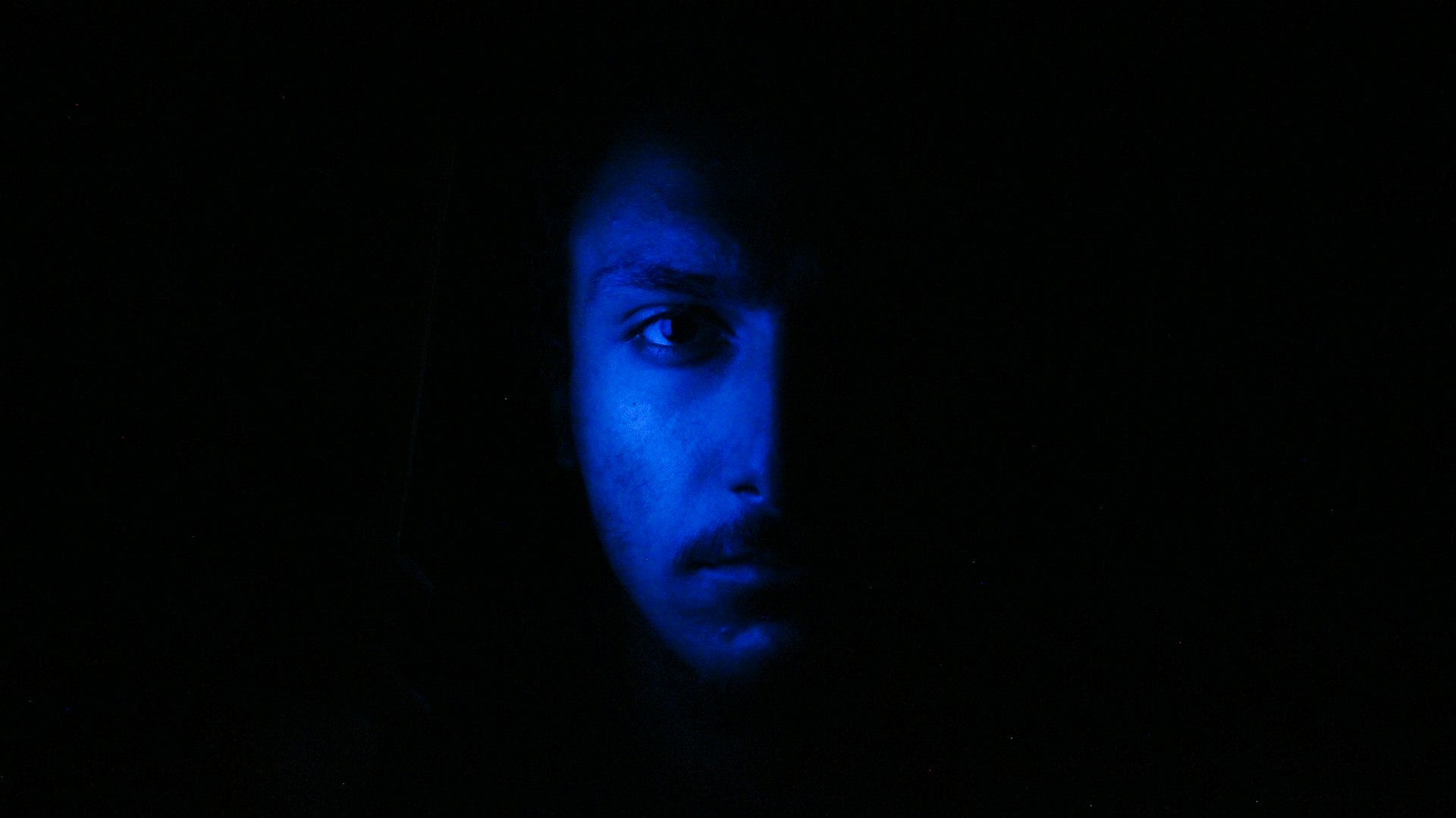

Photo by Ahmed Youssry on Unsplash
Understanding Blue Light and Its Role in Daily Life
Blue light, a high-energy visible light with wavelengths around 480 nanometers, is naturally present in sunlight and increasingly emitted by digital screens, LEDs, and artificial lighting. During daylight hours, it plays a beneficial role by promoting alertness, enhancing mood, and regulating the body’s internal clock known as the circadian rhythm. This 24-hour cycle governs sleep-wake patterns, hormone release, and physiological processes. However, evening exposure to blue light can interfere with this delicate balance, signaling the brain to stay awake when it should prepare for rest. Research indicates that blue light has the strongest impact on circadian rhythms compared to other colors like red or green, primarily because it activates specialized cells in the retina called intrinsically photosensitive retinal ganglion cells (ipRGCs), which contain melanopsin and peak sensitivity at blue wavelengths. [1] [2]
In modern lifestyles, sources of blue light include smartphones, tablets, computers, and energy-efficient bulbs, leading to prolonged exposure even after sunset. This artificial mimicry of daylight confuses the suprachiasmatic nucleus (SCN), the brain’s master clock, disrupting synchronization with the natural light-dark cycle. A study on university students found that just two hours of evening light exposure caused an average 1.1-hour delay in circadian phase, exacerbating sleep issues particularly in adolescents whose natural rhythms already shift later during puberty. [3] Real-world examples abound: shift workers and night owls scrolling social media often report difficulty falling asleep, illustrating how ubiquitous devices amplify these effects.
How Blue Light Disrupts Melatonin Production and Circadian Alignment
Melatonin, the hormone produced by the pineal gland that induces sleepiness, is highly sensitive to light. Blue light suppresses its secretion by signaling the brain that it’s daytime, reducing melatonin levels by up to 55% after two hours of tablet use compared to reading a printed book. This suppression not only delays melatonin onset-by three hours with blue light versus 1.5 hours with green light-but also alters cortisol expression, potentially increasing stress hormones at inappropriate times. [4] [2] The result is a phase delay in the circadian rhythm, where the body’s peak alertness shifts later, leading to later bedtimes and morning grogginess.
Genetic factors influence vulnerability; variations in genes like CRY1, NPAS2, BMAL1, and PER3 modulate melatonin suppression from evening blue light. Individuals with certain risk genotypes show blunted rhythms, worsened by screen habits. Surveys of teens aged 13-18 link increased evening screen use to later school-night bedtimes, compounding academic pressures and early start times. In one Harvard study, participants exposed to blue light at night experienced elevated blood sugar and reduced leptin (a satiety hormone), hinting at metabolic links, though more research is needed on conditions like diabetes or obesity. [3] These disruptions extend beyond sleep, potentially affecting cognitive function, mood, and long-term health.
Daytime Benefits Versus Nighttime Risks
Context matters: daytime blue light boosts attention, reaction times, and serotonin production, countering post-lunch dips in alertness. Controlled studies show it reduces subjective sleepiness and improves performance without altering EEG-measured alertness in some cases. Blue light therapy treats seasonal affective disorder (SAD), jet lag, and circadian disorders by realigning rhythms, elevating heart rate and body temperature for wakefulness. [5] [6]
Conversely, nighttime exposure heightens risks. Prolonged screen time delays sleep onset, shortens duration, and impairs efficiency by overriding natural melatonin cues calibrated to sunset. A systematic review found half of studies reporting decreased tiredness and improved sleep efficacy with reduced blue light, alongside neutral effects on sleep latency. Cognitive perks like faster reaction times emerge daytime, but evening use spikes irritability, tension, and arousal, disrupting wellbeing. [7] Case in point: college students using LEDs evenings showed 1.5-hour melatonin delays, mirroring broader trends in digital natives.
Practical Strategies to Mitigate Blue Light’s Negative Impact
To counteract these effects, start by timing exposure: limit screens 2-3 hours before bed, as even short bursts cause phase delays. Implement the 20-20-20 rule-every 20 minutes, look 20 feet away for 20 seconds-to reduce cumulative strain. Night mode features on devices shift screens to warmer tones, filtering blue wavelengths; evidence supports their use alongside dimming brightness.
Blue light-blocking glasses, effective in studies like one at the University of Toronto where they attenuated suppression, offer another layer. Choose lenses peaking at 480nm blockage. Optimize environments with red or amber bulbs post-sunset, as these minimally affect ipRGCs. For families, establish device-free zones like bedrooms and enforce routines; adolescents benefit most from curfews aligning with puberty shifts. [4]
Step-by-step implementation: 1) Audit daily screen time via phone trackers. 2) Set auto-filters for evenings. 3) Incorporate morning sunlight walks for rhythm reinforcement. 4) Track sleep with journals or apps noting onset and quality. Challenges like work demands? Use f.lux software or similar for gradual shifts. Alternatives include printed reading or hobbies sans screens. Consistency yields results: users report faster sleep onset and energized mornings after weeks.
Long-Term Health Implications and Research Gaps
Chronic misalignment links to mood disorders, cognitive decline, metabolic issues, and possibly cancer or heart disease, though causation remains under study. Adolescents face heightened risks from dual hits of puberty and screens. Wellbeing improves with management-reduced anxiety, better mood-but studies vary; some show no cognitive change from blue light alone.

Photo by Chris Barbalis on Unsplash
Future research needs diverse populations and long-term data on filters’ efficacy. Until then, balanced habits safeguard rhythms. By understanding blue light’s dual nature, individuals can harness daytime gains while minimizing nocturnal pitfalls, fostering sustainable wellness in a lit-up world. [7]
References
[1] CDC (2023). Module 2: The Color of the Light Affects Circadian Rhythms. [2] Physiopedia. Blue Light and the Effect on Sleep. [3] Chronobiology in Medicine (2023). Impacts of Blue Light Exposure From Electronic Devices. [4] AAST (2023). Shedding Light on Blue Light and Sleep. [5] PMC (2022). The influence of blue light on sleep, performance and wellbeing. [6] Sleep Foundation (2023). Blue Light: What It Is and How It Affects Sleep. [7] UMK (2023). Managing Blue Light Exposure: Impacts on Sleep Quality.