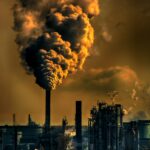
The Impact of Air Quality on Respiratory Health: Key Findings and Protective Strategies
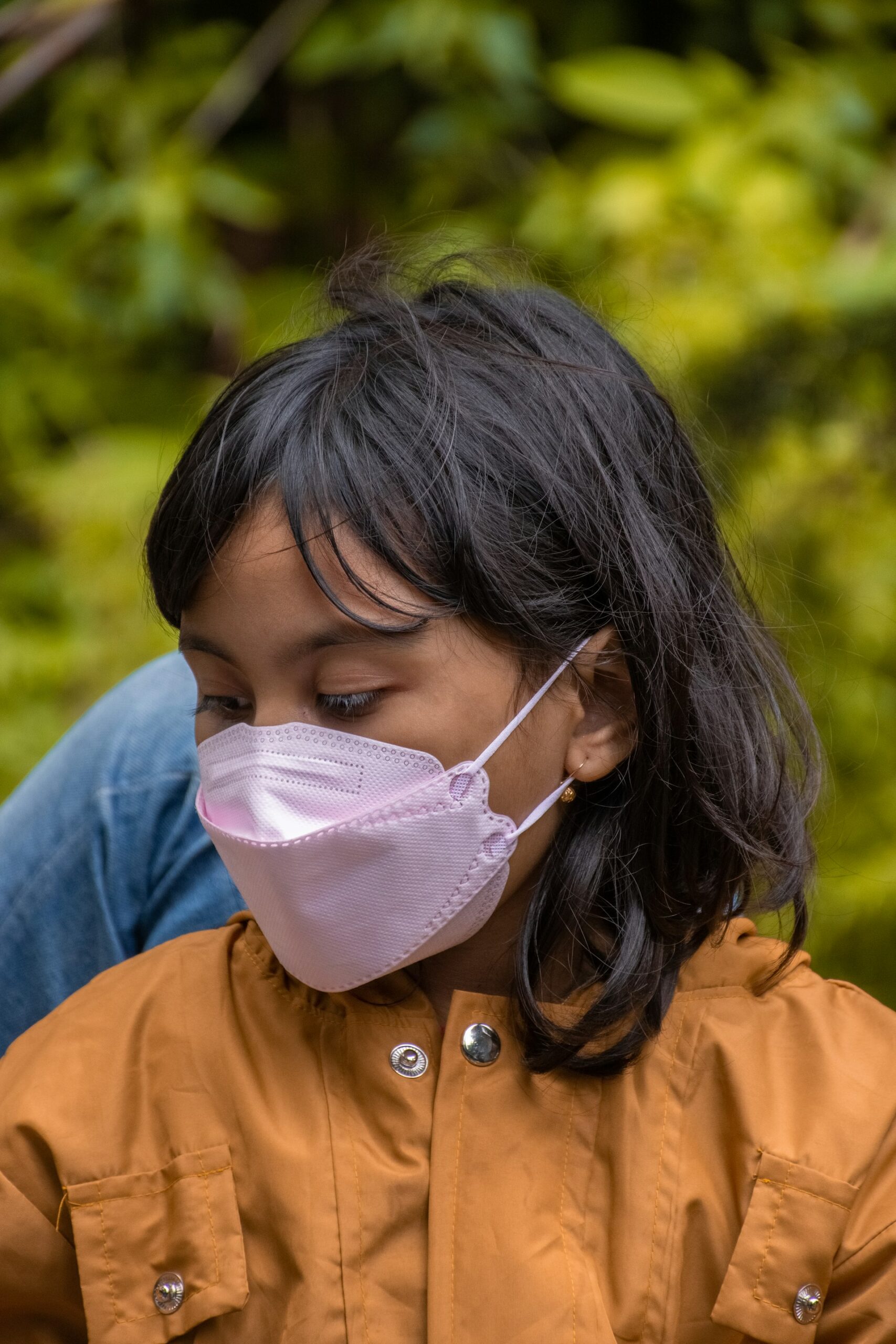

Photo by Rafael Atantya on Unsplash
Understanding the Link Between Air Quality and Respiratory Health
Poor air quality has a profound effect on respiratory health, contributing to the development and exacerbation of conditions such as asthma, chronic obstructive pulmonary disease (COPD), and tuberculosis. Extensive research demonstrates that pollutants like particulate matter (PM), nitrogen dioxide (NO
2
), ozone, and high Air Quality Index (AQI) levels trigger inflammation in the airways, reduce lung function, and increase hospital admissions.
[1]
[2]
For instance, higher AQI levels consistently correlate with more hospital visits for respiratory illnesses, especially among children and the elderly. This connection is not merely correlational; studies control for socioeconomic factors like GDP per capita, healthcare expenditure, and smoking rates, revealing air pollution as an independent risk factor.
[1]
The mechanisms involve pollutants penetrating deep into the lungs, causing oxidative stress, cilia dysfunction, and chronic inflammation. Short-term exposure can aggravate asthma symptoms, while long-term exposure leads to structural changes in airways, impairing forced expiratory volume in one second (FEV1) and forced vital capacity (FVC). Real-world evidence from urban areas shows a dose-dependent relationship: moderate pollution exposure reduces FEV1 by 0.25 L and FVC by 0.30 L, escalating to 0.45 L and more in high-exposure scenarios. [2] These declines predict higher hospitalization risks and premature mortality, underscoring the public health urgency.

Photo by Bangun Stock Production on Unsplash
Specific Pollutants and Their Respiratory Effects
Particulate matter (PM), especially fine PM2.5, is a primary culprit, linking to reduced lung function, infections, and aggravated asthma. The World Health Organization notes that high PM levels cause short-term respiratory infections and long-term lung capacity loss.
[7]
A landmark study in Utah Valley illustrated this: when a steel mill closed, hospital admissions for bronchitis and asthma dropped nearly 50%, only to rise upon reopening.
[4]
Similarly, NO
2
promotes lung inflammation and COPD progression by damaging airway tissues.
[1]
Ozone shows mixed results; while some studies link it to respiratory harm, others note inconsistent ties influenced by socioeconomic factors. [1] Oxidizing gases and PM stimulate inflammation and impair mucociliary clearance, heightening vulnerability to infections like tuberculosis. [6] The European Environment Agency identifies air pollution as a major COPD risk, the leading cause of preventable respiratory deaths. [8] These pollutants interact synergistically, amplifying effects in high-pollution periods.
Vulnerable Populations and Disease-Specific Impacts
Certain groups face heightened risks. Older adults, males, and smokers exhibit stronger associations between pollution and chronic respiratory conditions, with adjusted odds ratios up to 2.45 for high exposure.
[2]
Children experience lung growth impairments, with improved air quality leading to better mid-maximal expiratory flow (MMEF) rates and lower asthma incidence.
[3]
Low-income regions with poor healthcare see elevated tuberculosis and COPD rates tied to high AQI and NO
2
.
[1]
Asthma often worsens with PM and AQI spikes, though incidence may not always rise significantly. COPD patients suffer FEV1 drops and more exacerbations post-pollution surges. [3] Tuberculosis correlates positively with AQI in high-pollution eras, potentially due to weakened immunity. [1] The American Lung Association reports consistent improvements in children’s respiratory health and adult mortality with declining PM2.5. [5] Socioeconomic modifiers like higher smoking prevalence exacerbate these trends globally.
Evidence from Global and Urban Studies
Urban studies reinforce these links. In high-pollution cities, chronic respiratory prevalence reaches 19.1%, with FEV1 at 2.60 L versus lower rates in cleaner areas. [2] Sensitivity analyses across models confirm robustness, even adjusting for activity, occupation, and secondhand smoke. Moving to cleaner areas boosts lung function growth, as seen in longitudinal cohorts. [3]
Globally, air pollution drives COPD as the top preventable respiratory killer. [8] Reducing emissions yields measurable benefits: steel mill closures cut admissions dramatically, and PM2.5 declines improve child health. [4] [5] These cases highlight pollution’s reversibility, motivating policy and personal actions.
Protective Measures and Actionable Steps
Individuals can mitigate risks through practical steps. First, monitor local AQI via official apps or weather services; avoid outdoor activities when AQI exceeds 100. Use N95 masks during high-pollution days to filter PM2.5. Indoor air purifiers with HEPA filters reduce household pollutants-choose models certified by independent testers.
Second, support lung health with lifestyle changes: quit smoking, as it synergizes with pollution for COPD risk; engage in indoor exercise during peaks; maintain humidity at 40-60% to prevent irritant buildup. Vulnerable individuals should consult physicians for personalized plans, including peak flow monitoring.
Communally, advocate for policies: contact local environmental agencies to report pollution sources or support clean air initiatives. Track improvements by noting personal symptoms against AQI trends. Challenges like access in low-income areas can be addressed via community health programs or public transport to reduce personal emissions. Alternatives include planting indoor plants like peace lilies for natural filtration, though not a substitute for mechanical purifiers.
Healthcare providers recommend annual spirometry for at-risk groups to baseline lung function. Early intervention, like inhalers during flares, prevents progression. Governments prioritize emission controls, yielding population-level gains as evidenced by historical data.
Future Directions and Global Implications
Reducing pollution and bolstering healthcare, especially in low-GDP areas, could alleviate the respiratory disease burden. [1] Ongoing research explores genetic susceptibilities and novel interventions like anti-inflammatory therapies. Urban planning integrating green spaces shows promise in diluting pollutants. Individuals contribute by choosing low-emission transport and energy-efficient homes.
By understanding these impacts, people empower themselves against invisible threats. Consistent evidence demands action: cleaner air means healthier lungs worldwide.
References
[4] Particle Pollution and Respiratory Effects. US EPA on hospital admissions.
[5] Health Impact of Air Pollution. American Lung Association on PM2.5 benefits.
[6] Impact of environmental air pollution on respiratory health. Physiological Society review.
[7] Health Impacts of Air Pollution. WHO on PM effects.
[8] Air pollution and respiratory disease. European Environment Agency on COPD.