Safely Returning to Regular Food After a Stomach Virus: A Step-by-Step Guide
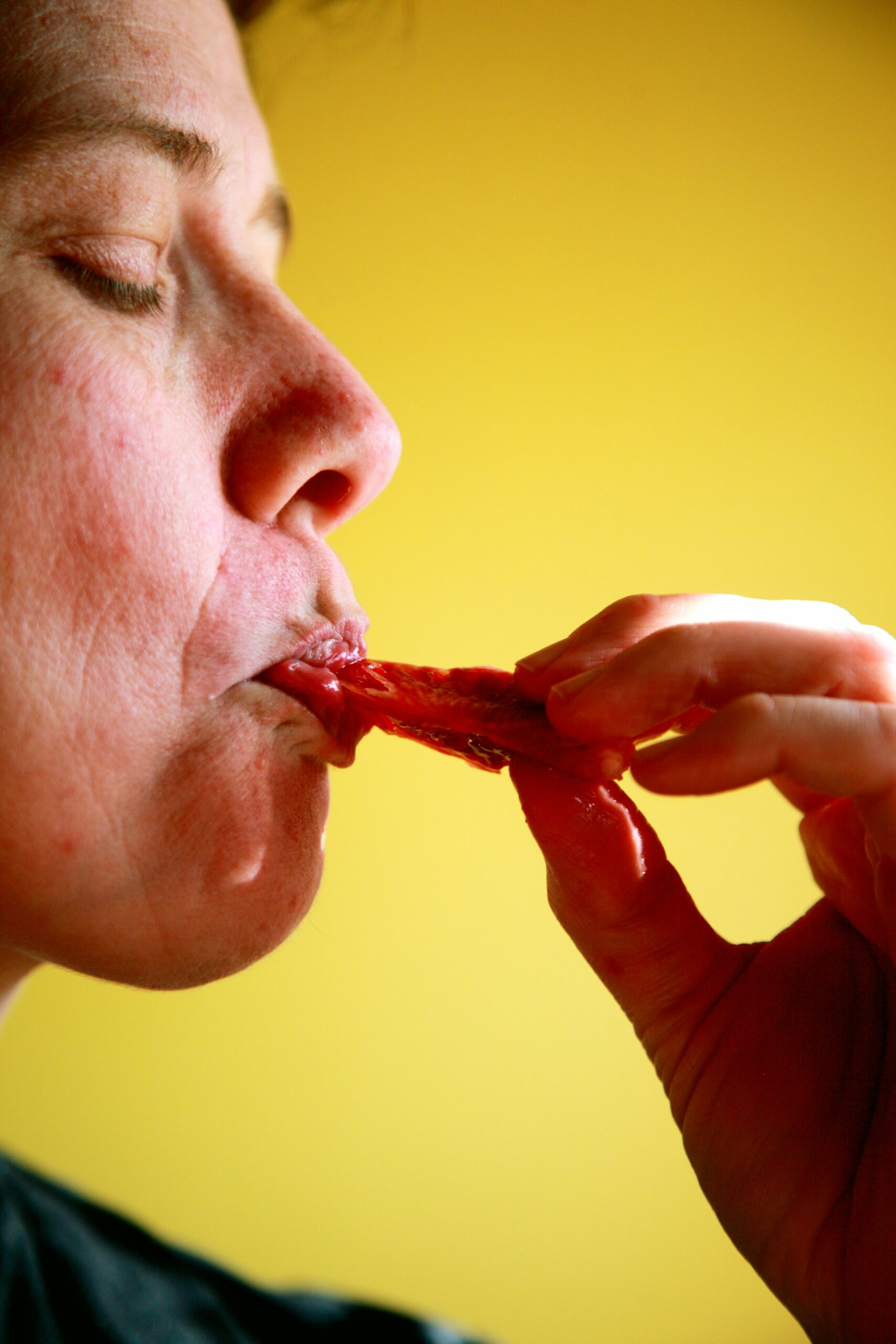

Photo by Shane on Unsplash
Understanding Stomach Virus Recovery
Recovering from a stomach virus, or viral gastroenteritis, can be a challenging experience. Symptoms such as nausea, vomiting, and diarrhea often leave you feeling drained and unsure about when it is safe to resume regular eating habits. The timeline for returning to your normal diet is unique to every individual, but certain guidelines and best practices can help you make this transition smoothly and safely. This guide provides detailed, actionable advice on how to reintroduce foods after a stomach virus, ensuring you regain strength while minimizing risk of relapse.
Why Gradual Reintroduction Is Essential
During a stomach virus, your digestive system becomes irritated and more sensitive than usual. Attempting to eat regular or heavy foods too quickly can trigger renewed symptoms, including nausea, vomiting, and diarrhea. The goal is to let your gut heal by starting with easily digestible foods and slowly progressing to your normal diet. Experts emphasize hydration and a gradual approach to eating as the foundation for a safe recovery [1] [2] [3] .
Step-by-Step Timeline for Reintroducing Food
First 6 Hours After Symptoms Stop
Allow your stomach a complete rest. Focus on small sips of water or sucking on ice chips to prevent dehydration. Avoid any solid foods or flavored drinks during this period as your stomach is still highly sensitive [3] .
Day 1: Clear Liquids
Once vomiting and diarrhea have stopped for several hours, you can begin to introduce clear liquids. Examples include water, diluted fruit juices (such as apple juice), weak tea, broth, or electrolyte solutions. The primary goal is to replace lost fluids and electrolytes. Avoid caffeinated, carbonated, or alcoholic beverages, as they may irritate your stomach further [2] .
Day 2: Bland Foods (BRAT Diet)
If you tolerate clear liquids without nausea or diarrhea, introduce bland, low-fiber foods. The BRAT diet-bananas, rice, applesauce, and toast-is widely recommended due to its simplicity and ease of digestion. You can also add foods like plain crackers, oatmeal, grits, or porridge. Eat small portions and increase gradually as tolerated. If symptoms return, scale back to clear liquids until your stomach settles [1] .
Day 3: Soft and Light Foods
On the third day, if bland foods are well-tolerated, slowly reintroduce soft foods such as scrambled or soft-boiled eggs, well-cooked vegetables, white meat chicken, or soft fruits (without skin or seeds). Continue to avoid spicy, greasy, fried, or high-fiber foods, as these can still be difficult to digest [2] .
After 3 Days: Gradual Return to Your Normal Diet
Once you consistently tolerate a wider range of bland and soft foods without a return of symptoms, you can begin adding other foods from your usual diet. This process can take anywhere from a few days to two weeks, depending on individual recovery speed and severity of illness. It’s important to listen to your body and avoid rushing this process. Most people are able to resume their normal diet within a week, but some require more time [3] .

Photo by Mia Cambriello on Unsplash
Foods and Drinks to Avoid Early in Recovery
To prevent a relapse or prolonged discomfort, avoid the following during the initial days after a stomach virus:
- Dairy products, including milk and cheese
- Greasy or fried foods
- Spicy dishes
- Raw vegetables and cruciferous vegetables (broccoli, cabbage)
- Citrus fruits and high-acid foods
- Berries (foods with seeds)
- Alcohol, soda, and caffeinated drinks
These foods can irritate your digestive tract or are more difficult to digest, increasing the risk of symptoms returning [2] .
Hydration: The Cornerstone of Recovery
Dehydration is a major risk during and after a stomach virus due to fluid and electrolyte loss from vomiting and diarrhea. Prioritize drinking water, diluted juices, herbal teas, and broths. Oral rehydration solutions (ORS) may be needed for those at greater risk, such as children, older adults, or those with severe symptoms. Look for ORS at pharmacies or ask your healthcare provider for recommendations.
If you are unable to keep fluids down for more than 24 hours, or if you experience signs of severe dehydration (such as dizziness, rapid heartbeat, or very dark urine), seek medical attention promptly.
Personalizing Your Recovery Timeline
The speed at which you can return to regular food depends on several factors, including your age, underlying health conditions, the severity of the virus, and how your body responds to reintroduced foods. Some may be able to eat regular meals within three days, while others require up to two weeks. Pay attention to your body’s signals. If symptoms like nausea or diarrhea reappear, take a step back in your progression and consult with a healthcare provider if needed [1] [3] .
Step-by-Step Instructions for a Successful Transition
For best results, follow these steps:
- Rest your stomach for 6 hours after vomiting stops. Sip water or suck on ice chips.
- Begin rehydrating with clear liquids. Drink small amounts frequently.
- After tolerating liquids, introduce bland foods (BRAT diet).
- Progress to soft foods on day 3, monitoring for any return of symptoms.
- Gradually reintroduce your normal foods over the next several days, avoiding triggers.
- If symptoms recur, scale back to previous step and advance more slowly.
Individuals with existing health conditions, young children, and older adults may need personalized advice. If you have concerns, consult your healthcare provider or a registered dietitian for specific guidance.
Alternative Approaches and Special Considerations
In some cases, dietary restrictions such as gluten-free or lactose-free diets must be maintained even during recovery. Choose bland foods that fit your usual dietary pattern. For those with chronic digestive issues, or if you take medications that affect digestion, consult your physician before making dietary changes.
For support in finding local nutrition professionals, you can search the Academy of Nutrition and Dietetics’ online directory or contact your primary care provider for a referral. If you have underlying medical conditions (such as diabetes or kidney disease), you may need adjustments to your recovery plan. Always discuss these with a health professional.
Key Takeaways for a Healthy Transition Back to Normal Eating
– Recovery from a stomach virus is individual; take it slow and listen to your body. – Start with fluids, progress to bland foods, then soft foods, and only then add regular foods. – Avoid foods and drinks that may irritate your stomach for at least several days. – Stay hydrated and watch for any signs of dehydration. – Seek medical advice if symptoms persist, worsen, or if you have underlying health concerns.