Nutrition Strategies for Optimal Gut-Brain Axis Health
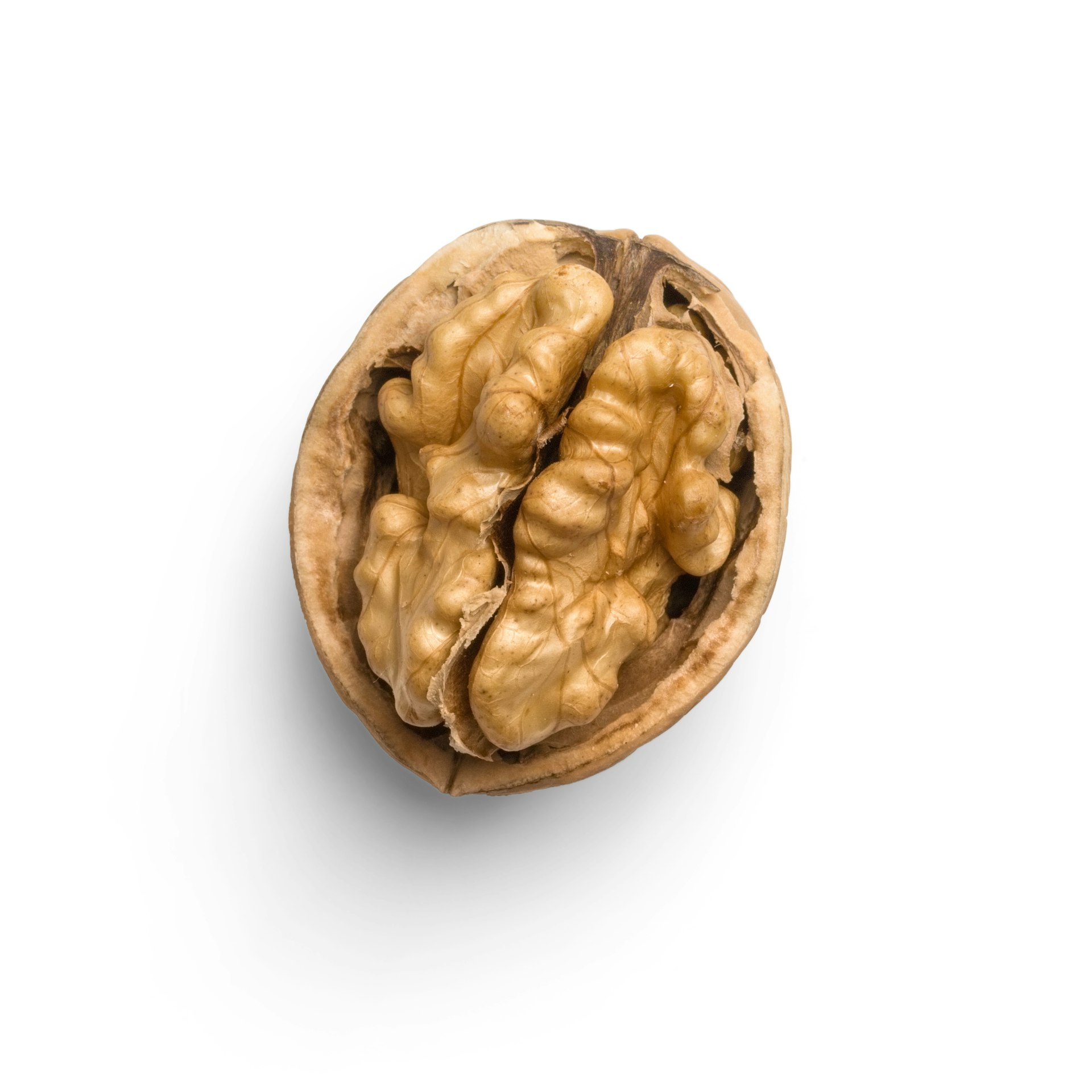

Photo by Mockup Graphics on Unsplash
Understanding the Gut-Brain Axis
The gut-brain axis represents the bidirectional communication network between the gastrointestinal tract and the central nervous system, involving neural, hormonal, and immunological pathways. This connection allows gut microbiota to influence brain function, mood regulation, and cognitive processes through the production of neurotransmitters, short-chain fatty acids, and immune signaling molecules [1] [3] . Millions of nerves, including the vagus nerve, facilitate 80% afferent signals from gut to brain and 20% efferent signals from brain to gut, enabling real-time influence on digestion, stress responses, and mental health [3] . Disruptions in this axis, often linked to poor diet, can contribute to anxiety, depression, and cognitive decline. Nutrition plays a pivotal role by shaping microbiota composition, which in turn modulates brain health. For instance, diets rich in fiber and polyphenols foster beneficial bacteria that produce metabolites supporting neuroplasticity and reducing inflammation [1] [4] . To optimize this axis, focus on whole-food patterns like the Mediterranean diet, which emphasizes fiber, omega-3s, and fermented items for sustained benefits.
Key Nutrients for Gut-Brain Health
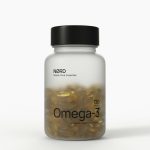
Essential nutrients directly support the microbiota-gut-brain axis by fueling microbiota diversity and neurotransmitter production. **Omega-3 fatty acids**, found in fatty fish like salmon and walnuts, increase beneficial gut bacteria and lower brain disorder risks. Human and animal studies show they enhance gut barrier integrity and reduce neuroinflammation [1] [3] . Aim for 250-500mg EPA/DHA daily through diet or supplements after consulting a healthcare provider. **Prebiotics**, such as galactooligosaccharides in onions and bananas, feed gut bacteria, potentially alleviating depressive symptoms by modulating stress hormones [1] . High-fiber foods like whole grains, nuts, seeds, fruits, and vegetables provide soluble and insoluble fibers that promote microbiota diversity and lower cortisol levels [2] .
**Probiotics and psychobiotics**, live bacteria in yogurt and kefir, improve anxiety and depression symptoms by altering brain activity via the vagus nerve [1] [5] . Polyphenol-rich foods including green tea, cocoa, olive oil, and coffee boost healthy bacteria and cognition [1] . Vitamins like B-group (synthesized by microbiota) and minerals act as cofactors for neurotransmitter synthesis, with deficiencies linked to mood disorders [4] . Proteins supply amino acids like tryptophan for serotonin production, while carbohydrates provide glucose, the brain’s primary energy source using 20-25% of bodily energy [3] . Integrating these nutrients prevents microbiota dysbiosis, a common issue in modern diets high in processed foods.
Recommended Foods and Dietary Patterns
Incorporate fermented foods like yogurt, kefir, sauerkraut, and kimchi daily to introduce lactic acid bacteria that alter brain activity positively [1] . A sample meal: breakfast kefir with berries and chia seeds for prebiotics and omega-3s. Polyphenol sources such as dark chocolate (70% cocoa) and extra-virgin olive oil in salads enhance microbiota and cognitive function [1] [2] . The Mediterranean diet, rich in these elements, stands out for mental health, reducing depression symptoms through soluble fiber and omega-3s [2] .
High-fiber intake (25-30g daily) from oats, legumes, and vegetables supports energy homeostasis and mood via microbiota pathways [2] [4] . Gradually increase fiber to avoid bloating: start with 5g extra weekly, pairing with hydration. Avoid sugars and processed foods that harm microbiota. Real-world example: Studies on prebiotic supplementation showed reduced stress in humans, mirroring benefits in depression management [1] . Personalized approaches considering individual microbiota yield best results [2] .
Practical Steps to Implement Gut-Brain Nutrition
Step 1: Assess your diet-track intake for a week using a journal or app, noting fiber, fermented foods, and omega-3 sources. Step 2: Build microbiota diversity-add one fermented food and 5g fiber daily, rotating varieties like kombucha or miso. Step 3: Prioritize omega-3s-eat fatty fish twice weekly or plant sources like flaxseeds ground for absorption. Step 4: Include polyphenols-sip green tea mornings and use olive oil in cooking. Step 5: Monitor progress-note mood, energy, and digestion after 4 weeks; consult a dietitian for personalization [1] .
Challenges like digestive discomfort arise with sudden changes; solution: introduce slowly and chew thoroughly. Alternatives for vegans: algae-based omega-3s and tempeh for probiotics. For those with IBS, focus on low-FODMAP prebiotics initially under guidance. Case study: Patients adopting Mediterranean principles saw microbiota improvements and depression symptom reduction, highlighting diet’s role in mental health integration [2] [5] . Combine with lifestyle factors like exercise for amplified effects.
Potential Benefits and Scientific Evidence
Optimizing nutrition for the gut-brain axis may reduce stress, anxiety, and depressive symptoms while enhancing cognition. Probiotics as psychobiotics show promise in clinical trials, with prebiotics mitigating depression via hormone modulation [1] . Gut microbiota influences addiction, mood, and food intake, with diet as a key modulator [2] . In cognitive impairment, microbiota composition correlates with brain activity [4] . Long-term, this supports prevention of mental disorders through whole-diet interventions [4] . Evidence from animal models to humans underscores dietary potential, though individual variability exists-personalized nutrition is ideal.
References
[1] Healthline (2023). The Gut-Brain Connection: How it Works and The Role of Nutrition. [2] Wise Mind Nutrition. Pathways of the Gut-Brain Axis. [3] Frontiers in Nutrition (2024). Gut microbiota, nutrition, and mental health. [4] PMC (2021). Diet and the Microbiota-Gut-Brain Axis: Sowing the Seeds of Good Mental Health. [5] Cureus. The Gut-Brain Axis and Mental Health: How Diet Shapes Our Cognitive and Emotional Well-Being.

Photo by sundaraprakash r on Unsplash