Longevity Science and Healthy Aging Strategies: Unlocking a Longer, Healthier Life
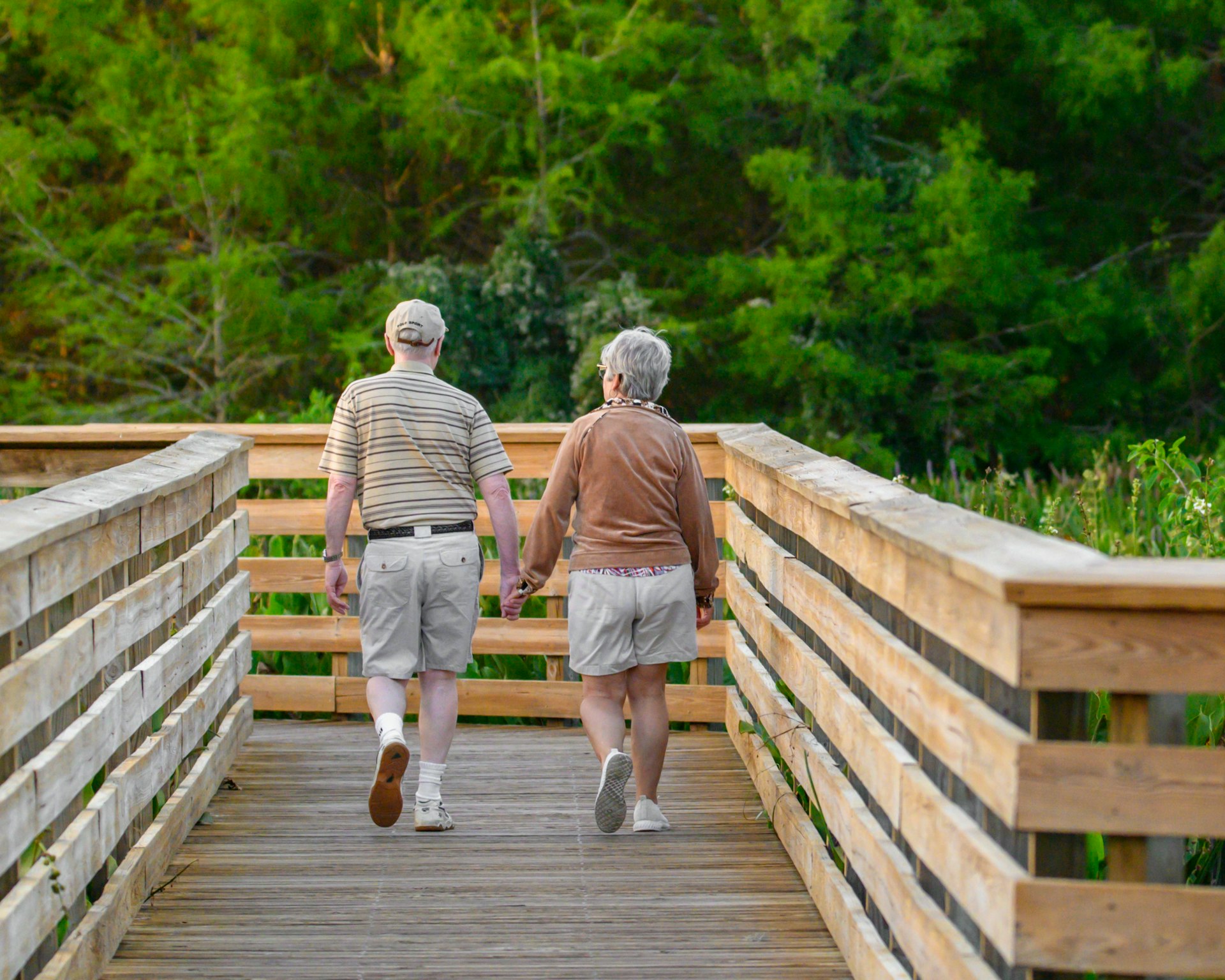

Photo by Richard Sagredo on Unsplash
Introduction to Longevity Science
Longevity science has evolved from theoretical research to clinical breakthroughs, focusing on extending healthspan-the years lived in optimal health-rather than just lifespan. According to the 2026 GESDA Science Breakthrough Radar, this field is accelerating due to molecular diagnostics and targeted drugs that address aging’s hallmarks, such as senescent cells and mitochondrial dysfunction. [1] Researchers now aim to modulate aging itself, potentially delaying chronic diseases like cancer, diabetes, and cardiovascular disorders. This shift challenges the inevitability of frailty, introducing concepts like biological age measured by biomarkers, which could redefine societal roles for older adults.

Photo by Valentin Balan on Unsplash
Key institutions like École Polytechnique Fédérale de Lausanne (EPFL) in Switzerland’s ‘Longevity Valley’ drive this progress through centers like the Center for Experimental and Translational Longevity Research (CERL), emphasizing cellular prevention over mere cures. [1] Events such as ARDD 2026 highlight targeting root causes like genome instability while quantifying biological age for clinical testing. [4] These developments make healthy aging strategies accessible today.
Validated Insights from Blue Zones
Blue Zones-regions like Sardinia (Italy), Okinawa (Japan), Ikaria (Greece), and Nicoya Peninsula (Costa Rica)-provide real-world evidence for healthy aging. A 2025 study in
The Gerontologist
confirmed their exceptional longevity through rigorous age-validation using demographic records, showing high survival rates to age 90+ without relying on outliers.
[2]
These areas demonstrate that lifestyle, diet, physical activity, and social connections drive low chronic disease rates, offering replicable strategies.
To adopt Blue Zone principles, start with a plant-based diet rich in beans, greens, and whole grains; engage in natural movement like walking or gardening; prioritize purpose (ikigai in Okinawa); downshift stress through daily routines; and foster family and community ties. For example, Okinawans practice ‘hara hachi bu’-eating until 80% full-which correlates with lower obesity and longer life. Challenges include adapting to modern processed foods; solutions involve gradual meal replacements and community groups. Studies like AFAR’s SuperAgers Family Study further explore these factors by comparing centenarians’ traits. [2]
Emerging Trends in Longevity for 2026
2026 trends emphasize precision tools and therapies. Epigenetic clocks, now affordable via saliva kits, predict healthspan by tracking organ-specific aging like brain or liver function. [3] Precision senolytics selectively clear harmful ‘zombie’ cells, with early data showing lowered epigenetic age. Hyperbaric oxygen therapy (HBOT) improves cognitive function and may reverse aging markers, supported by human trials on telomere length. [3]
Nicotinamide riboside (NR) boosts NAD+ for mitochondrial health, with trials for heart failure and long COVID. Rapamycin, backed by human data, enhances immune function and vaccine efficacy in older adults. [3] To implement, consult physicians for testing; for instance, track biological age quarterly and adjust based on results. Potential challenges like access costs can be mitigated by prioritizing free trends like sleep optimization first. Conferences like Longevity Fest 2026 and Systems Aging GRC offer updates. [5] [8]
Lifestyle Modifications for Healthy Aging
Strong evidence supports environment and behavior: sleep, nutrition, and exercise diverge healthy from unhealthy aging. [1] Augment sleep to slow biological aging-aim for 7-9 hours with consistent schedules. Nutrition focuses on anti-inflammatory foods; exercise includes resistance training to preserve muscle. Social connections from Blue Zones reduce isolation risks.
Step-by-step: 1) Assess baseline with free apps tracking sleep and steps. 2) Set goals like 150 minutes weekly moderate activity. 3) Incorporate intermittent fasting, shown to mimic caloric restriction benefits. Real-world example: Nicoya residents garden daily, combining movement and purpose. Challenges like motivation are overcome by accountability partners. Alternatives include yoga for low-impact options. Research programs at Stanford and WashU fund such studies. [10] [9]
Cellular Reprogramming and Future Directions
Cellular reprogramming reverses age-related changes in vitro, aiding aging mechanism studies. [1] Startups target epigenetic reprogramming, while dark genome research uncovers aging roles. [6] Longevity science reshapes wellness with evidence-based products. [7]
To engage, follow verified research via AFAR (www.afar.org) or apply for grants if eligible. Steps: Monitor updates from GESDA Radar; join communities discussing trials. Challenges include hype; verify with peer-reviewed sources. Outcomes: Compressed morbidity, where illness years shrink, enabling productive later life.
Implementing Your Longevity Plan
Combine strategies: Test biological age, adopt Blue Zone habits, explore clinician-guided therapies. Track progress with journals or apps. Consult healthcare providers before supplements like NR. Public health implications include extended workforce participation. Ongoing research promises more tools, grounded in validated science.
References
[1] GESDA (2026). Radar Spotlight: Longevity Science Crosses the Clinical Threshold. [2] EurekAlert (2025). Scientific validity of blue zones longevity research confirmed. [3] Hone Health (2026). 26 Longevity Trends That Will Define 2026. [4] Aging Pharma (2026). ARDD 2026. [5] A4M (2026). Longevity Fest 2026. [6] WeWillCure (2026). 9 Anti-Aging and Longevity Startups to Watch in 2026. [7] Evolut Agency (2026). How Longevity Science Is Reshaping Beauty & Wellness in 2026. [8] GRC (2026). 2026 Systems Aging Conference. [9] WashU (2026). Longevity Research Program. [10] Stanford Medicine (2026). Apply now: Longevity and Healthy Aging Pilot Award Grants 2026-2027.