How a Sedentary Lifestyle Can Lead to Shortness of Breath-and What You Can Do About It
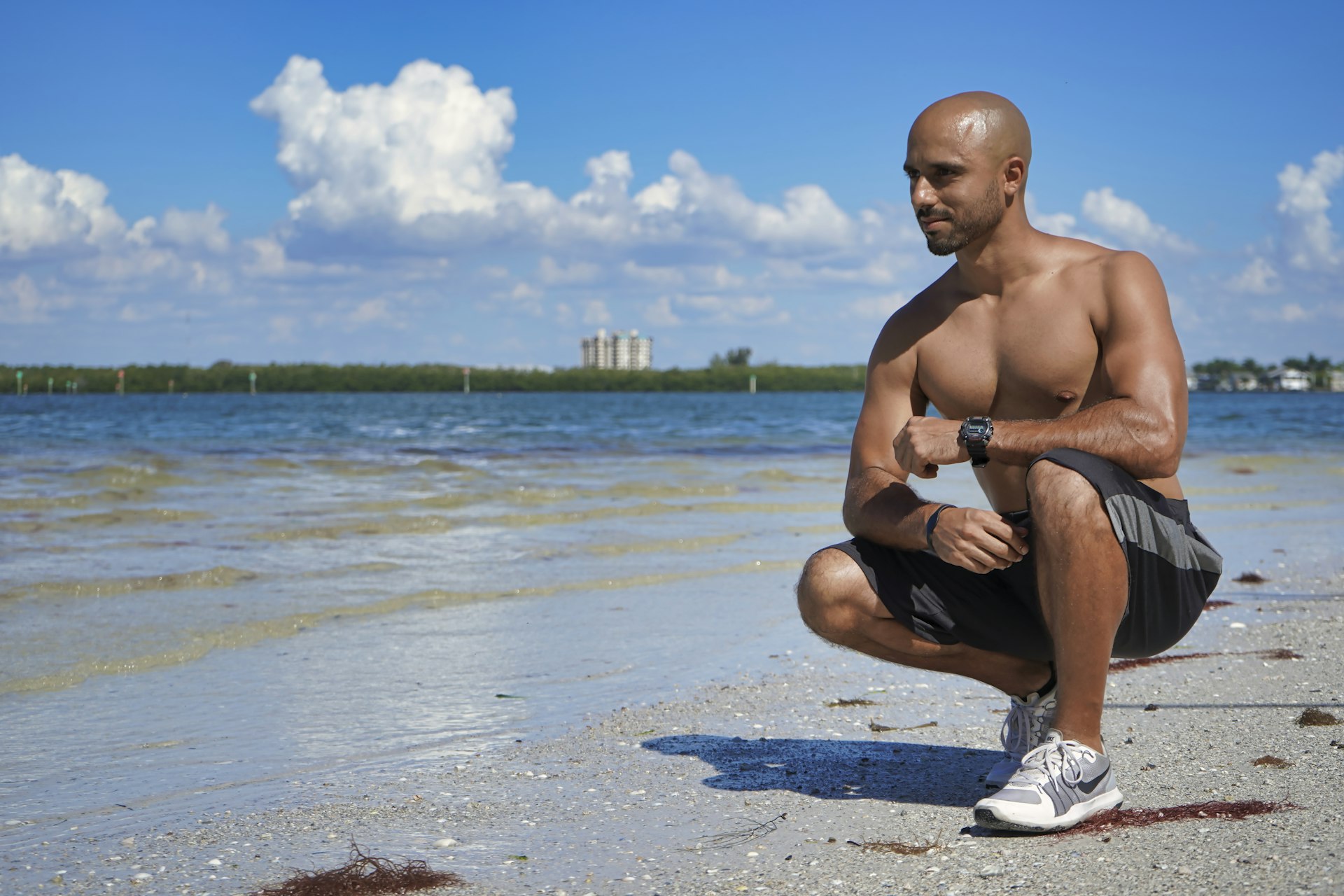

Photo by Photo Genius on Unsplash
Understanding the Link Between Inactivity and Shortness of Breath
Shortness of breath, known medically as dyspnea, is a sensation of not getting enough air or difficulty in breathing. While many associate this symptom with respiratory illnesses, evidence increasingly shows that a sedentary lifestyle can directly contribute to breathlessness-even without underlying disease. This article explores how inactivity affects your body, the mechanisms that cause respiratory discomfort, and practical, actionable steps you can take to improve your breathing and overall health.
How Does a Sedentary Lifestyle Impact Breathing?
Leading a sedentary lifestyle means spending most of your time sitting or lying down with minimal physical activity. Over time, this behavior can have profound effects on the body, especially the respiratory and cardiovascular systems. Recent large-scale studies have found a strong, direct association between sedentary habits and increased breathlessness in middle-aged adults. In fact, physical inactivity is a modifiable risk factor for breathlessness independent of other issues like obesity or underlying lung disease [1] .

Photo by Dias ^ on Unsplash
Key physiological changes include:
- Reduced lung function: Inactivity leads to decreased lung capacity and efficiency, making it harder to take deep breaths and supply enough oxygen during exertion.
- Weaker respiratory muscles: The diaphragm and other breathing muscles weaken without regular use, increasing the effort required for normal breathing [3] .
- Poor cardiovascular conditioning: A lack of activity diminishes heart health, reducing the ability to pump blood efficiently-and thus oxygen-to the body’s tissues [2] .
- Weight gain: Sedentarism often leads to increased body mass, which puts extra strain on the lungs and makes breathing more laborious [1] .
Mechanisms: Why Does Inactivity Cause Breathlessness?
The relationship between inactivity and dyspnea is both direct and indirect. When you become inactive, your body adapts by reducing its ability to perform physical tasks, including breathing efficiently. Studies show that people with sedentary lifestyles are more likely to experience shortness of breath, even with mild activity, because their bodies are deconditioned. This can create a vicious cycle : breathlessness leads to less activity, which then worsens the breathlessness [1] .
Additionally, inactivity contributes to:
- Muscle deconditioning: Both respiratory and skeletal muscles lose strength and endurance.
- Impaired oxygen exchange: Decreased lung efficiency makes it harder to oxygenate the blood, especially during exertion.
- Higher risk of other conditions: Inactivity increases the chance of developing heart disease, obesity, and diabetes, all of which can also cause shortness of breath [3] .
Real-World Examples and Case Studies
Population-based studies of adults aged 50-64 have identified a sedentary lifestyle as a primary risk factor for breathlessness, alongside increased BMI and reduced lung function. These findings hold even after adjusting for other health factors, highlighting inactivity as an independent contributor [1] .
For example, clinical observations have found that individuals who report little to no exercise are significantly more likely to present with unexplained breathlessness. In many cases, after ruling out respiratory or cardiac disease, the root cause is traced back to poor physical conditioning resulting from inactivity [2] . Similarly, older adults with limited mobility often develop respiratory muscle weakness, further compounding their risk [3] .
How to Recognize If Sedentarism Is Affecting Your Breathing
Common signs that your inactivity may be causing or worsening shortness of breath include:
- Getting winded easily during routine activities, such as walking up stairs or doing household chores
- Noticeable decline in exercise tolerance over weeks or months
- Feeling weak or fatigued quickly when physically active
- Absence of diagnosed respiratory or heart disease despite symptoms
If you notice these symptoms and have a predominantly inactive lifestyle, it’s possible your breathlessness is related to deconditioning rather than an underlying medical condition. However, new or worsening shortness of breath should always be evaluated by a healthcare provider to rule out serious causes. Health professionals often assess for lifestyle factors when evaluating unexplained breathlessness [2] .
Practical Steps to Improve Breathing Through Increased Activity
Fortunately, breathlessness due to inactivity is reversible in many cases. Improving your physical conditioning can restore respiratory function and reduce symptoms. Here’s how you can get started:
- Consult Your Healthcare Provider: Before beginning any exercise program, especially if you have other health concerns, consult your primary care physician. They may perform basic tests, such as spirometry, to check your lung function and rule out other causes [1] .
- Begin Slowly: If you are currently inactive, start with low-impact activities like walking, gentle cycling, or water aerobics. Aim for short sessions (5-10 minutes), gradually increasing duration and intensity as your fitness improves.
- Set Achievable Goals: Use a step counter or activity tracker to monitor your progress. Incrementally aim for at least 150 minutes of moderate-intensity activity each week, as recommended by health authorities.
- Incorporate Strength Training: Resistance exercises help strengthen respiratory and skeletal muscles, improving both breathing and mobility. Simple bodyweight exercises or light resistance bands are effective starting points.
- Stay Consistent: Make physical activity a daily routine. Even light movement-such as standing up every hour, stretching, or doing household chores-can counteract the negative effects of prolonged sitting.
- Track Breathing Improvements: Keep a journal of your symptoms and activity levels. Many people notice reduced breathlessness and increased stamina within weeks of regular exercise.
Overcoming Common Challenges
Transitioning from a sedentary lifestyle to an active one can be intimidating, especially if breathlessness has already set in. Common challenges include:
- Lack of motivation: Set realistic, enjoyable goals and consider exercising with a friend or group for accountability.
- Health concerns: If you have chronic conditions, such as arthritis or heart disease, work with a healthcare professional or physical therapist to design a safe, tailored program.
- Time constraints: Break exercise into shorter sessions throughout the day to fit your schedule.
- Fear of worsening symptoms: Start with very gentle activities and listen to your body. If symptoms persist or worsen, seek medical advice promptly.
Alternative Approaches and Additional Support
For those unable to engage in traditional forms of exercise, alternatives include chair-based exercises, specialized pulmonary rehabilitation programs, and yoga or tai chi, which emphasize gentle movement and breath control. Many hospitals and community centers offer group classes for beginners. If you require additional guidance, consider:
- Asking your healthcare provider for a referral to a respiratory therapist or physical therapist.
- Searching for “community exercise programs for beginners” in your area.
- Contacting local health departments for information about free or low-cost fitness classes tailored to older adults or those with chronic conditions.
Summary and Key Takeaways
A sedentary lifestyle is a significant, modifiable factor contributing to shortness of breath, even in otherwise healthy individuals. By gradually increasing physical activity, you can improve your respiratory function, enhance stamina, and break the cycle of deconditioning. Always consult a healthcare professional before starting a new exercise program and monitor your symptoms to ensure safe progress.
If you are experiencing persistent or unexplained shortness of breath, contact your primary care physician for a thorough evaluation. Many communities offer resources and support to help you become more active and regain your breath and vitality.
References
- [1] Respiratory Research (2024). Factors most strongly associated with breathlessness in a general population.
- [2] Saint Joseph Health System (2024). Why You May Have Shortness of Breath and How to Handle It.
- [3] Journal of Gerontology (2014). Respiratory Impairment and Dyspnea and Their Associations With Physical Function and Disability in Older Persons.