
Holistic Approaches to Cardiovascular Health: A Comprehensive Guide to Natural Heart Wellness
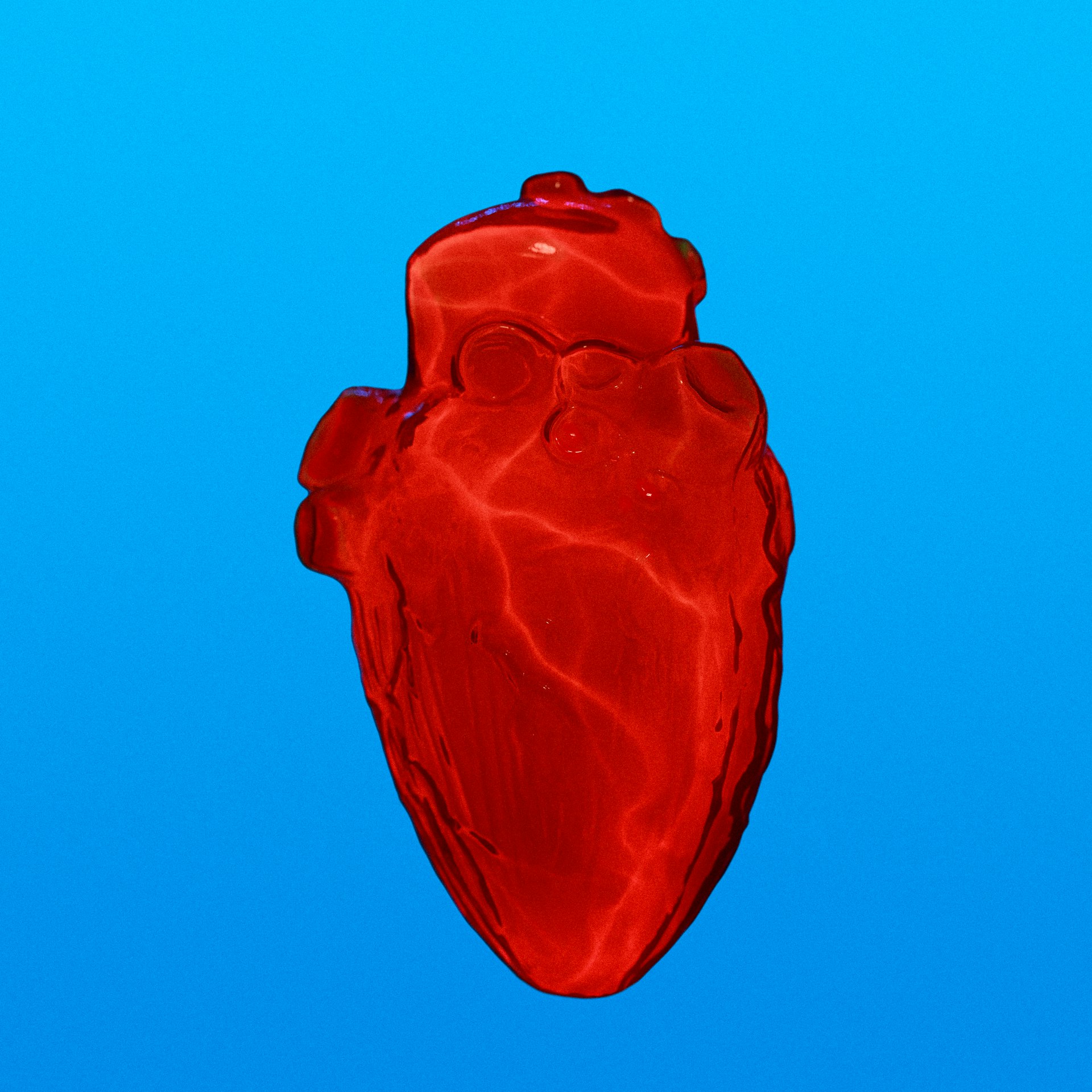

Photo by benjamin lehman on Unsplash
Understanding Holistic Approaches to Cardiovascular Health
Holistic approaches to cardiovascular health emphasize treating the whole person rather than isolated symptoms. This means addressing nutrition, physical activity, stress, sleep, and emotional well-being alongside traditional medical care. Cardiovascular disease remains a leading cause of death, but lifestyle factors play a significant role in prevention and reversal. [1] [3] By integrating these elements, individuals can lower blood pressure, cholesterol, and inflammation while boosting heart function and resilience. Programs like intensive cardiac rehabilitation (ICR) demonstrate measurable benefits, such as a 9% drop in blood pressure and 20% cholesterol reduction in weeks. [1]
A holistic model considers root causes like inflammation, oxidative stress, and metabolic imbalances. For instance, integrative cardiology combines evidence-based therapies with personalized plans targeting genetics, hormones, and environment. This approach has shown promise in managing conditions like hypertension, atrial fibrillation, and heart failure. [2] Starting with a thorough assessment of risk factors-such as diet history, activity levels, and stress-is key. Consult a healthcare provider to tailor strategies, ensuring they complement any prescribed medications.
Nutrition: Fueling Your Heart with Whole Foods
Nutrition forms the foundation of holistic heart health. A diet rich in fiber, antioxidants, and omega-3s helps regulate cholesterol, blood sugar, and inflammation. Whole-food, plant-based eating-emphasizing fruits, vegetables, legumes, whole grains, nuts, and seeds-reduces added sugars and salts while promoting vascular health. [9] Studies support fiber-rich, low-fat meals for maintaining cardiovascular wellness. [7]
To implement this, begin by assessing your current intake. Replace processed foods with home-cooked meals featuring leafy greens, berries, and fatty fish or plant alternatives like flaxseeds. Programs like those at Pritikin-trained centers teach affordable cooking and smart grocery shopping, leading to rapid improvements like 23% LDL reduction in three weeks. [1] Challenges include habit change; overcome them by meal prepping weekly and tracking progress with a journal. Alternatives include Mediterranean-style eating, which balances plants with moderate lean proteins. Personalized nutrition therapy, available at centers like Holistic Vitality, adjusts for individual needs such as omega-3 supplementation. [4]
Real-world example: Participants in ICR programs report sustained weight loss and medication reductions through evidence-based skills. Aim for gradual shifts-add one new vegetable daily-to build sustainability. Key takeaway: Consistent, nutrient-dense eating supports heart muscle strength and reduces disease risk over time.
Physical Activity: Building Heart Strength Through Movement
Regular movement strengthens the heart as a muscle, improves circulation, and aids metabolic health. Holistic plans prioritize enjoyable activities over intense workouts. Daily walking, stretching, yoga, or light resistance training enhances blood flow without strain. [3] Intensive programs prescribe progressive exercise, monitored for safety post-heart events. [1]
Start with 30 minutes daily: Walk briskly, cycle, or dance. Build to include strength training twice weekly to regulate blood sugar and support vessels. For beginners, partner with a professional for personalized plans, as in cardiac rehab where nurses oversee progress. Common challenges like joint pain can be addressed with low-impact options like swimming or tai chi. Alternatives include group classes for motivation.
In practice, ICR participants regain stamina faster, returning to normal activities sooner. Track heart rate and energy levels to adjust intensity. Franciscan Health advocates simple changes like consistent activity for prevention. [6] Summary: Movement accumulates benefits, fostering resilience and reducing reliance on medications.
Stress Management and Mindfulness: Calming the Mind for Heart Health
Chronic stress elevates heart rate and blood pressure, straining the cardiovascular system. Holistic approaches use breathwork, meditation, and mindfulness to activate the parasympathetic response. These reduce anxiety and improve psychological well-being, as seen in American College of Cardiology statements linking mental health to heart outcomes. [5]
Practice daily: Spend 10 minutes on deep breathing or guided meditation apps. Yoga and prayer support cultural values and family connections. [6] In ICR, mindset experts teach relationship improvement and stress tools. Challenges like time scarcity? Integrate micro-practices, like pauses during work. Alternatives: Journaling or nature walks. Evidence shows lower mortality in rehab participants using these. [1]
Example: Patients report better sleep and emotional balance, aiding heart recovery. Prioritize 7-9 hours nightly with routines free of screens. Connection via community groups boosts outcomes. Takeaway: Mind-body practices directly lower physiological risks.
Integrative Therapies: Acupuncture, Herbs, and Beyond
Complementary therapies like acupuncture enhance circulation, reduce stress, and balance energy. Studies indicate improved cardiac function and cholesterol regulation. [4] Herbs such as garlic or hawthorn support heart health traditionally, best used under guidance. [8]
To incorporate: Seek licensed practitioners for acupuncture sessions weekly initially. For herbs, consult a naturopath to avoid interactions. Holistic centers offer bundled services with dietitians. [2] Challenges: Accessibility-search local naturopathic clinics or integrative cardiologists. Alternatives: Self-massage or essential oils like lavender for calm.
Case: Long COVID patients benefit from targeted plans addressing inflammation. [2] Verify with blood tests pre- and post-therapy. Key: These amplify lifestyle changes for optimal results.
Implementing a Personalized Holistic Plan
Create your plan: Assess risks via doctor visit, set goals like 150 minutes weekly activity. Track via apps or journals. Join programs like ICR (up to 72 Medicare-covered sessions) for structure. [1] Monitor blood pressure weekly; adjust as needed. For support, contact integrative centers or local cardiac rehab-search ‘intensive cardiac rehabilitation near me’ or consult your physician for referrals.
Sustainability tip: Build community for accountability. Potential hurdles like motivation? Pair with enjoyable activities. Equity matters-lifestyle interventions work across backgrounds when accessible. [7] Reassess quarterly. This comprehensive strategy empowers lasting heart health.

Photo by Marek Studzinski on Unsplash
References
[1] Froedtert & MCW Health Network (n.d.). Intensive Cardiac Rehabilitation: A Holistic Approach to Heart Health. [2] Holistic Heart Centers (n.d.). Integrative Cardiovascular Health Care. [3] Evergreen Naturopathic (n.d.). A Holistic Approach to Heart Health. [4] Holistic Vitality Center (n.d.). How Holistic Therapies Can Improve Cardiovascular Health. [5] American College of Cardiology (2022). Nutrition to Promote Good Mental Health, Prevent Heart Disease. [6] Franciscan Health (n.d.). Holistic Heart Disease Prevention. [7] PMC (n.d.). Cardiovascular Wellness-The Role of Lifestyle and Health Equity. [8] Cardiac Care PC (n.d.). Herbs Can Save Your Heart, But Which Ones? [9] University of Arizona Sarver Heart Center (n.d.). 10 Things You Can Do Today to Prevent/Reverse Heart Disease.