
Essential Women's Health Considerations in Sports Training
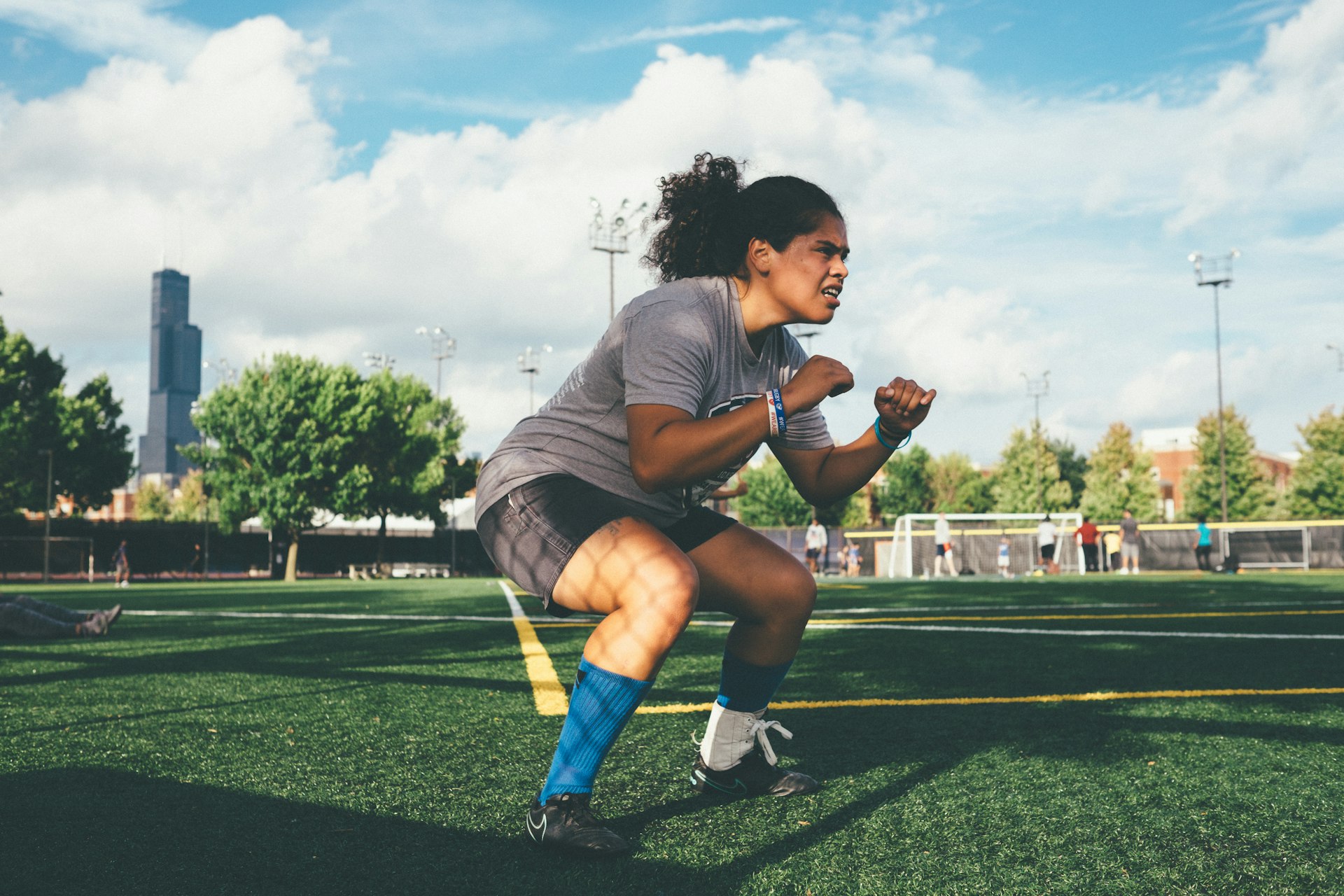

Photo by Mar Bocatcat on Unsplash
Understanding Women’s Health in Sports Training
Female athletes encounter distinct physiological challenges that require tailored training approaches to optimize performance and minimize injury risks. These include hormonal fluctuations, higher susceptibility to certain injuries like ACL tears and bone stress injuries, and conditions such as the Female Athlete Triad or Relative Energy Deficiency in Sport (RED-S). Addressing these factors through customized programs can significantly improve outcomes.
[1]
For instance, team physicians emphasize understanding anatomic, biomechanical, and physiologic differences to design effective injury prevention strategies.
[1]
Training modifications based on these considerations promote not only immediate performance gains but also long-term health. Women typically have higher body fat percentages (around 26% versus 14% in men), less lean muscle mass, and physiological traits like smaller hearts and lungs, which influence oxygen consumption and endurance.
[2]
Coaches and athletes who adapt programs accordingly see better results, as evidenced by research showing strength training yields comparable or superior sport-specific improvements in females.
[1]
Menstrual Cycle and Training Adaptations
The menstrual cycle profoundly affects training capacity, with hormonal shifts influencing energy, recovery, and injury risk. During the late follicular phase, rising estrogen often brings increased confidence, energy, and optimized high-intensity performance, alongside better recovery and visual-spatial awareness.
[3]
Athletes may capitalize on this by scheduling intense sessions.
In contrast, the mid-late luteal phase, dominated by progesterone peaks, can cause gastrointestinal issues, clumsiness, reduced confidence, appetite changes, and elevated body temperature, impairing thermal regulation during exercise.
[3]
The late luteal or pre-menstrual phase exacerbates symptoms like fatigue, headaches, breast pain, and illness susceptibility, particularly under stress or poor sleep.
[3]
To adapt, athletes should track cycles using apps and adjust loads: prioritize recovery in luteal phases, reduce high-impact work pre-menstrually, and monitor balance/injury patterns. Coaches can foster psychologically safe environments for open health discussions, modifying programs collaboratively. For example, some continue training to manage cramps, while others incorporate yoga or lighter activities.
[3]
Challenges include irregular cycles from low energy availability; solutions involve screening for eating disorders and ensuring 8-10 hours of adolescent sleep for cycle health.
[3]
Injury Prevention Strategies for Female Athletes
Females face elevated risks for ACL tears, patellofemoral pain, bone stress injuries, concussions, and stress urinary incontinence (SUI), which is three times more common in non-childbearing athletes and linked to RED-S.
[1]
[3]
Prevention programs targeting neuromuscular and biomechanical factors-such as landing/cutting drills (box drops), hip/core strengthening (single-leg squats)-reduce these when started pre-season and integrated as warmups.
[1]
Step-by-step implementation: 1) Screen for risks like poor landing mechanics; 2) Initiate plyometrics pre-puberty for neural gains, adding strength post-puberty per NSCA guidelines; 3) Progress resistance training to boost bone density; 4) Monitor cycles for injury-prone phases. Real-world example: Programs like Sportsmetrics emphasize evidence-based protocols for ACL prevention.
[4]
Challenges like underutilized strength training are overcome by early intervention, yielding larger performance gains in girls.
[1]
Alternatives include cross-training to avoid overuse.
The Female Athlete Triad and RED-S Management
Low energy availability, menstrual dysfunction, and poor bone health form the Female Athlete Triad, stemming from under-fueling relative to exercise demands, impacting reproductive, bone, and cardiovascular systems.
[2]
[4]
RED-S extends this to broader performance impairments. Treatment prioritizes weight restoration, menses recovery, and bone health via multidisciplinary teams: physicians, dietitians, psychologists. Avoid birth control alone, as it masks issues without restoring natural cycles; opt for rest/modified training based on risk.
[2]
Practical steps: 1) Assess energy intake vs. expenditure; 2) Increase calories strategically; 3) Coordinate care for underlying eating disorders; 4) Track bone stress injuries prompting full evaluations. Case study: Athletes restoring weight via nutrition plans regain menses and reduce fracture risks. Alternatives: Progressive resistance for density gains.
[1]
Sleep (8-10 hours) aids recovery.
[3]
Strength, Conditioning, and Performance Optimization
Strength and conditioning (S&C) enhances performance and cuts injury risk, with females gaining significantly from pre-pubertal programs building muscle mass before adolescent plateaus.
[1]
Meta-analyses show similar strength/jump gains to males, but superior sport-specific improvements. Benefits extend to bone density, fall prevention, glycemic control, osteoarthritis relief, and cardiovascular health.
[1]
Implementation: 1) Pre-puberty plyometrics, post-puberty resistance; 2) Incorporate aerobic (cycling) and anaerobic elements; 3) Tailor to cycle phases. Example: Youth programs yield vertical jump boosts. Challenges like limited female-specific research are addressed by generalizing proven methods. Cross-training, nutrition, and rest maximize outcomes, per initiatives like Sportsmetrics.
[4]
Hormonal Health, Contraceptives, and Pregnancy
Up to 57% of college athletes use combined oral contraceptives (COCs), offering contraception, regulated bleeding, anemia reduction, and dysmenorrhea relief, often outweighing minor performance impacts.
[1]
Individualized counseling is key. During pregnancy, low-impact aerobics and perineal-strengthening sports (e.g., tennis, running) lower episiotomy risks; avoid contact/high-impact activities.
[1]
Steps for hormonal tracking: Log symptoms, consult specialists. For SUI, pelvic floor exercises mitigate risks. Mental resilience is vital; build coping via safe coaching environments.
[5]

Photo by Leonardo Iribe on Unsplash
Building a Supportive Training Ecosystem
Initiatives like USOPC webinars on RED-S and the Sportsmetrics Female Athlete Health Initiative promote education on bone health, sleep, and nutrition.
[6]
[4]
Increase female representation in sports medicine for better care. Athletes should seek multidisciplinary support, track personal data, and advocate for cycle-aware programming to thrive sustainably.
References
- Optimizing Health and Athletic Performance for Women – PMC (2022). Review on female athlete risks, prevention, and performance.
- Unique Considerations for Female Athletes – Scottish Rite for Children. Discusses Triad and physiological differences.
- Supporting the Developing Female Athlete (2021). Menstrual cycle impacts and adaptations.
- Female Athlete Health Initiative – Sportsmetrics. Evidence-based health recommendations.
- Female Athletes: Training and Injury Prevention – Stamford Health. Mental and physical training aspects.
- Women’s Health – USOPC. Webinars and resources on athlete health topics.