
Cameraman for Hire: Compare Rates and Get Clear Quotes
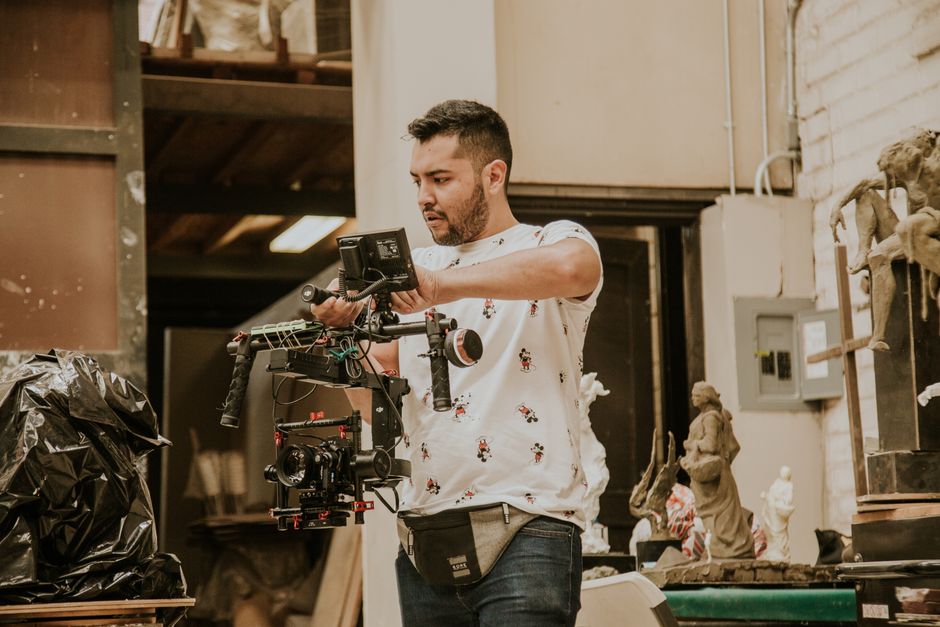
A cameraman for hire may cost $600–$1,800 per day for a camera operator, while a Bay Area provider lists $1,200 for up to four hours and $1,600 for up to nine hours with standard gear. Treat these as reference points, not universal rates: compare crew, equipment, hours, travel, overtime, editing, and deliverables line by line.
How much should you pay a cameraman for a half-day or full-day shoot?
For a camera operator, CrewGrid lists a U.S. day-rate range of $600–$1,800; for a director of photography (DP), it lists $750–$2,500 per day. These are reference ranges for corporate and brand-video crew, not guaranteed local quotes, and vary by role, experience, client type, and market.
For a concrete half-day and full-day comparison, Bay Area provider LarsonMedia lists $1,200 for up to four hours and $1,600 for up to nine hours. Its listed production service includes standard camera, audio, and lighting gear, with additional equipment potentially costing extra. The price is specific to that provider and market, not a national rate card.
Use the employee wage data as context, not as a freelance calculator. The Bureau of Labor Statistics reports a $74,990 median annual wage for television, video, and film camera operators in May 2025, but its wage data exclude self-employed workers. The BLS also reports that 35% of camera operators were self-employed in 2025, so employee wages cannot be directly converted into a freelance shoot-day price.
For budgeting, first choose the role and hours, then check what the rate includes. A short booking is not automatically half the cost of a full day: LarsonMedia’s half-day rate is $1,200 against $1,600 for a full day, and its half-day pricing is intended for lighter, streamlined productions.
Where can I find a reliable cameraman for hire near me?
Find a cameraman for hire by checking local freelance and production-provider listings, then compare evidence of work that matches your brief. The available sources do not identify specific directories or recommend particular local marketplaces, so use location-based searches and provider referrals as ways to build a shortlist rather than as proof of reliability.
Review portfolio samples for the work you actually need: interviews, events, product footage, or another format. Ask who performed the relevant camera, sound, and lighting work, what equipment and crew were used, and whether the sample reflects the kind of setup you are booking. A polished result alone does not establish what is included in a new quote.
The BLS notes that videographers often run their own businesses or freelance, and may submit bids, write contracts, and obtain permission to film at locations that are not open to the public. That makes written scope and location access practical parts of the booking—not details to leave until shoot day.
Send every finalist the same brief. Ask for a quote that names the crew roles, gear, shoot hours, travel, overtime, editing, and deliverables. If a provider responds with a single number, reply: “Could you separate labor, equipment, travel, and post-production, and confirm the hours covered?”
What affects the cost of hiring a cameraman?
The main cost drivers are the role, experience, market, production requirements, equipment, hours, travel, and post-production. CrewGrid’s ranges differ for camera operators and DPs, and it notes that rates vary by role, experience, client type, and market. A higher-priced quote may include a broader role or package; the line items show whether it does.
Gear can materially change the total. CrewGrid lists example add-on ranges of $300–$700 per day for a cinema camera package, $150–$400 for a basic lighting kit, and $100–$300 for an audio package. Ask whether each item is included, separately rented, or unnecessary for your brief. “Camera included” is too vague to settle the equipment question.
Post-production also needs its own line. LarsonMedia lists editing at $115 per hour or $850 per day separately from filming. Ask what the edit includes—such as the number and format of finished files—rather than assuming a shoot-day fee covers finished video.
Use this comparison table to normalize quotes before you choose. Prices below are published examples; where a source does not provide a matching detail, it is marked “not published.”
| Option | Who it suits | Cost | Key limitation |
|---|---|---|---|
| Camera operator day rate (CrewGrid) | Corporate and brand-video production needing a camera operator | $600–$1,800 per day | Gear is often itemized separately; exact included hours depend on market and agreement |
| DP day rate (CrewGrid) | Production requiring a DP role | $750–$2,500 per day | Gear is often itemized separately; exact included hours depend on market and agreement |
| Half-day production (LarsonMedia) | Lighter, streamlined Bay Area production | $1,200 for up to four hours, standard gear included | May not apply to extensive equipment or a full production setup |
| Full-day production (LarsonMedia) | Bay Area production requiring up to nine hours | $1,600, standard gear included | Additional equipment may cost extra |
Does a cameraman’s day rate include camera gear, lighting, and sound?
Sometimes, but a day rate does not guarantee that camera gear, lighting, and sound are included. CrewGrid says gear is often itemized separately and makes the distinction explicit: ask whether the quote is labor-only or includes gear. LarsonMedia, by contrast, lists a standard camera, audio, and lighting package in its production rate, with extra equipment potentially charged separately.
Request an itemized package, not a yes-or-no answer. Have the provider name the camera package, audio equipment, lighting kit, and any crew member responsible for operating them. Then ask whether rentals, setup, and transport are included in the stated price; the sources do not publish a universal rule for those details.
Set the scope in a consistent sequence: crew first, equipment second, hours third, post-production fourth. This makes it easier to distinguish a higher labor rate from a quote that simply bundles more gear or services. It also exposes an incomplete estimate before you commit.
Before booking, confirm the scheduled hours and overtime clause. CrewGrid says U.S. corporate and brand-video crew days commonly cover up to 10 hours, sometimes eight depending on market and agreement. SAG-AFTRA’s theatrical day-performer rules calculate overtime from first call to dismissal, excluding meal periods, with time-and-a-half for the ninth and tenth hours and double time beyond ten under the listed terms. Those are specific agreement rules, not default freelance terms; write the applicable arrangement into your contract.
Frequently Asked Questions
Should I hire a solo freelance cameraman or a full production crew?
Choose a solo operator when the brief can be covered by one person and a streamlined camera, audio, and lighting setup. Add crew roles when the production needs separate camera operation, cinematography, sound, lighting, or other support; ask the provider to itemize each role so you can compare the cost with the work required.
What should I include in a brief when requesting a cameraman quote?
State the shoot location, date, expected call and wrap times, footage or scenes needed, and whether you need one operator or additional crew. Ask the quote to list camera, audio, and lighting gear, travel, overtime terms, editing, and final deliverables as separate line items or clearly included items.
How do I compare quotes when one cameraman includes equipment and another charges separately?
Convert both quotes into the same scope: labor, camera package, lighting, audio, travel, hours, overtime, editing, and deliverables. CrewGrid lists example equipment add-ons separately, while LarsonMedia’s listed rates include standard gear, so compare the complete package rather than the headline day rate.
What overtime, travel, cancellation, and usage terms should I confirm before booking?
Get the applicable overtime trigger and rate, travel time, mileage, lodging, cancellation terms, and usage rights in writing. SAG-AFTRA publishes specific overtime and travel rules for covered performer agreements, but those terms are not universal freelance rules; confirm the clause that applies to your booking.
Sources
Read next
How Can I Build a Graphic Design Portfolio for an Internship With Only Student Projects?
Build a credible graphic design internship portfolio from class and self-initiated projects with clear process, attribution, and project selection.

Should I Take an Unpaid Graphic Design Internship?
How graphic design students can judge unpaid internships by training, workload, portfolio value, and paid-work prospects.

How Do I Start Courier Work With My Own Car?
Compare courier pay against every mile, vehicle expense, insurance cost, and tax before accepting a route.
How to Find Freelance Videographers Who Fit Your Project
Find freelance videographers by comparing relevant work, availability, and itemized quotes against one clear project brief.