
Simple, Joyful Gratitude Practices to Strengthen Family Bonds
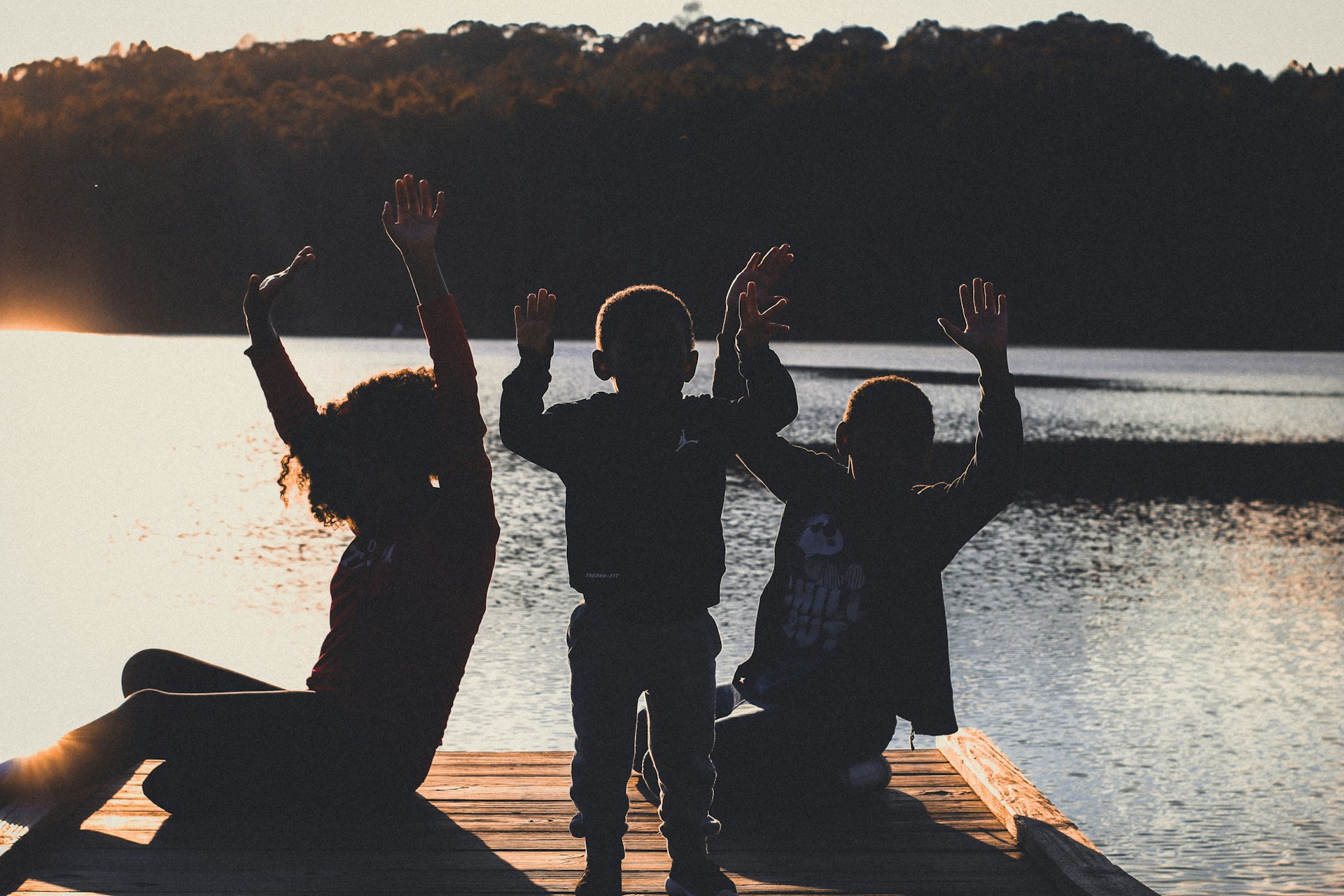

Photo by Janay Peters on Unsplash
In today’s fast-paced world, it’s easy for families to get caught up in the chaos of school deadlines, work meetings, and household chores, often missing small moments of joy and connection. Cultivating gratitude as a family isn’t just about saying “thank you”-it’s about building a shared mindset that focuses on the positive, strengthens emotional bonds, and teaches children valuable life skills about empathy and appreciation. Several practical, easy-to-integrate practices can become beloved family traditions, fitting seamlessly into daily or weekly routines.
Morning Gratitude Circle
Start the day on a positive note with a 5-minute morning circle. Gather everyone around the kitchen table before breakfast or as you’re getting ready for school and work. Each family member takes a turn sharing one thing they’re grateful for-this could be something small, like the smell of fresh coffee, a favorite sweater, or a friend they’re excited to see that day. For younger kids, it might help to give prompts, such as “What’s one thing that made you smile yesterday?” or “What’s something you’re looking forward to today?” This practice sets a tone of positivity for the rest of the day and helps everyone feel heard right from the start. Over time, it can also help kids learn to articulate their feelings and recognize the good in their daily lives. Even on busy mornings, taking just a few minutes for this circle can make a noticeable difference in how the family interacts throughout the day, reducing tension and fostering a sense of unity.

Photo by Hello Revival on Unsplash
The Family Gratitude Jar
Set up a decorative jar in a common area of the house, like the living room or kitchen, along with a stack of small paper slips and pens. Encourage every family member to write down moments of gratitude throughout the week-this could be a kind act from a sibling, a sunny day that made the afternoon walk better, or a delicious meal someone cooked. At the end of each week, gather together to read the notes aloud. This ritual not only highlights the many small joys that might otherwise go unnoticed but also creates a tangible record of happy memories that the family can revisit during challenging times. For example, a note from a child saying “I’m grateful for when Dad helped me build my Lego castle” can remind everyone of the special time they spent together, fostering warmth and connection. As the jar fills up over months, it becomes a visual reminder of the abundance of good in the family’s life, which can be especially comforting during periods of stress or uncertainty.
Handwritten Thank-You Note Exchange
Take the time to teach kids the value of handwritten notes by organizing a family thank-you exchange. Once a month, each family member picks another member’s name out of a hat and writes a note explaining why they’re grateful for them. The notes should be specific-instead of “Thanks for being nice,” try “I’m grateful for how you stayed up with me to finish my science project when I was stressed.” Encourage creativity: kids can draw pictures to accompany their notes, while adults might add a favorite memory. Exchange the notes during a family dinner or a quiet evening together. This practice helps each person feel seen and appreciated for their unique contributions to the family, and it’s a skill that kids can carry into their adult lives, strengthening their relationships with friends, teachers, and colleagues. In a world dominated by digital communication, handwritten notes stand out as a thoughtful, personal gesture that can make someone’s day.
Gratitude Walks in Nature
Combine physical activity with gratitude by taking a weekly family walk in a local park, trail, or even around the neighborhood. As you walk, encourage each family member to point out something in nature they’re grateful for-this could be a vibrant flower, the sound of birds chirping, a cool breeze, or a tree that provides shade. Use this time to talk about why these things matter: for example, a child might say they’re grateful for the oak tree because it’s a great spot to climb, while a parent might mention being grateful for the fresh air that helps them feel calm. This practice not only promotes gratitude but also encourages family members to slow down and appreciate the world around them. It’s also a great way to disconnect from screens and spend quality time together without distractions. For families living in urban areas, even a walk around the block can reveal small wonders, like a community garden or a street art mural that brings joy.
Gratitude-Focused Service Projects
Teach kids that gratitude extends beyond their immediate family by engaging in a monthly service project. This could be something simple, like making cookies for an elderly neighbor, volunteering at a local food bank, or picking up trash in the community. After the project, gather together to talk about how it made them feel and why they’re grateful for the opportunity to help others. For example, volunteering at a food bank might help kids realize how lucky they are to have a full pantry, while helping a neighbor might teach them the value of kindness and community. This practice fosters empathy and helps family members understand that gratitude is not just about receiving but also about giving back. It can also be a great way to meet new people in the community and build connections outside the family unit.
Evening Reflection Ritual
Wind down the day with a short reflection ritual before bed. Each family member shares one small thing they’re grateful for that happened that day-this could be a good grade on a test, a hug from a sibling, or a favorite snack. For younger kids, it might help to use a stuffed animal as a “gratitude buddy” that they can talk to if they’re shy. This practice helps everyone process the day’s events and focus on the positive before going to sleep, which can improve sleep quality and reduce anxiety. It also gives parents a chance to check in with their kids and learn more about their daily lives, strengthening their bond. On days when things don’t go as planned, this ritual can help the family find something positive to hold onto, fostering resilience and optimism.
Integrating these gratitude practices into your family’s routine doesn’t have to be overwhelming. Start with one or two practices that fit your lifestyle, and gradually add more as they become habits. The key is to be consistent and intentional-even 5 minutes a day can make a big difference in how your family connects and feels about each other. Over time, these practices will become beloved traditions that create lasting memories and help your family thrive. As you explore these practices, you may find that they spark new ideas for other ways to cultivate gratitude, tailored to your family’s unique interests and needs.