
Navigating the Complex Relationship Between Oral Microbiome Health and Mouthwash Use
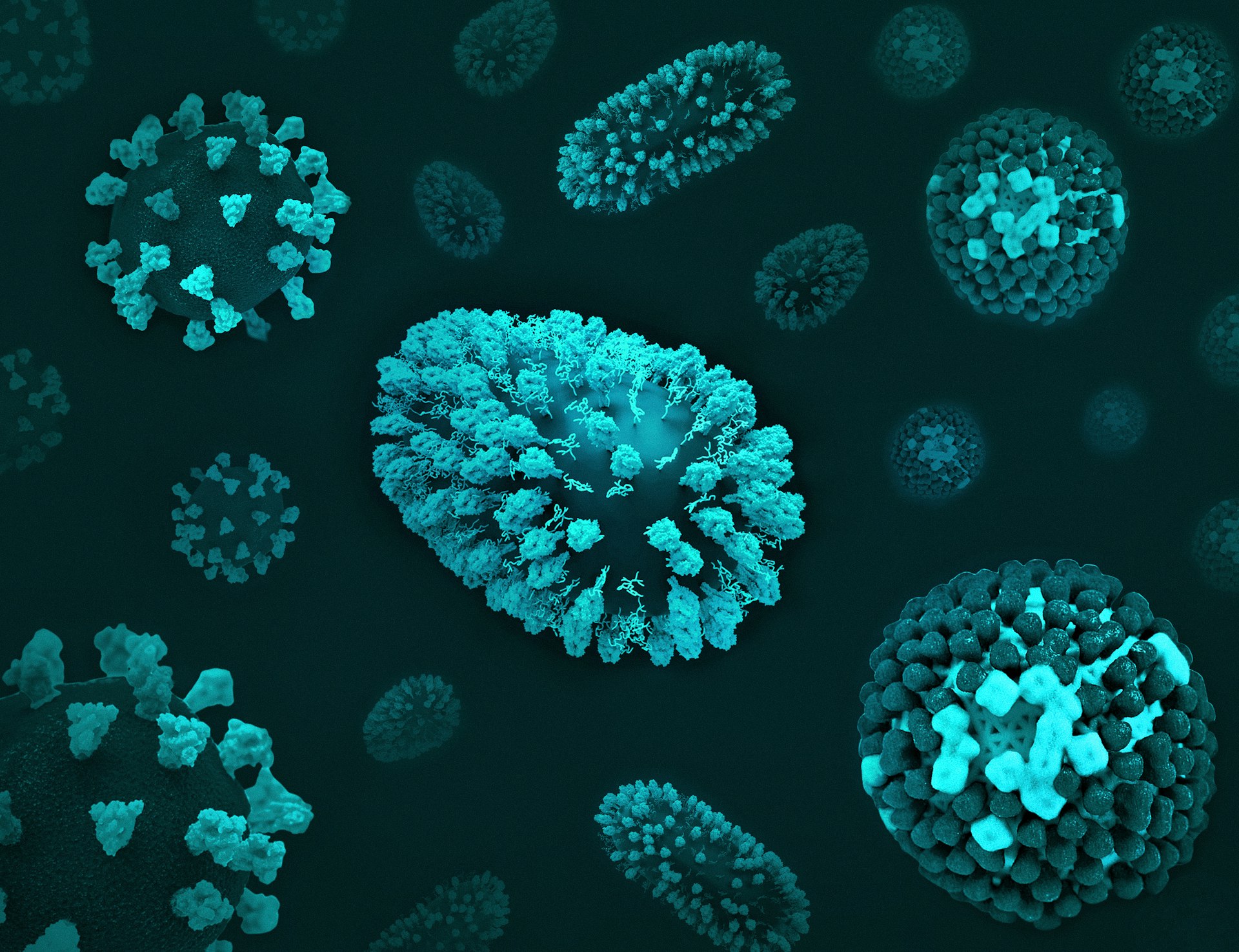

Photo by National Institute of Allergy and Infectious Diseases on Unsplash
Understanding the Oral Microbiome
The oral cavity is home to one of the most diverse microbial communities in the human body, housing over 700 species of bacteria, fungi, and viruses. These microorganisms form a complex ecosystem that plays critical roles in maintaining oral health: they help break down food particles, produce essential nutrients like vitamin K, and protect against harmful pathogens that can cause cavities, gum disease, and bad breath. When this balance is disrupted-a state known as dysbiosis-it can lead to a range of oral health issues, and even potentially impact systemic health, including conditions like cardiovascular disease, diabetes, and respiratory infections.
Beneficial bacteria in the mouth, such as Streptococcus salivarius and Lactobacillus species, act as a natural defense system. Streptococcus salivarius produces bacteriocins, compounds that inhibit the growth of harmful pathogens like Streptococcus mutans, which is the primary cause of dental caries. Lactobacillus species help maintain a slightly acidic environment in the mouth that prevents the overgrowth of fungi like Candida albicans, which can cause oral thrush.
The Traditional Role of Mouthwash in Oral Care
For generations, mouthwash has been marketed as a quick fix for bad breath and a supplementary tool to brushing and flossing. Most over-the-counter mouthwashes contain active ingredients like chlorhexidine, alcohol, or essential oils, which are designed to kill bacteria. Many people use them daily, believing that reducing the number of bacteria in the mouth automatically translates to better oral health. Dentists have often recommended mouthwash as part of a comprehensive care routine, particularly for patients with gum disease or those recovering from dental procedures like extractions or root canals.
Alcohol-based mouthwashes, in particular, have been popular for their ability to kill bacteria quickly and leave a fresh, clean feeling in the mouth. However, these products can also cause dry mouth, which can further disrupt the oral microbiome by reducing the production of saliva-a natural defense that helps wash away food particles and maintain a healthy microbial balance.
The Emergence of Controversy
In recent years, however, researchers have begun to question the long-term effects of regular mouthwash use on the oral microbiome. Several studies have raised concerns that these products may not just target harmful bacteria but also eliminate the beneficial ones that are crucial for maintaining a healthy oral ecosystem. For example, a 2019 study published in the Journal of Dental Research found that daily use of an alcohol-based mouthwash reduced the levels of Streptococcus salivarius by up to 90% within a week, leaving the mouth more vulnerable to infection by harmful pathogens.
Another area of concern is the impact of mouthwash on gum health. Some research suggests that killing off beneficial bacteria can disrupt the natural barrier that protects the gums, making them more susceptible to inflammation and infection. A 2021 study in the Journal of Periodontology found that participants who used mouthwash twice daily for six months had a 25% higher risk of developing gingivitis compared to those who did not use mouthwash, possibly due to the disruption of the microbiome and the resulting increase in harmful bacteria that cause gum disease.
Beyond oral health, there are also potential links to systemic health. The oral microbiome is connected to the gut microbiome via the digestive tract, and changes in the oral microbiome can influence the composition of the gut microbiome. Some studies have suggested that regular mouthwash use may be associated with an increased risk of type 2 diabetes, as the loss of beneficial bacteria can affect insulin sensitivity. A 2020 study published in the European Journal of Clinical Nutrition found that people who used mouthwash daily had a 30% higher risk of developing type 2 diabetes over a 10-year period compared to those who did not use mouthwash. However, more research is needed to confirm these links and understand the underlying mechanisms.
Balancing Benefits and Risks
It’s important to note that not all mouthwashes are created equal, and the controversy does not mean that mouthwash should be entirely avoided. For people with specific oral health conditions, like severe gum disease or oral thrush, a prescription-strength mouthwash may be necessary to control harmful bacteria and prevent further complications. However, for most people with healthy oral health, the risks of daily mouthwash use may outweigh the benefits.
Dentists now often recommend a more nuanced approach to oral care, focusing on supporting the oral microbiome rather than simply killing bacteria. This includes using gentle, non-alcoholic mouthwashes that contain prebiotics or probiotics to promote the growth of beneficial bacteria. Prebiotics are fibers that feed beneficial bacteria, while probiotics are live beneficial bacteria that can help restore the balance of the microbiome. Some natural mouthwashes, like those containing tea tree oil or xylitol, may also have less impact on the microbiome while still providing some benefits for oral health.

Photo by Ozkan Guner on Unsplash
In addition to choosing the right mouthwash, maintaining a balanced diet that supports microbial health is also important. Foods like yogurt, kefir, and fermented vegetables contain probiotics that can help support the oral microbiome, while foods high in sugar and processed carbohydrates can feed harmful bacteria and disrupt the balance of the ecosystem.
Future Directions in Oral Health Research
As research into the oral microbiome continues to evolve, it’s likely that our understanding of mouthwash and its impact will become more refined. Future studies may focus on developing personalized oral care products that target specific harmful bacteria without disrupting the beneficial ones, as well as exploring the links between the oral microbiome and systemic health in greater detail. For example, researchers are currently investigating how changes in the oral microbiome can influence the risk of cardiovascular disease by contributing to the formation of plaque in the arteries.
Another area of research is the development of microbiome-friendly mouthwashes that use targeted antimicrobial agents to kill only harmful bacteria, while leaving beneficial bacteria intact. These products may use phages-viruses that infect and kill specific bacteria-or bacteriocins produced by beneficial bacteria to target harmful pathogens without disrupting the overall balance of the microbiome.
For now, the key takeaway is that oral health is a complex interplay between bacteria, diet, and lifestyle, and there is no one-size-fits-all approach to care. By understanding the role of the oral microbiome and making informed choices about oral care products, people can take steps to maintain a healthy oral ecosystem and support their overall well-being.