How Continuous Health Tracking Transforms Chronic Condition Management


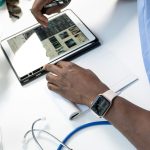
Photo by Vitaly Gariev on Unsplash
For decades, healthcare has relied on in-person visits as the primary way to monitor patient health, but this model often falls short for those managing chronic illnesses like diabetes, hypertension, or heart disease. These conditions require ongoing tracking of vital signs, medication adherence, and lifestyle factors-data points that can change rapidly between scheduled appointments. As a result, many patients face avoidable hospitalizations or progressive health decline simply because their care team lacks real-time information about their daily health status.
The Evolution of At-Home Health Tracking
Early forms of at-home monitoring were limited to basic devices like blood pressure cuffs or glucose meters, which required patients to manually record results and bring them to their next clinic visit. This process was prone to human error, as patients might forget to log readings or misreport values. Over time, technological advancements have transformed these tools into connected systems that automatically transmit data to healthcare providers, eliminating the need for manual input and ensuring that care teams have access to up-to-date information.
Today’s systems leverage wireless connectivity, Bluetooth, and cloud storage to create seamless data pipelines. A patient using a connected glucose meter, for example, can take a reading in the morning, and the data is instantly sent to their provider’s electronic health record (EHR) system. This allows clinicians to spot trends-like a consistent rise in blood sugar levels after meals-and adjust treatment plans before a minor issue becomes a major health crisis.
Core Components of Modern Monitoring Systems
Modern monitoring systems are made up of three key components: patient-facing devices, data transmission infrastructure, and provider-facing analytics tools. Patient devices range from wearable sensors that track heart rate and activity levels to specialized tools for monitoring respiratory function or wound healing. These devices are designed to be user-friendly, with simple interfaces and long battery life to encourage consistent use.
Data transmission infrastructure relies on secure cloud platforms to store and process patient data. These platforms use encryption to protect sensitive health information, ensuring compliance with regulations like the Health Insurance Portability and Accountability Act (HIPAA) in the United States. Once data is stored, provider-facing tools analyze the information to generate actionable insights. For example, an analytics platform might flag a patient’s sudden drop in heart rate or increase in blood pressure, sending an alert to their care team so they can reach out promptly.
Impact on Chronic Disease Management
The most significant impact of these systems is on chronic disease management. For patients with hypertension, continuous blood pressure monitoring can help providers identify patterns that might be missed during occasional office visits-like spikes in pressure during work hours or overnight drops that indicate a need for medication adjustment. A 2022 study published in the Journal of the American Medical Association (JAMA) found that patients using remote monitoring for hypertension had a 20% lower risk of stroke compared to those receiving standard care.
For individuals with heart failure, remote monitoring of weight, fluid intake, and heart rhythm can help prevent hospital readmissions. Heart failure patients often experience fluid buildup, which can lead to shortness of breath and other serious symptoms. By tracking daily weight and sending alerts when a sudden increase is detected, care teams can adjust diuretic doses and provide guidance to reduce fluid retention before it requires emergency care.
Challenges and Considerations for Adoption
Despite the benefits, there are several challenges to widespread adoption of these systems. One of the biggest barriers is access to technology, particularly for low-income or elderly patients who may not have reliable internet access or be comfortable using digital devices. Healthcare providers also face challenges in integrating monitoring data into their existing EHR systems, which are often not designed to handle real-time, continuous data streams.
Another consideration is patient privacy. While cloud platforms use encryption to protect data, there is always a risk of data breaches. Patients must feel confident that their health information is secure to be willing to use these systems. Additionally, some patients may feel overwhelmed by the constant monitoring, leading to anxiety or burnout. Care teams must work with patients to set clear boundaries and ensure that monitoring is tailored to their specific needs and preferences.
Future Directions in Patient-Centered Care
As technology continues to advance, the future of remote monitoring looks promising. Artificial intelligence (AI) and machine learning are being integrated into analytics tools to predict health events before they occur. For example, an AI algorithm might analyze a patient’s glucose levels, activity data, and medication adherence to predict when they are at risk of a hypoglycemic episode, allowing their care team to intervene proactively.

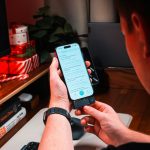
Photo by Vitaly Gariev on Unsplash
Wearable devices are also becoming more sophisticated, with the ability to track a wider range of health metrics, including blood oxygen levels, sleep quality, and even early signs of chronic conditions like osteoporosis. These devices are becoming smaller and more discreet, making them easier for patients to wear daily without disrupting their lives.
Ultimately, the goal of these systems is to shift healthcare from a reactive model to a proactive, patient-centered one. By giving patients more control over their health and providing care teams with the data they need to deliver personalized support, remote monitoring has the potential to improve health outcomes, reduce healthcare costs, and enhance the overall quality of care for millions of people around the world.