
Navigating the Dynamics of Shared Home Life Across Generations
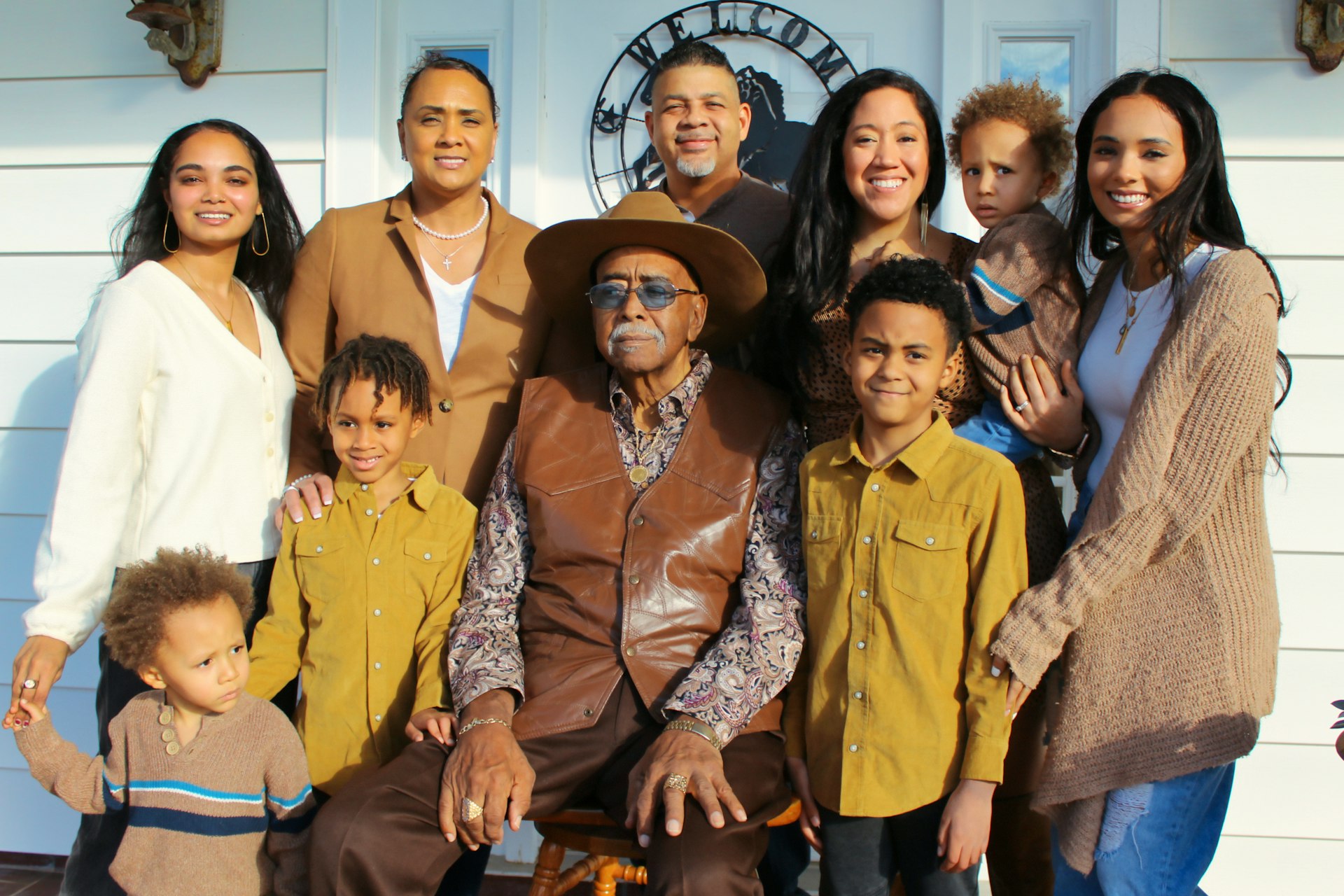

Photo by Rajiv Perera on Unsplash
The Multifaceted World of Shared Intergenerational Homes
Across cultures and continents, households where grandparents, parents, and children live together have long been a staple of family life, though their prevalence has shifted in recent decades. In some regions, this arrangement is rooted in centuries-old traditions, where extended family units are considered the foundation of social structure. In others, it’s a practical response to economic pressures-rising housing costs, stagnant wages, or the high price of elder care-changing social norms, or a deliberate desire to strengthen family ties. Regardless of the motivation, these living spaces offer a window into how different age groups can learn from one another, support each other, and grow together in ways that nuclear households often cannot.
Key Benefits of Intergenerational Cohabitation
One of the most immediate advantages is the mutual support system that emerges. For working parents, having grandparents on hand can provide flexible, trusted childcare, eliminating the stress of finding and paying for external care providers and allowing for more work-life balance. Grandparents, in turn, gain regular interaction with their grandchildren, which has been linked to improved mental health, reduced feelings of isolation, and a renewed sense of purpose. Financial benefits also play a significant role: splitting housing costs, utilities, and grocery bills can ease the burden on all members, especially in urban areas with skyrocketing living expenses. Additionally, intergenerational homes often serve as repositories of cultural heritage, as older members pass down knowledge, recipes, storytelling traditions, and even craft skills to younger generations that might otherwise be lost to time. Younger family members, meanwhile, can introduce older relatives to new technologies, social trends, and fresh perspectives, keeping them engaged with the world around them.
Navigating Common Challenges
Despite these benefits, multigenerational living is not without its hurdles. Privacy is a frequent and valid concern: younger adults may crave personal space to study, work remotely, or pursue their hobbies, while older family members might feel their quiet routines are disrupted by the noise and activity of children or teens. Differing parenting styles can also lead to tension-grandparents may have more traditional approaches to discipline or child-rearing that clash with the modern, child-centered methods used by parents. Communication gaps, often stemming from generational differences in technology use or social values, can further complicate matters; for example, a teen’s reliance on social media might be seen as excessive by a grandparent who grew up without digital tools. Financial disagreements, such as how to split recurring expenses or handle unexpected costs like home repairs or medical bills, are another common source of conflict if not addressed early on. Health needs can also create friction: older adults may require accessible spaces or quiet hours for rest, while teens might keep late nights that disrupt household routines.
Practical Strategies for Harmonious Living
Open and honest communication is the foundation of a successful multigenerational household. Setting clear boundaries from the start-such as designated quiet hours, private spaces for each family unit (like a separate bedroom or home office), and guidelines for sharing household chores-can prevent misunderstandings before they arise. Regular family meetings, held once a week or every other week, provide a structured space to discuss concerns, adjust rules, and celebrate small wins, like a child’s recent achievement or a successful home repair project. It’s also important to respect individual differences: taking the time to learn about each other’s preferences, whether it’s dietary restrictions, leisure activities, or sleep schedules, can foster empathy and mutual respect. For example, a teen might offer to teach their grandparents how to use a video call app to connect with distant relatives, while grandparents could share their expertise in gardening or cooking with younger family members. These small acts of collaboration help build a sense of unity and shared purpose. Creating a shared calendar for chores, family events, and appointments can also keep everyone on the same page, reducing confusion and missed responsibilities. When it comes to finances, establishing a joint household budget with clear contributions from each family unit can help avoid disagreements; this budget should include allocations for regular expenses, emergency funds, and shared activities like family outings.

Photo by The Unmistakables on Unsplash
Real-World Insights and Adaptations
Studies from family research organizations highlight that households with clear, agreed-upon rules tend to report higher levels of satisfaction. A 2022 survey by the Pew Research Center found that 60% of multigenerational households in the United States reported strong family bonds, compared to 45% of non-multigenerational households. However, the same survey noted that 35% of respondents cited privacy issues as a major challenge, underscoring the importance of proactive planning. In countries like India, where multigenerational living is more common, many families use flexible living spaces-such as separate wings or apartments within a larger home-to balance togetherness and privacy. These adaptations allow each family unit to have their own living area while still being able to gather for meals or family events. In Japan, some modern homes are designed with “granny flats” or separate living quarters for older relatives, incorporating accessible features like grab bars and low-step entryways to support mobility needs. These examples show that with creativity and intentionality, multigenerational homes can be adapted to meet the needs of every family member.
As societal structures continue to evolve, multigenerational living is likely to remain a viable and meaningful option for many families. Whether driven by necessity or choice, these arrangements offer a unique opportunity to build stronger family connections, share resources, and create lasting memories. By approaching the setup with empathy, open communication, and a willingness to adapt, families can turn their shared home into a place where every generation feels supported, valued, and connected to one another. The lessons learned from these living arrangements-about patience, understanding, and the importance of community-can extend beyond the home, enriching the lives of everyone involved for years to come.