
Safe At-Home Relief for Abscesses: Steps, Risks, and Professional Guidance
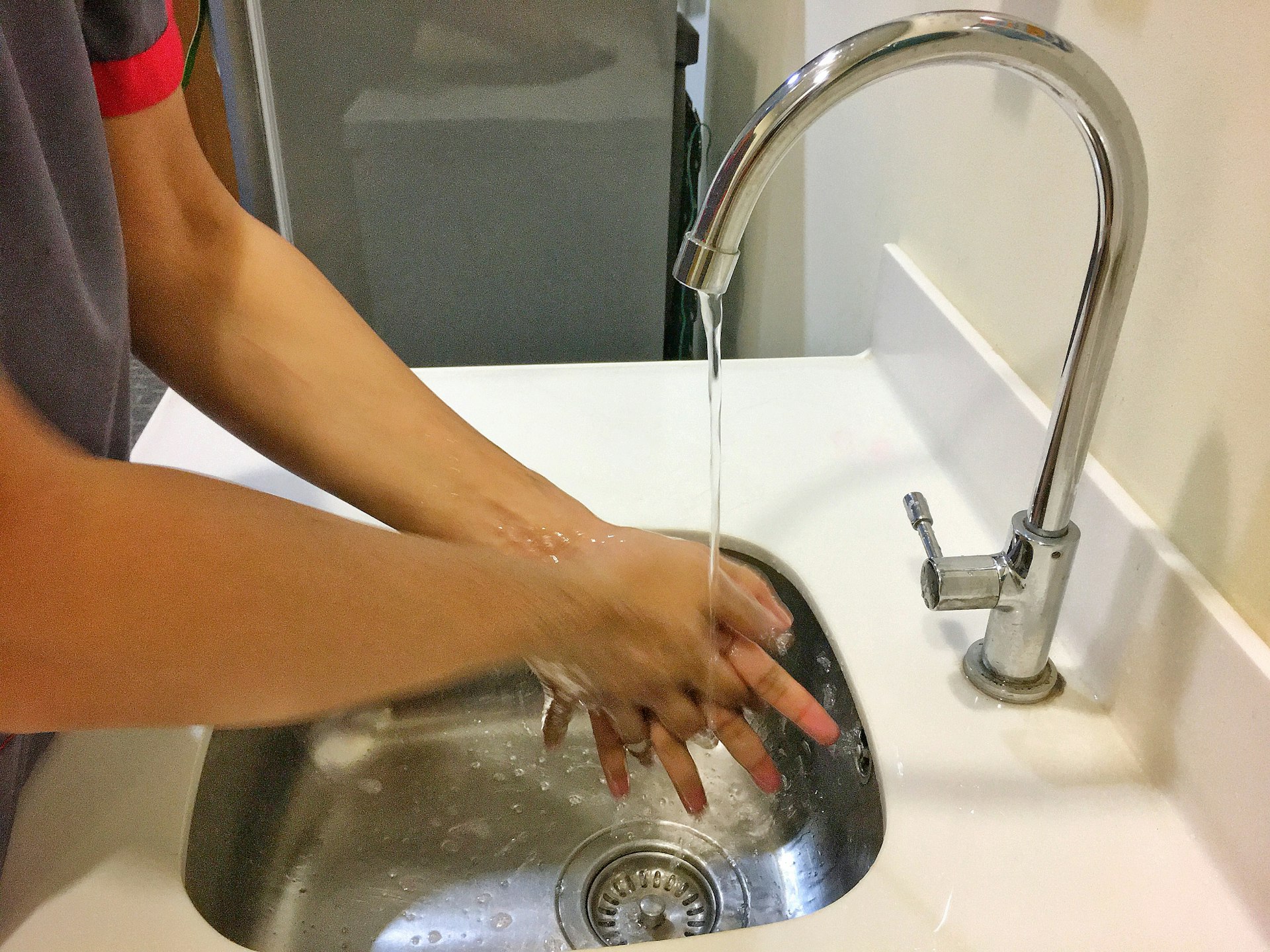

Photo by Kristine Wook on Unsplash
Understanding Abscesses and Home Management
An abscess is a localized collection of pus caused by infection, commonly appearing as a swollen, painful lump under the skin, gums, or around a tooth. Abscesses can occur anywhere in the body, but skin and dental abscesses are most common. Home management may provide temporary relief for small, uncomplicated abscesses. However, it is vital to understand the risks and to know when to seek professional care. Improper handling can worsen infection or lead to serious complications [1] .
Key Principles for Home Abscess Relief
Before considering any home remedy, it is essential to recognize that
professional medical or dental treatment is the only reliable way to fully treat an abscess
. Home steps may provide short-term relief but are not substitutes for expert care. Untreated or poorly managed abscesses can result in spreading infection, tissue destruction, or systemic illness
[2]
.
Recognizing When to Seek Immediate Care
Always contact a healthcare provider or dentist immediately if you experience:
- High fever, chills, or feeling generally unwell
- Rapidly spreading redness or swelling
- Difficulty breathing or swallowing
- Severe pain or if the abscess does not improve with home care
These symptoms may indicate a spreading infection or a medical emergency [1] .
Step-by-Step Guidance for Temporary Relief at Home
1. Warm Compresses
Applying a warm compress is the most recommended first step for encouraging an abscess to drain naturally. Soak a clean washcloth in warm (not hot) water, wring it out, and hold it over the affected area for 15-20 minutes. Repeat this process up to four times daily. The warmth can help soften the skin and bring the pus closer to the surface, easing discomfort and possibly prompting natural drainage [1] .
2. Gentle Pressure (When Pus Is Visible)
If you see pus at the surface (a yellow or white head), you may
gently apply pressure
around the abscess with clean hands to encourage drainage. Never squeeze forcefully or use sharp objects. If pus does not drain easily, stop and seek professional help. Always wash your hands thoroughly before and after, and clean the area with mild soap and water
[1]
.
3. Specialized Dressings
After drainage, cover the area with a sterile bandage or a hydrocolloid patch if available. These dressings promote healing and protect the area from bacteria. Change the dressing as needed, and monitor for signs of worsening infection [1] .
4. Salt Water Rinse for Gum Abscesses
For dental or gum abscesses, rinse your mouth with a warm salt water solution. Dissolve one teaspoon of salt in a cup of warm water and swish around the affected area for 30 seconds, several times daily. This can help reduce bacteria and soothe inflamed tissues [2] . This is not a cure but may provide temporary relief until you see a dentist.
5. Additional Comfort Measures
Some individuals try fenugreek tea compresses or garlic paste (crushed garlic mixed with baking soda) applied carefully to the skin or gum. These have natural antibacterial properties, but scientific evidence is limited. Use caution, as they can irritate tissue [2] . Always discontinue if burning or worsening pain occurs.
6. Over-the-Counter Pain Relief
Non-prescription pain relievers such as acetaminophen or ibuprofen can help manage discomfort. Follow package instructions and consult a healthcare provider if you have underlying health conditions or are taking other medications [3] .
What Not to Do When Managing Abscesses at Home
There are several critical mistakes to avoid when attempting home care:

Photo by Kelly Mora on Unsplash
- Never use needles or sharp objects to puncture an abscess-this increases the risk of deeper infection and scarring [1] .
- Do not cover with ointments or oils -these can trap bacteria and delay healing.
- Do not ignore persistent or worsening symptoms -delaying professional evaluation can result in serious health risks.
- Do not attempt to drain multiple abscesses at once -this can be painful and dangerous.
Example Case: Managing a Small Skin Abscess at Home
A 35-year-old develops a small, red, painful lump on his thigh. He applies warm compresses four times daily, keeps the area clean, and covers it with a sterile dressing. After two days, a small amount of pus appears at the head, which drains with gentle pressure. He continues local care, avoids squeezing, and changes the dressing daily. He monitors for fever, swelling, or spreading redness. After three days, the pain subsides and healing begins. If symptoms had worsened or persisted, he would have visited a healthcare provider [1] .
Potential Challenges and Alternative Approaches
Home management is suitable only for small, uncomplicated abscesses in healthy individuals. For dental abscesses, the risk of spreading infection is higher, and urgent dental care is usually required. If you cannot access a dentist immediately, continue salt water rinses, maintain oral hygiene, and use over-the-counter pain relief. For skin abscesses that do not come to a head or drain within a few days, seek medical help.
Alternative approaches such as cold compresses (to reduce swelling) and herbal remedies may offer comfort but are not substitutes for drainage or antibiotics when needed [3] .
How to Find Professional Medical or Dental Care
If your abscess does not improve or you develop concerning symptoms, you should:
- Contact your primary care provider or dentist directly
- For dental abscesses, search for emergency dental clinics in your area by using terms such as “emergency dentist near me” or contacting your local dental society
- For urgent care, go to the nearest urgent care center or emergency room for rapid assessment
- If you are unsure where to go, you can call your local health department or search for local healthcare providers using official directories
In the United States, you may search for healthcare providers using your insurance provider’s website or call a nurse advice line if available.
Key Takeaways and Safety Reminders
While small abscesses may be managed temporarily at home with proper care, professional evaluation is always the safest and most effective solution . Home remedies should never replace timely medical or dental attention for persistent, worsening, or severe abscesses. Always prioritize your health and seek expert help when in doubt.