
The Transformative Health Impacts of Reducing Alcohol Consumption
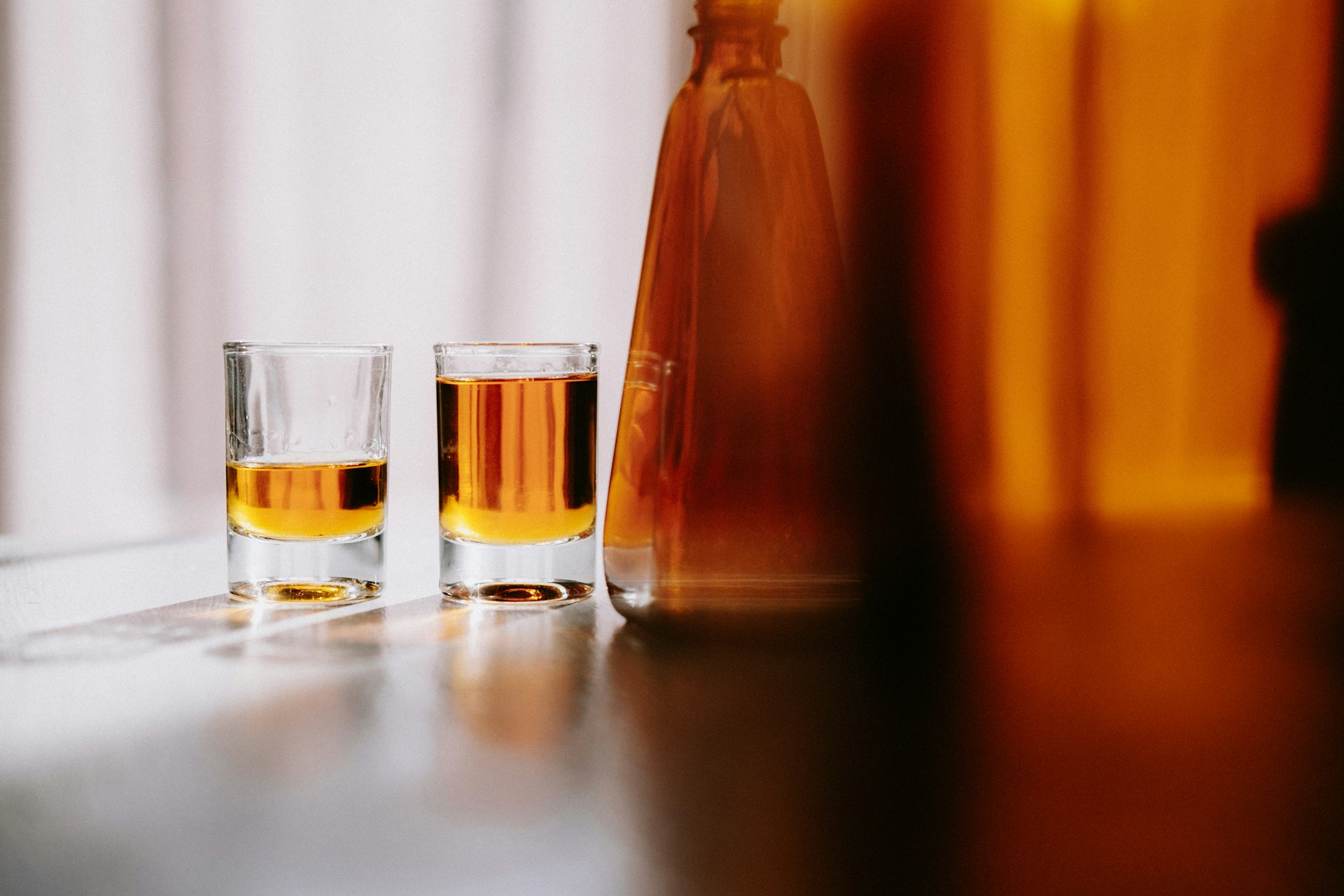

Photo by Mathias Reding on Unsplash
Introduction to Alcohol Reduction and Health
Reducing alcohol intake, even for a short period, triggers a cascade of positive changes in the body. Research shows benefits starting as early as one day after cutting back, including better hydration and energy levels. [1] Over weeks and months, improvements extend to liver function, cardiovascular health, mental well-being, and reduced disease risk. This article explores these impacts based on scientific studies, providing a timeline of changes, real-world examples, and actionable steps to implement reductions safely and effectively.
While complete abstinence often yields the broadest gains, even moderate reductions can enhance physical and mental health over time. [2] For instance, long-term studies link lower consumption to fewer injuries, hospitalizations, and mortality risks. Understanding these effects empowers individuals to make informed choices for better health outcomes.
Short-Term Benefits: First Days and Weeks
Within 24 hours of stopping alcohol, the body begins to rehydrate as alcohol’s diuretic effect fades. This improves digestion, brain function, and energy, since water absorption occurs rapidly compared to alcohol processing. [1] Dehydration from frequent urination resolves, reducing fatigue and headaches common in drinkers.
By one week, mood and sleep quality enhance noticeably. Alcohol disrupts REM sleep cycles, but abstinence restores deeper rest, leading to better concentration and emotional stability. Light to moderate drinkers see brain function improvements in days, while heavier users may take a month. [1] Gut health also rebounds; irritation causing bloating, indigestion, and diarrhea eases within four weeks as stomach lining heals.

Photo by Saurabh Anand on Unsplash
A real-world example comes from Dry January participants, who report weight loss and better insulin sensitivity after 31 days without alcohol. Empty calories from drinks contribute to fat gain, and quitting curbs overeating triggered by alcohol’s hunger signals. [3] Skin appears healthier too, reversing dehydration-induced aging signs like wrinkles.
To achieve these: Track intake with a journal or app, replace drinks with water or herbal tea, and aim for one alcohol-free day weekly initially. Challenges like social pressure can be met by preparing non-alcoholic alternatives. If cravings arise, deep breathing or short walks help; consult a doctor for personalized advice if dependent.
Medium-Term Gains: One to Six Months
After one month, insulin resistance drops by 25%, stabilizing blood sugar and reducing diabetes risk. Blood pressure falls 6%, lowering stroke and heart disease chances. [1] Cancer-related growth factors decline, cutting overall risk-even light drinkers see a 4% drop after quitting, per a study of over 4 million adults. [1]
Liver repair accelerates; mild damage from moderate drinking reverses in weeks, fully by six months. Heavy drinkers gain infection resistance and overall vitality. [1] Cardiovascular benefits include normalized blood pressure-reducing from 3-6 daily drinks by 67% lowered systolic pressure by 3 points. [2]
Mental health improves markedly. For those with alcohol use disorder, reductions alleviate depression and anxiety, boosting self-esteem. [2] Women quitting moderate drinking show greater mental well-being gains than lifetime abstainers, approaching their levels in 2-3 years. [5] Enhanced sleep, clarity, and mood follow, as seen in month-long breaks improving complexion and reducing stress. [4]
Implementation steps: Set limits like two drinks maximum weekly, using tools from organizations like Drinkaware. Monitor progress with blood pressure checks at home or pharmacies. Address challenges like withdrawal by tapering gradually under medical supervision. Alternatives include support groups; search for local chapters via health services.
Long-Term Health Transformations
Over years, reductions prevent chronic issues. Hospitalizations drop-abstinent individuals have 18-43% lower rates. [2] Heart disease, liver cirrhosis, and cancers (breast, colorectal, liver) risks plummet with sustained lower intake. [3] Nonalcoholic fatty liver disease progression slows, aiding obesity management.
Quality of life rises; fewer injuries (30% weekly reduction linked to 44% fewer sick days) and better social functioning emerge, especially with abstinence for heavy drinkers. [2] Gut benefits include normalized nutrient absorption, reducing heartburn and ulcers. [6]
Case study: In a 16-year follow-up, treatment leading to reductions saved $1000 per patient annually in hospital costs. [2] Muscle strength, flexibility, and memory improve, enhancing daily function.
Steps for longevity: Adopt Mediterranean-style eating, exercise 150 minutes weekly, and track via annual checkups. Overcome plateaus by varying routines or seeking counseling. For heavy use, professional detox ensures safety.
Practical Strategies and Considerations
Start small: Alternate drinks with water, choose low-alcohol options, or designate sober days. Hydrate extra during transitions to amplify benefits. Healthier eating naturally follows, curbing takeout urges. [3]
Potential hurdles include social settings-host alcohol-free events or inform friends. For dependence, contact healthcare providers or hotlines like SAMHSA’s (search ‘SAMHSA alcohol help’ for resources). Track via apps monitoring mood and sleep.
Women may see faster mental gains; all benefit from immune boosts and erectile function improvements in men via better blood pressure. [1] Combine with exercise for muscle and heart gains.
Key Takeaways
Alcohol reduction delivers measurable health wins: rapid hydration and sleep fixes, then liver and heart protection, culminating in disease risk cuts. Abstinence maximizes benefits, but any cut counts. Consult professionals for tailored plans, especially with heavy use.
References
[1] UNSW Newsroom (2025). Timeline of health benefits from alcohol abstinence. [2] Recovery Answers. Extensive review of health benefits from reducing or quitting drinking. [3] UT Southwestern Medical Center. Dry January health benefits. [4] Columbia Psychiatry. Benefits of cutting back on alcohol. [5] NIH PMC (2019). Change in moderate alcohol consumption and quality of life. [6] Drinkaware. The benefits of drinking less.